Search

Hongke's latest articles

HongKe

Lorem ipsum dolor sit amet, consectetur adipiscing elit. Ut elit tellus, luctus nec ullamcorper mattis, pulvinar dapibus leo.

Lorem ipsum dolor sit amet, consectetur adipiscing elit. Ut elit tellus, luctus nec ullamcorper mattis, pulvinar dapibus leo.

HONGKE Solution] BMS Communication Upgrade Solution: HONGKE 10BASE-T1S Gateway, Realizing CAN and Ethernet Convergence

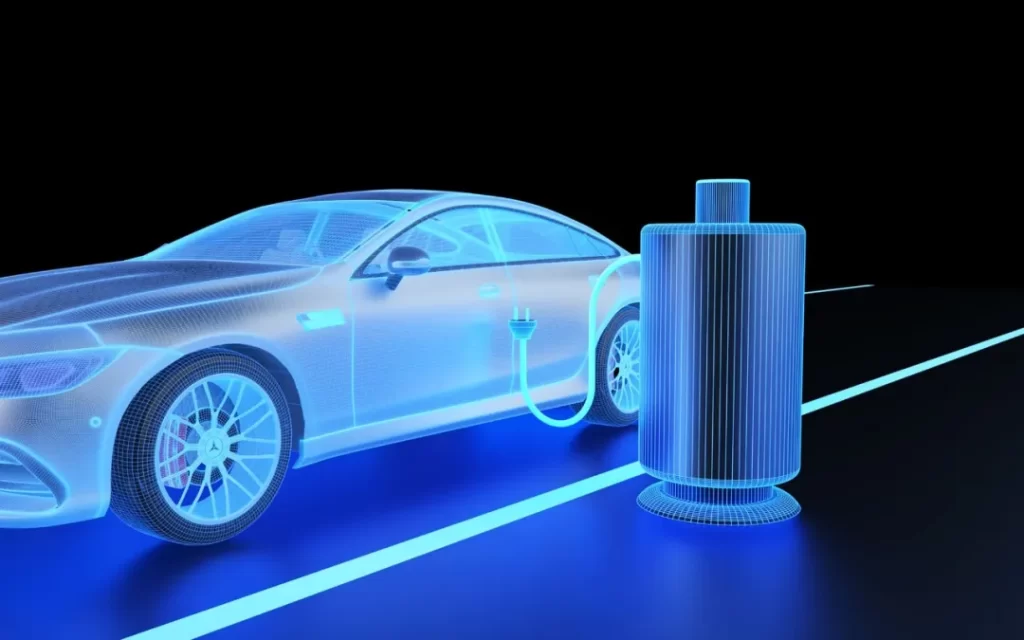
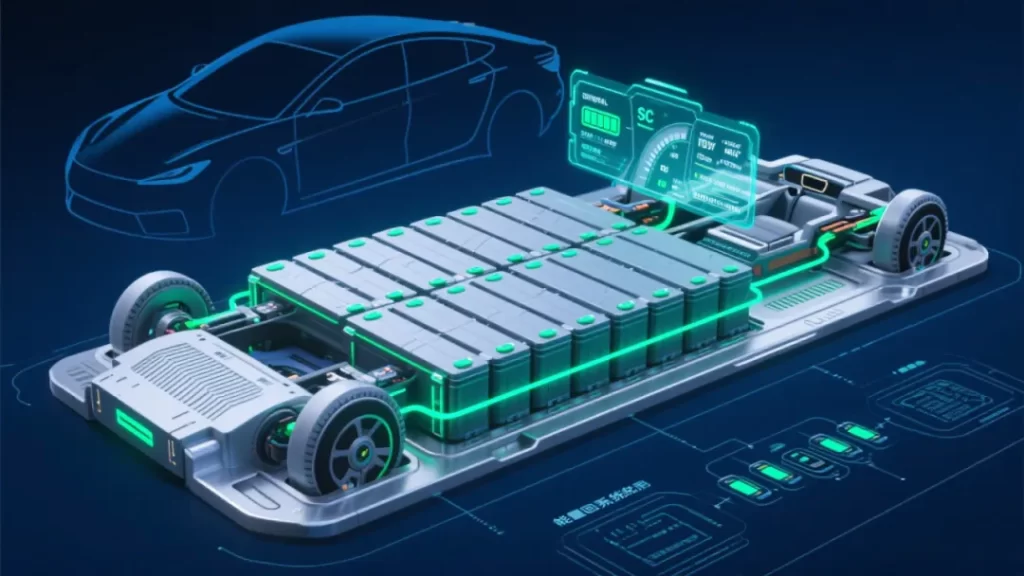
With the rapid development of the electric vehicle (EV) industry, theBattery Management System (BMS, Battery Management System) As a core component, its communication architecture is facing new challenges of higher bandwidth, lower cost and simpler cabling.
Traditional BMS systems rely heavily on CAN / CAN FD Bus However, as the number of Sensors within the battery module continues to grow and the amount of data is increasing dramatically, it is important to keep the data exchanged.Bandwidth bottleneck in CAN bus Gradually, it becomes apparent.

In recent years, according to IEEE 802.3cg Standard definition 10BASE-T1S Single-Pair Ethernet Technology With features such as single-pair cables, multipoint topology and 10 Mbps transmission rate, it brings a new communication solution to BMS systems, realizing the following Higher bandwidth, lighter cabling and better interference immunityThe

01. BMS System Communication Needs and Challenges

The BMS system needs to monitor key parameters such as voltage, current and temperature of the battery packs in real time, and to realize control functions such as battery equalization, thermal management and safety protection. This imposes strict requirements on the communication system:

  • Real-timeData needs to be captured and processed in milliseconds to ensure battery safety and life.
  • Reliability: Communication systems must be highly reliable to avoid data loss or misdirection.
  • Anti-disturbance capability (EMC)The high voltage and high current environment in the battery pack requires a strong anti-interference design for the communication link.
  • Cost & Weight: Automotive electronic systems are extremely cost and weight sensitive and require simplified wiring and connectors.
  • Scalability: Requires support for battery module configurations of different capacities and specifications.

02. Advantages of 10BASE-T1S technology in the BMS

10BASE-T1S It is an innovative solution that extends Ethernet technology to the Edge Node, which is particularly suitable for in-vehicle BMS, sensor networks and low-speed control domains. The core technology features are as follows:

🔹 Physical Layer Features
  • Single PairThe data transfer is carried out by a single pair of wires, which significantly reduces the weight and cost of the wiring harness.
  • Multi-drop Topology: Up to 8 nodes can be connected on a single 25-meter bus segment, supporting point-to-point or multipoint connections to simplify the cabling structure.
  • Differential Manchester Encoding (DME): Enhances signal integrity and clock synchronization for improved interference immunity.
🔹 Data Link Layer Features
  • Physical Layer Conflict Avoidance (PLCA): To ensure predictability of latency by ensuring control of sexual media access and avoiding physical layer collisions.
  • 10 Mbps BandwidthThe bandwidth is nearly ten times higher than the CAN bandwidth of 1 Mbps, which meets the needs of high-frequency sampling and high-speed data transmission.
🔹 Advantages of BMS applications
  • Simplify battery pack wiring: Multiple battery modules can share a single bus, reducing connectors and weight.
  • Enhancement of data collection capabilities: Higher bandwidth supports more sensors and higher sampling rates.
  • Support Ethernet Full Stack ProtocolNative support for IP communications for seamless integration into the on-board Ethernet backbone architecture.
  • Reducing System Costs: Reduce the number of connectors, simplify the assembly process, and lower the overall BOM cost.

03. iris 10BASE-T1S Media Gateway

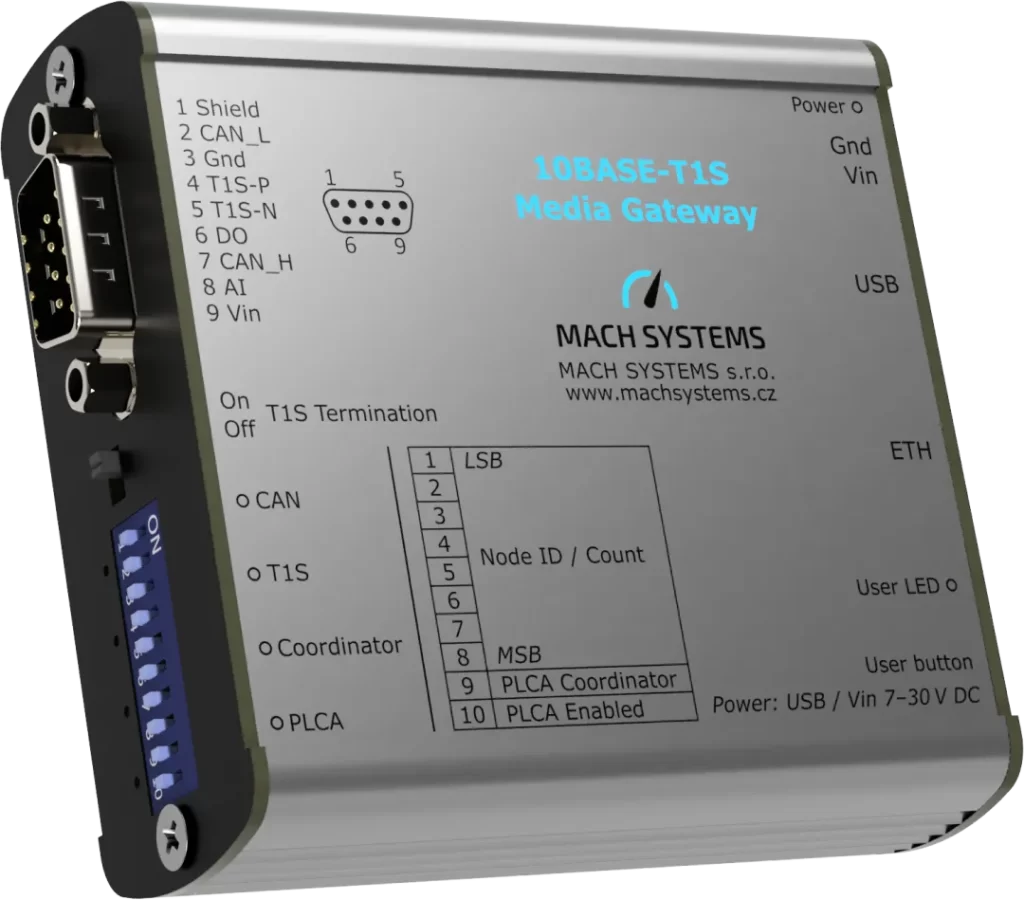
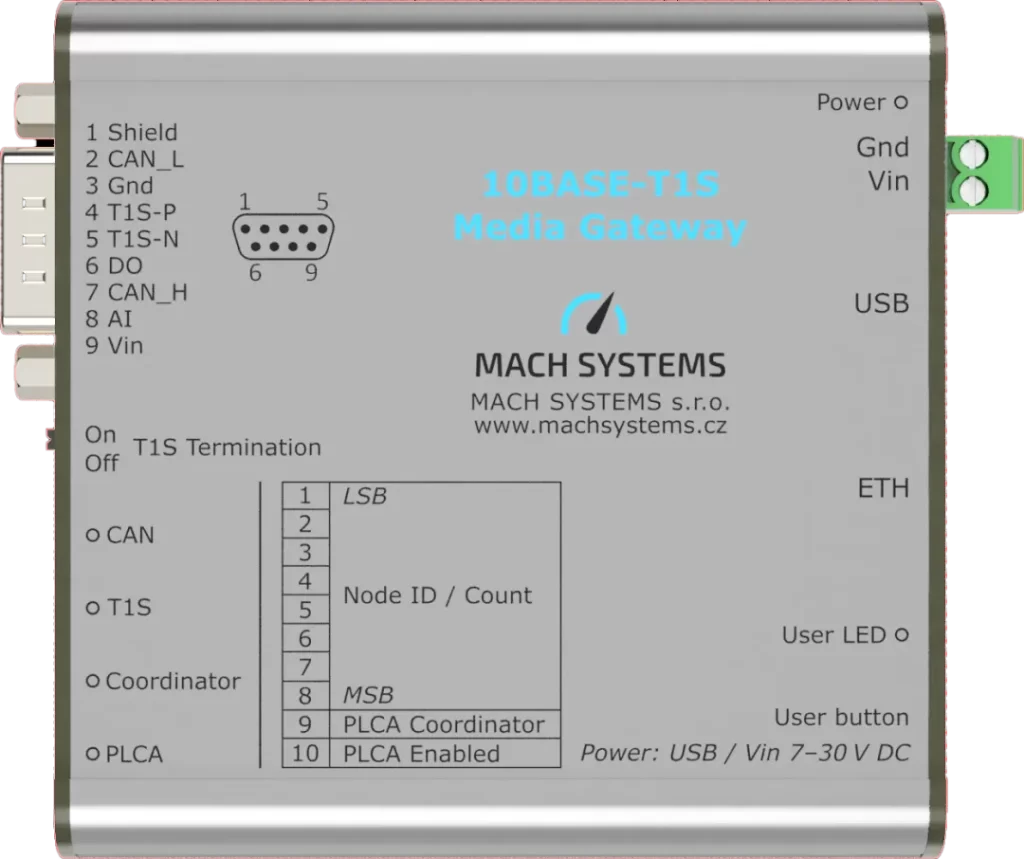
Hongke 10BASE-T1S Media Gateway It is a support CAN / CAN FD to 10BASE-T1S Bidirectional Conversion The professional-grade gateway equipment provides a flexible and efficient bridge solution for BMS communication architecture upgrades.

The device is integrated:

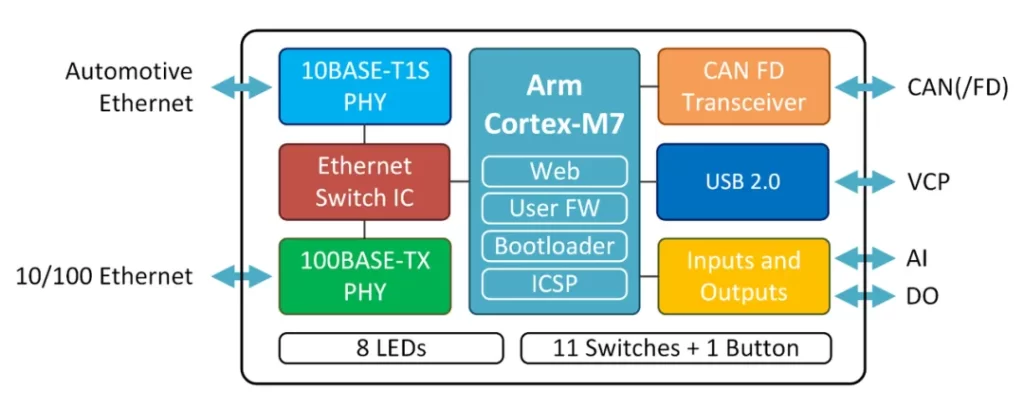
  • One. 10BASE-T1S port
  • One. Fast Ethernet ports
  • One. CAN channel with CAN FD support
  • One. USB 2.0 port

passable Embedded Web Server Configuration for bridging 10BASE-T1S network and CAN / CAN FD BusIt can also be flexibly switched to Ethernet bridge or adapter mode.

Product Characteristics

Flexible working mode
  • 10BASE-T1S ↔ CAN(/FD) two-way gateway
  • 10BASE-T1S ↔ 10/100BASE-TX Intermediate Conversion
  • Ethernet-CAN(/FD) Interface Card
  • USB-CAN(/FD) Interface Card
Diverse Configurations
  • On-board DIP switch: Basic Settings (Mode Selection, Node ID, Terminal Resistance Enable)
  • Embedded Web Server: Advanced configuration and status monitoring
  • C Language SDKSupports secondary development and customized bridge applications.
Main physical properties
  • Working Temperature: -20°C to 70°C (for automotive-grade environments)
  • Power Input: USB Type-C or external 7-30V DC
  • I/O Interface: Provides analog inputs and digital outputs for connection to peripheral devices
  • Connector Configuration: D-SUB 9 for 10BASE-T1S/CAN/Power, RJ-45 for 100BASE-TX

04. Hongke 10BASE-T1S Gateway in BMS Application

Take a typical new energy vehicle as an example: the battery pack internally uses a 10BASE-T1S network to connect to multiple battery modules (to monitor voltage, temperature, etc.), while the external charging equipment and vehicle controller still use the 10BASE-T1S network. CAN / CAN FD Communication ProtocolThis is the first time I have done so. At this time.Hongke 10BASE-T1S Media Gateway It can be used as a bridge to realize a seamless transition between the two protocols.

Implementing the Program

① Hardware connection

  • Connect the internal 10BASE-T1S bus of the battery pack to the 10BASE-T1S port of the gateway.
  • Connect external CAN / CAN FD devices (e.g. charging station, vehicle ECU) to the CAN port.
  • Provides external 7-30V DC power input.

Gateway Configuration

  • Use the DIP switch to set basic parameters (mode, node ID, terminal matching)
  • Advanced settings via Web Server: definition of CAN / CAN FD parameters, 10BASE-T1S communication rules, UDP/TCP mapping and IP configuration.
  • Configuration according to actual needs PLCA Parameters(e.g., beacon period, number of nodes) to optimize real-time transmission performance

③ Data Processing Flow

  • Uplink (BMS → charging device): Converts the voltage/current/temperature data of 10BASE-T1S into CAN FD frames for transmission to the charging device.
  • Downstream (charging device → BMS): Converts CAN FD control commands (e.g., charge current settings) into 10BASE-T1S frames for return to the BMS.

Practical Benefits

  • Resolving Protocol Mismatches: Enables interoperability between the old CAN system and the new 10BASE-T1S network.
  • Fulfillment of immediate needs: The PLCA mechanism provides deterministic delays to ensure real-time data transfer.
  • Reduced escalation costs: Seamlessly integrates with existing CAN equipment, reducing investment in hardware replacement.
  • Flexible data mapping: Supports multi-layer mapping rules to ensure semantic consistency of data.
  • Diagnostic and monitoring functions: The built-in Web server provides real-time status monitoring and error diagnosis to enhance maintenance efficiency.

Conclusion

In the BMS communication field.CAN / CAN FD and 10BASE-T1S Each has its own advantages. The former is mature, stable and low-cost for low-frequency transmission applications, while the latter has higher bandwidth, simpler cabling and greater scalability, making it suitable for new-generation high-capacity battery systems.

Hongke 10BASE-T1S Media Gateway As a key bridge solution, it perfectly solves the interoperability problem between different communication technologies, enabling BMS design engineers to realize smooth transition and performance upgrades while preserving the existing architecture.

Through rational network topology and precise parameter configuration, the BMS communication architecture based on the 10BASE-T1S gateway of HONGKE can fully meet the requirements of modern electric vehicles for high-efficiency and high-reliability battery management, providing strong technical support for vehicle performance improvement and cost optimization.

Other Articles

Hongke Case

How to Identify Invisible Energy Wastage in Buildings - Panorama Intelligent Energy Management

The Energy SCADA system helps organizations identify invisible energy wastage in buildings through BMS building management, intelligent sensing, energy monitoring and data analysis to improve energy efficiency and meet energy saving and emission reduction requirements. Learn how Panorama SCADA enables smart buildings and efficient energy management.

Read more
Hongke Case

How Bosch Automotive perfects its protocol test chain?

Global Tier1 Bosch Automotive Introduces SENT Protocol Emulator to Complete PSI5, DSI3, SPI, SENT Full Protocol Test Chain. Supporting ECU/sensor/listening modes and providing 3Ms/s high-speed sampling, full protocol coverage, ANSI-C API and LabVIEW support, the SENT solution helps automakers accelerate R&D and reduce communication risks and mass production costs.

Read more
Hongke Case

How Domo BI creates 500%+ ROI, the intelligent decision-making strategy of the world's top data teams

The global analytics market is growing rapidly, and HONGKE explains how the world's top enterprises realize more than 500% ROI through Domo BI. The content covers the four strategies of automated reporting, breaking data silos, AI data insights, and unified data base, which help enterprises establish intelligent decision-making processes and improve operational efficiency and competitiveness.

Read more

Contact Hongke to help you solve your problems.

Let's have a chat