
Search

Hongke's latest articles

HongKe

[HongKong Solutions] Financial Digital Transformation is Imminent: Why Data Layer Upgrade is Critical?

Abstracts:

This article focuses on the digital transformation of the financial industry. Fintech companies and Internet giants are capitalizing on cutting-edge technology to transform the financial industry.Reinventing the Customer ExperienceThe digital transformation of the financial services industry is being driven by the need to improve the quality of the services provided by banks. At present, most bank customers have already become accustomed to using digital channels.Older systems are a major obstacleThe customer is interested in theReal-time Service ExperienceWith the rising demand for new technologies, practitioners are well aware of the need for transformation.Overhauling the technology architecture, including the data layerThe

Looking ahead, financial services should realize real-time interactive experiences, reorganize core business processes, and accelerate cloud deployment.Redis Enterprise This can be empowered withExcellent performance, high availability and scalabilityand provideDiversified Data Modelingto support different application scenarios. Relying on the cloud database architecture, it can efficientlyAccelerate new product launchesIt has been proven to be effective in a number of successful cases.

Digital transformation is disrupting the banking and finance industry

Fintech startups and Internet giants are using cutting-edge technologies toReinventing Customer Experience and ExpectationsThe financial services industry is therefore going through an unprecedented period. As a result, the financial services industry is experiencing unprecedentedMassive Digital TransformationThe

  • 80%'s Bank AccountsAt least one digital channel will be involved in the financial interactions

  • Retail Bank of 57%Considering the old system as the biggest obstacle to the digitalization process

  • Customers of 35%Used online banking services several times during the COVID-19 outbreak

Financial services customers are now interested inContactless Payments, Mobile Banking, Credit Decision Making and Fraud DetectionThere is a general expectation that services such asInstant ExperienceThe financial institutions must therefore realize the digital transformation of their businesses in order to remain competitive in the market. Therefore, financial institutions must realize the digital transformation of their business in order to remain competitive in the market.

In the past, many practitioners have adopted a wrong and inefficient approach to transformation, and they have come to realize that digital transformation is definitely not just aboutAdding a modern website to the traditional infrastructureIt's as simple as that. To achieve the speed of service that customers expect, financial institutions must have a clear understanding of what they are doing.Modernization of the entire software ecosystemThese include the all-importantData LayerThe

II. Future of Financial Services

1. Provide real-time interactive experience

RequirementsReal-time performance and high scalabilityThe data layer is the only way to satisfy the contemporary consumer's need for an interactive experience.

2. Re-engineering critical business processes

Financial institutions can useModern Data ModelingContinued business reorganization. Some businesses in the financial sector (e.g.Fraud Detection) is now available throughArtificial Intelligence, Machine Learning, Fast Graphics and Instant SearchThe technology will be reconfigured.

3. Accelerating the adoption of cloud technology

The hope is to gain a competitive edge and toShorten time-to-marketBusinesses that are not in a position to do so can do so through theCloud DeploymentBuild applications faster.

Redis Enterprise Enables Real-Time Financial Applications

Financial institutions need a whole new set of capabilities to meet the growing demands of today's financial services customers.Redis Enterprise Providing multiple data models with real-time performance and reliability in any environment, it is designed to help organizations toMaximize the value of its data layerThe

1. Experience superior performance, high availability and scalability.

Redis Enterprise OwnershipLinear ExpansionandZero downtimefeatures that provide reliablehigh throughputandSub-millisecond latency. itsNo Shared Cluster ArchitectureThroughAutomatic Failover Mechanismand the configurableDurability and Disaster Recovery OptionsThis ensures fault tolerance in the face of all levels of disaster.

Case Study: Deutsche Börse Realizes High-Speed Data Processing with Redis Enterprise

Deutsche Börse is required to assure the regulators and clients that the systemThroughput and Latency PerformanceRedis Enterprise provides strong support for this.

--Maja Schwob, Head of Data IT, Deutsche Börse

2. Data models tailored for diverse application scenarios

Redis Enterprise SupportInstant Search, Graphics, Event StreamingandAI/ML Modeling ServicesThe capabilities are suitable for applications such asFraud Detection, Wealth Management, Quantitative Tradingand other innovative solutions in a variety of application scenarios.

Case Study: Redis Enterprise Enables Simility to Realize Real-Time Fraud Detection Service

Simility is a service from PayPal that combinesMachine Learning and Human AnalyticsSimility is a cloud-based fraud detection service. With Redis Enterprise processing billions of transactions per day, Simility can deliver fraud detection faster than ever before. 30% Introducing new features and improving overall performance by nearly 90%The

3. Accelerate time-to-market with cloud-based databases

Redis Enterprise as aCustody ServicesIt is available on all major cloud provider platforms, helping organizations to launch new products more quickly and strengthen compliance management.
for example Multi-live Geographic Distributionand other features that allow applications to be deployed globally while providingLocal Level Delayed ExperienceThis makes cloud applications easier to adopt and, in any case, more efficient to use.Maintaining business continuityThe

Other Articles

Hongke Case

【虹科方案】 CRA 合規怎麼落地?網安工程師視角帶你看懂合規邏輯和ONEKEY安全與合規平台價值

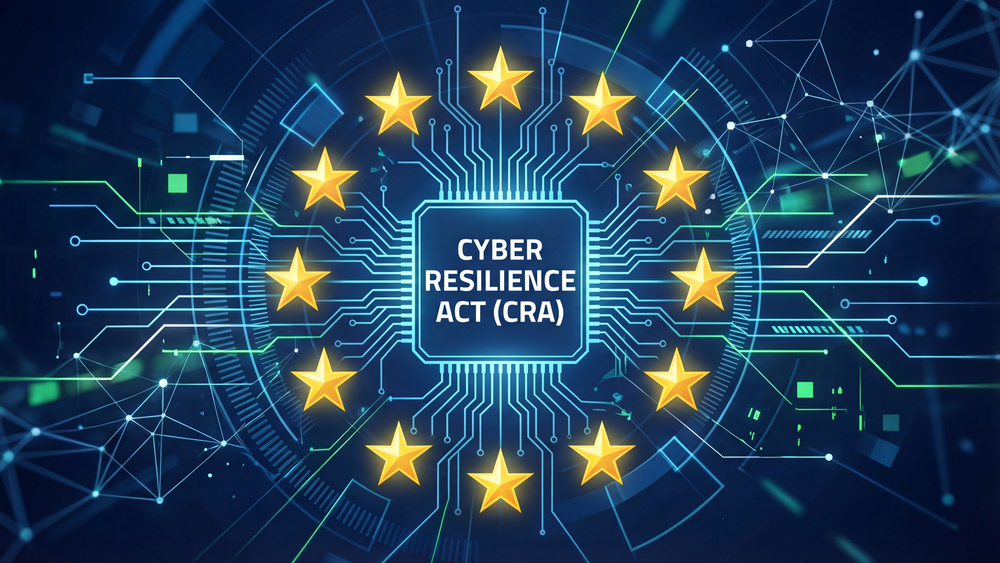
隨著歐盟《網絡韌性法案》(Cyber Resilience Act, CRA)逐步落地,產品安全與供應鏈透明度已成為企業進入歐洲市場的強制要求。CRA要求製造商在產品全生命週期內建立安全機制,並提供SBOM、漏洞管理及合規證據。隨著歐盟《網絡韌性法案》(Cyber Resilience Act, CRA)逐步落地,產品安全與供應鏈透明度已成為企業進入歐洲市場的強制要求。CRA要求製造商在產品全生命週期內建立安全機制,並提供SBOM、漏洞管理及合規證據。ONEKEY安全與合規平台協助企業快速完成合規診斷與漏洞管理,建立可追溯、可驗證的產品安全合規體系。

Read more
Hongke Case

【虹科方案】把合規訓練做成「可量化防線」:以 KnowBe4 串起安全意識+合規培訓全鏈路

在數碼轉型與監管要求日益提升的背景下,企業若仍將合規培訓與資訊安全意識培訓分開管理,往往難以真正降低人為風險。KnowBe4透過模擬釣魚測試、安全意識培訓及Compliance Plus合規培訓庫,建立「測試、培訓、再測試、數據回饋」的閉環管理模式。企業可藉此把合規課程與資安訓練整合為端到端培訓治理,建立可量化、可追蹤、可稽核的合規培訓體系。

Read more
Hongke Case

【虹科案例】從60%到5%: Anglo-Eastern 如何用一年時間築起網路安全防線

Anglo-Eastern Ship Management 是一家管理超過750艘船舶的全球船舶管理公司。面對分布在世界各地的32000多名海員和不斷增長的網絡攻擊風險,公司通過部署 KnowBe4 HRM+ 安全意識培訓平台,實施持續的員工網絡安全教育和模擬釣魚測試。僅用一年時間,員工釣魚攻擊易感率從60%降至5%,培訓完成率超過90%,員工每天主動上報約200封可疑郵件。

Read more

Contact Hongke to help you solve your problems.

Let's have a chat