Hongke Dynamic
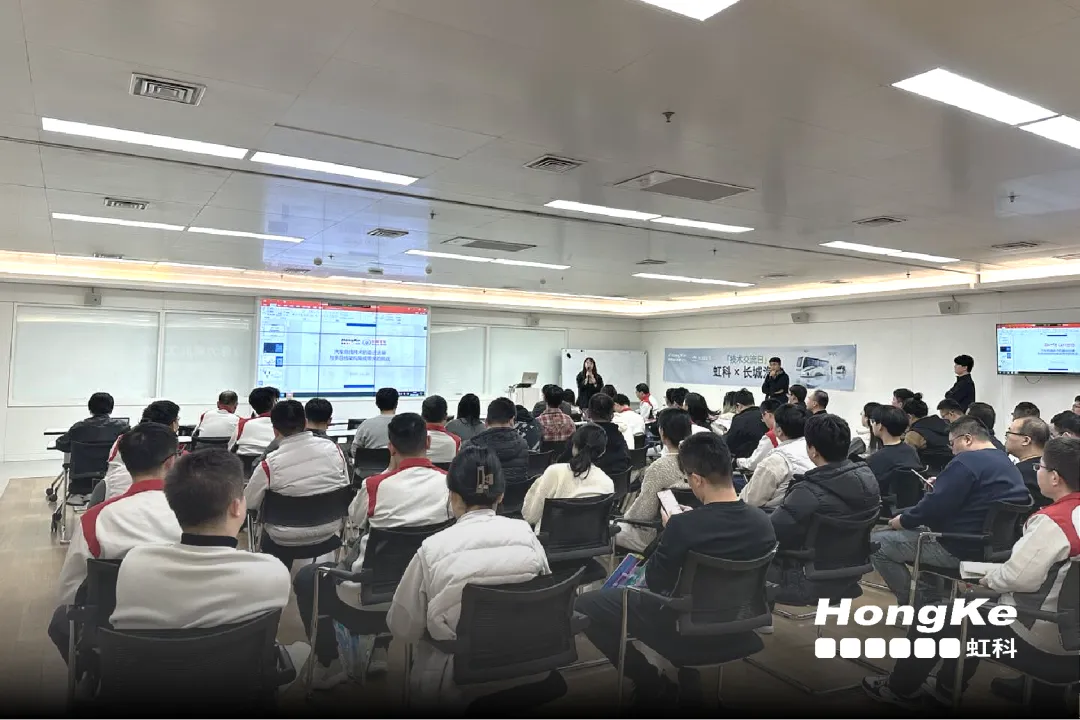
【虹科動態】 虹科×長城汽車技術交流日回顧 – 智慧汽車、車載以太網、GNSS 測試全鏈路方案
2025年虹科攜手長城汽車於保定技術中心舉辦技術交流日,分享智慧汽車、車載以太網、GNSS測試、T-Box通信及aiSim仿真全鏈路方案,展示前沿技術應用與創新成果,助力汽車通信與智慧駕駛行業發展。

 EN
ENLorem ipsum dolor sit amet, consectetur adipiscing elit. Ut elit tellus, luctus nec ullamcorper mattis, pulvinar dapibus leo.
Phishing attacks and ransomware are posing an ongoing threat to enterprise information security in a lower-cost, higher-revenue manner. From email baiting to double ransom, from vulnerability exploits to social engineering traps, traditional defenses are being challenged to the limit.
This article systematically comprehends the current threat landscape of enterprise cybersecurity, and details the role of enterprises in theMultifactor Authentication (MFA),Vulnerability Management,Cloud Backup,Mail Protectionbest practices in areas such as With a special focus on KnowBe4 How to do it throughSimulated Fishing Training,Behavioral AnalysisandSafety CultureIn order to create a "people"-focused security defense line, we help organizations to truly realize the "last mile" of information security.
Phishing is a typical social engineering attack that entices victims to provide sensitive information or perform malicious actions. Common methods include:
Fake links in emails or text messages
False Identity Interaction on Social Platforms
Create a sense of urgency by utilizing current events (e.g., epidemics, tax periods).
Most of them are aimed at account theft, malware implantation or subsequent ransom attacks.
Ransomware attacks are usually premised on infiltration, and common methods include:
Remote Desktop Protocol (RDP) configuration is not appropriate.
Malicious attachments to fishing emails
Software update channel hijacked
Social engineering induces the installation of malicious programs
Modern ransomware generally adopts the "double ransom" model:Encrypt the data, then threaten to leak it for a higher return.
According to the White Paper survey, organizations in the 74% consider MFA to be one of the most effective techniques for preventing phishing attacks.
MFA upgrades the verification from "knowing something" (password) to "owning something" (device) or "being someone" (biometrics), dramatically reducing the risk of password theft, i.e., intrusion.
Suggested Prioritization:
FIDO2 Hardware Key > Biometrics > TOTP Application > SMS or Email Authentication Code
One of KnowBe4's core services is to help organizations build an "Employee Safety Immunity System".
Effective training should cover:
Tips for recognizing phishing emails, business email scams (BEC), and social engineering traps
Design simulation exercises for high-risk positions (e.g. finance, personnel)
Quantify employee response through periodic phishing tests to track improvement results.
About 36% organizations were able to patch the vulnerability within hours after it was made public, but 20% took more than a couple of weeks, leaving hackers with an opportunity to exploit the vulnerability.
Businesses should be established:
Automated Patch Management System
Zero-Day Defense and Intrusion Prevention (IPS) capabilities
Isolation of legacy systems and application layer security protection
Properly configured email validation mechanisms can effectively reduce domain spoofing and phishing emails. The best results are achieved when all three are used in conjunction:
SPF: Defining a Trusted Outgoing Mail Server
DKIM: Ensure that the contents of the email have not been tampered with
DMARC: Develop a strategy for suspicious mail (quarantine or reject)
Cloud Security Demand Continues to Rise as Remote Work Gains Popularity. The White Paper shows:
More and more companies are deploying Cloud Native Security Services(e.g. CASB, EDR/XDR)
adopt AI/Machine Learning (ML) Automated detection and response
Through Hosted Security Services (MSSP) Responding to high-intensity attacks
More than 60% organizations consider offline or cloud backups to be a critical measure against ransomware.
Effective backup strategies should include:
Regular and complete data snapshots
Backups are stored offline to prevent simultaneous encryption.
Regular rehearsal of the recovery process to ensure RTO/RPO control
As technological defenses become more sophisticated, attackers are beginning to exploit human weaknesses as a breakthrough.
KnowBe4 Through the systematic "Security Awareness Training + Simulation Exercise" system, we help enterprises to enhance employees' defensive instincts, make up for the shortcomings of "human defense", and reduce the occurrence of phishing and extortion incidents from the source.
Focus on the root cause and not the symptoms: Build a first line of defense, starting with email security and identity authentication.
Cultural orientation: Encourage employees to take the initiative to ask questions and develop a corporate culture of "everyone participates in safety".
human-machine collaborationThe concept of "People are the last line of defense", as advocated by KnowBe4, makes safety start from awareness.
Active testing and rehearsal: Early detection of vulnerabilities through red team simulations and phishing tests.
Preparedness: Establish a mechanism for collaborative planning with MSSP, law enforcement, and legal counsel.
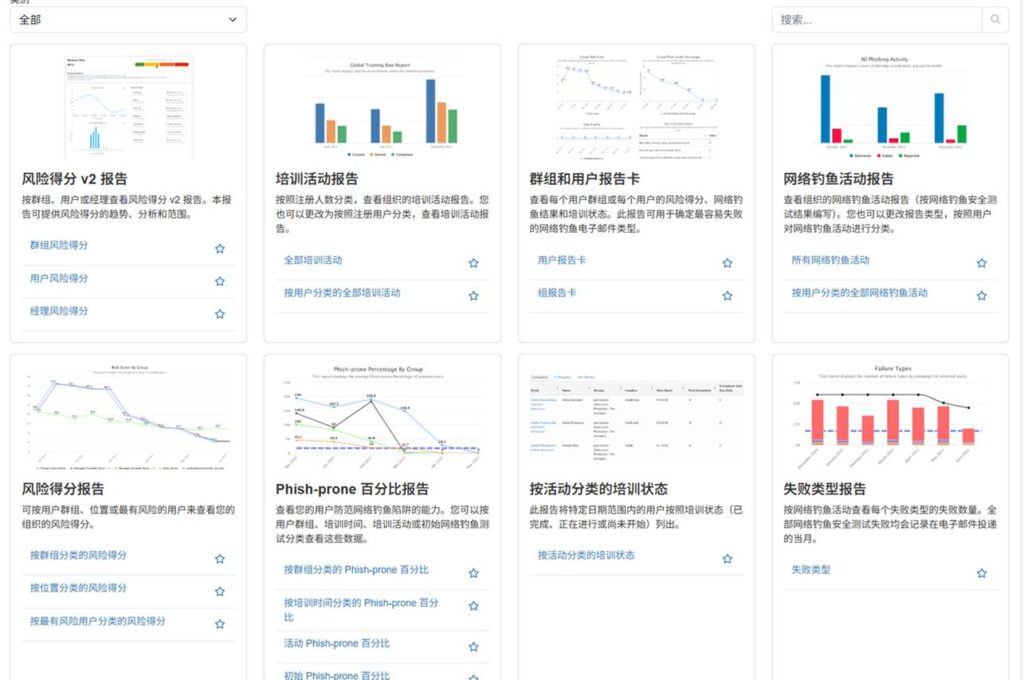
Real-world simulation training
Provides the world's largest phishing email simulation platform, allowing employees to learn to recognize threats in a secure environment and quantify improvements through "click-through" data.
Personalized Safety Training
Designed for different positions (e.g. finance, HR, management), the specialized courses cover phishing prevention, ransom defense, password security and social engineering identification.
Behavior-driven risk management
The system creates a "risk profile" based on employee behavior (clicks, returns, completion) and automatically configures enhanced policies (e.g., mandatory MFA, permission control) for high-risk users.
Safety Culture
Through security tips, quarterly challenges and positive incentives, we are gradually fostering a culture of "everyone is responsible for security" to reduce the space for social engineering attacks.
Phishing and ransom threats don't go away on their own, but continue to spread as attack thresholds are lowered and revenues are raised.
A New Type of Security Awareness Training by KnowBe4 It is the key to cracking the "human loophole".
By combining multi-factor authentication, automated detection, security culture building, and technological defense, enterprises can build a secure environment in an uncertain network environment.Firmware Defense SystemThe
Let security start with every employee, let defense become part of the corporate culture, and work with KnowBe4 to build an impenetrable "people + technology" information security line.
2025年虹科攜手長城汽車於保定技術中心舉辦技術交流日,分享智慧汽車、車載以太網、GNSS測試、T-Box通信及aiSim仿真全鏈路方案,展示前沿技術應用與創新成果,助力汽車通信與智慧駕駛行業發展。
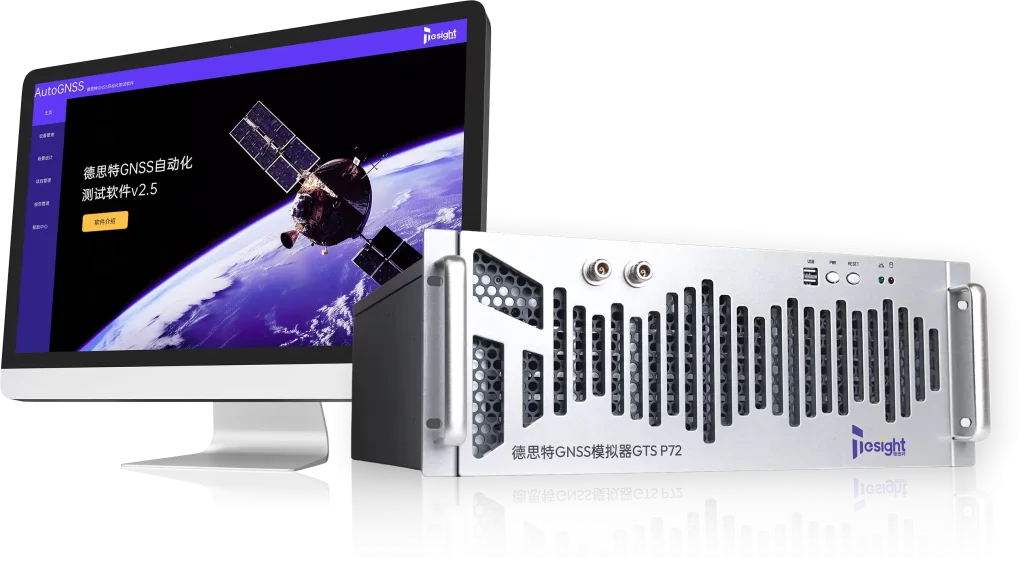
虹科 GNSS 模擬器提供消費電子、導航晶片與定位終端測試解決方案,精準模擬全球衛星導航信號(GPS、GLONASS、Galileo、北斗),提升定位精度、時間同步與數據處理效率,保障產品質量並縮短研發周期。

虹科基於醫療級 AR 智慧眼鏡的遠端醫療解決方案,成功實現中國首例 AR 遠端顱骨修復手術指導。憑藉 ISO 無塵室與 EMI 雙重醫療認證,協助推動分級診療,全面提升手術安全性與醫療協作效率。