

Search

Hongke's latest articles

HongKe

Lorem ipsum dolor sit amet, consectetur adipiscing elit. Ut elit tellus, luctus nec ullamcorper mattis, pulvinar dapibus leo.

Lorem ipsum dolor sit amet, consectetur adipiscing elit. Ut elit tellus, luctus nec ullamcorper mattis, pulvinar dapibus leo.

[Hongke Insights] Pharmaceutical Export and International Expansion: How Can Cold Chain Temperature Monitoring Pass the Global Compliance Test?

As Chinese biopharmaceutical companies accelerate their expansion into global markets, “global compliance” in cold-chain transportation has become a key factor determining the success or failure of exports. This article provides an in-depth analysis of the regulatory challenges facing pharmaceutical exports, air freight safety requirements, and operational efficiency at overseas receiving points, helping you develop a cold chain monitoring solution that meets global standards.

It has become an inevitable trend for Chinese pharmaceutical companies to expand into overseas markets. From active pharmaceutical ingredients (APIs) to biosimilars, and from chemical drug formulations to CAR-T cell therapy products, an increasing number of high-quality “Made in China” pharmaceuticals are successfully entering markets in Europe, the United States, Southeast Asia, the Middle East, and Africa. However, within the cross-border logistics and supply chain, there is a core link that is easily overlooked yet can make or break the entire operation—Global Compliance with Cold Chain Temperature MonitoringThe

Unlike domestic distribution, the export of pharmaceuticals involves a complex environment where regulations from multiple countries intersect:

  1. Products must comply with the destination country's GMP / GDP Standards.;

  2. The temperature-recording equipment itself must successfully passAviation Security Screening.;

  3. Overseas recipients must be able toAccessible and convenient to readTemperature data;

  4. Cold chain data throughout the entire process must be complete and accurate, and we must be prepared to respond at any time.Regulatory Compliance AuditsThe

A flaw in any one step of the process could result in the entire shipment being rejected or returned, or even lead to serious quality disputes and legal risks.

01 | A Web of Global Regulations: Compliance Is the First Hurdle for Exporting

The primary challenge facing pharmaceutical exports stems from the varying regulatory requirements for cold chain temperature monitoring across different countries and regions:

  • U.S. FDA 21 CFR Part 11: It is explicitly stipulated that electronic temperature records used to support GMP decisions must have the same data integrity and audit trail capabilities as paper records.

  • EU GDP Guide: Temperature data throughout the entire transport process must be traceable, and monitoring equipment must be rigorously calibrated and well maintained.

  • WHO World Health Organization: Strict requirements have been established for the cold-chain transportation of vaccines and critical biological products, PQS Pre-Certification Request.

When a single batch of pharmaceuticals needs to be shipped to multiple countries or regions simultaneously, the temperature monitoring solution adopted by the company must provide global compliance coverage that meets the “greatest common divisor” standard.

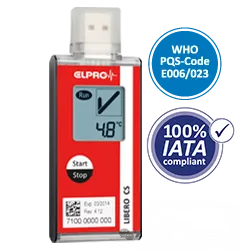
Hongke ELPRO LIBERO CB Disposable PDF Temperature Logger...From the very beginning of research, development, and design, “global compliance” has been the core objective. For pharmaceutical exporters that need to navigate both U.S. FDA audits and EU GDP inspections, a single solution is all that is needed to fully comply with regulatory standards in multiple countries:

  • Tamper-Proof Report: The PDF reports automatically generated by the device comply with the FDA’s strict requirements for electronic records and utilize patented PDF/A technology, ensuring that data cannot be modified once it has been written.

  • Internationally Recognized Certification: Awarded WHO PQS Prequalification (Code E006/022)...further validates the product's high suitability for global public health and medical cold chain applications.

02 | Air Freight Compliance: Temperature Loggers Themselves Must Never Become a Logistics Obstacle

The second—and often overlooked—practical challenge facing the cold-chain export industry stems from security screening regulations for air transport.

Traditional temperature loggers typically contain built-in lithium batteries and are therefore classified as lithium-battery-containing devices. If a device lacks a complete aviation safety certification report, it is highly likely to be classified as dangerous goods during airport security screening and denied boarding. For the export of biological products and emergency medical supplies, the time sensitivity of each batch directly impacts overseas customers’ inventory and clinical use; any shipment delays caused by equipment compliance issues represent losses that companies cannot afford.

Hongke ELPRO LIBERO Series Disposable Data LoggersPowered by a button cell battery, it complies with the relevant provisions of the IATA Dangerous Goods Regulations.

More importantly,Hongke serves as the exclusive distributor for ELPRO in ChinaEvery year, we provide free “Certificates of Conformity for Cargo Transportation” issued by the Shanghai Institute of Chemical Industry and “Air Transport Conformity Reports” issued by Beijing DGM for all LIBERO series products. These two authoritative certification reports comprehensively cover both air and sea freight, and have been highly trusted and recognized by more than 40 major airlines worldwide. They ensure that the temperature loggers themselves do not pose any obstacles to air transport, enabling your products to be loaded onto flights in full compliance with regulations and delivered on time to customers around the globe.

03 | A "Zero-Threshold" User Experience for Overseas Recipients

At the end of the export cold chain logistics process are overseas customers, hospitals, or local distributors. If temperature loggers require the installation of specialized software, the addition of a card reader, or complex configuration to export data, the barrier to use for overseas recipients will increase significantly, thereby substantially reducing acceptance efficiency.

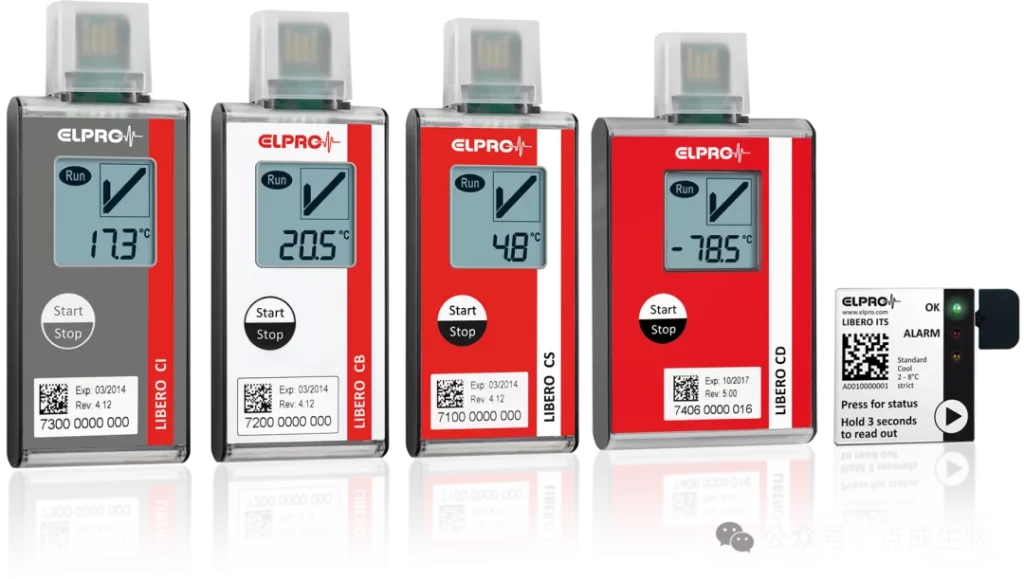
Hongke LIBERO CB Disposable PDF Temperature LoggerFeatures a "Plug-and-Play" design:

  • No installation required, no drivers needed: The recipient simply needs to plug the data logger into any computer's USB port, and the system will automatically generate a PDF temperature analysis report.

  • Zero training costs: No special software installation is required, no internet connection is needed, and no prior training is necessary.

In addition, Hongke offers a diverse product portfolio tailored to various transportation scenarios:

  • Hongke LIBERO CS: Equipped with an intuitive LCD display and an 8-level over-limit alarm function.

  • Hongke LIBERO CD: Measurement Range Coverage -90°C to +50°C, designed specifically forUltra-Low-Temperature Transport Using Dry IceDesigned for temperature monitoring during transit. Upon receiving the shipment, the recipient can immediately view the temperature history and alarm logs directly on the screen, allowing them to make an initial and accurate assessment of the shipment’s condition without having to turn on a computer.

In terms of cost control,Disposable (single-use) designThis means companies do not need to manage cross-border recycling, directly eliminating costly cross-border reverse logistics expenses and cumbersome customs clearance procedures. The equipment comes with an authoritative calibration certificate upon shipment and is ready to use right out of the box, greatly simplifying the shipping process. For pharmaceutical companies that handle hundreds of export shipments annually, this streamlined “ship-and-use, receive-and-read” model offers particularly significant advantages in terms of improving operational efficiency and reducing labor costs.

Conclusion

As Chinese pharmaceutical companies are accelerating their global expansion (expanding overseas),Global Compliance Capabilities for Cold Chain Temperature MonitoringIt has become one of the core criteria overseas customers use to evaluate qualified suppliers. Choosing the right cold chain monitoring solution not only provides a solid guarantee of pharmaceutical quality but also represents a key strategic investment for successfully entering overseas markets.

Other Articles

Hongke Dry Goods

[Hongke Insights] Plug the Gaps Before Deploying AI: Minimize Data Breach Risks with “Real-Time Monitoring + Access Control”​

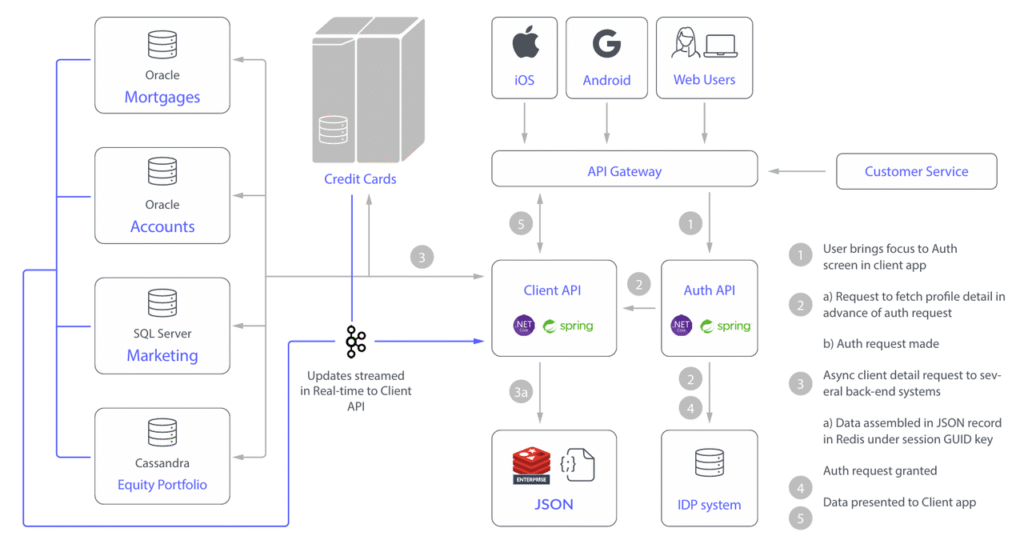
As generative AI and AI agents are widely adopted in enterprises, behaviors such as prompt injection, over-agency, and unintentional data leaks by employees continue to amplify data leakage and compliance risks, creating an urgent need for proactive security solutions. This article leverages the Lepide Data Security Platform to build a comprehensive protection system centered on “pre-deployment governance + in-operation monitoring.” Through real-time sensitive data monitoring, fine-grained permission controls, end-to-end auditing, and automated incident response capabilities, it can integrate with SIEM and SOAR systems to form a closed-loop risk management system. The platform automatically consolidates excessive permissions, and abnormal behavior triggers rapid response measures such as account freezing and system isolation. This addresses the challenges of excessive AI permissions and confidential data leaks while meeting compliance requirements under regulations such as GDPR, thereby establishing a robust data security defense for enterprises implementing AI.

Read more
Hongke Dynamic

[Hongke Solutions] From Passive Defense to Proactive Prevention: Easily Handle Annual Risk Assessments and Security Audits with KnowBe4

Hong Kong’s “Protection of Critical Infrastructure (Computer Systems) Ordinance” requires companies to conduct annual cybersecurity risk assessments and complete independent audits every two years. However, most companies focus solely on technical vulnerabilities while overlooking human-related risks, which account for 80 percent of cybersecurity incidents. KnowBe4 quantifies employee risk through simulated phishing tests, establishes a dynamic risk scoring mechanism, comprehensively retains data on testing, training, and improvements, and enables one-click export of regulatory-grade reports, helping enterprises implement continuous risk management and easily navigate annual assessments and security audits.

Read more
Hongke Dynamic

[Hongke News] Why Rule-Intensive Businesses Are Better Suited for Low-Code: Making Decision Logic “Configurable” Instead of “Hard-Coded”

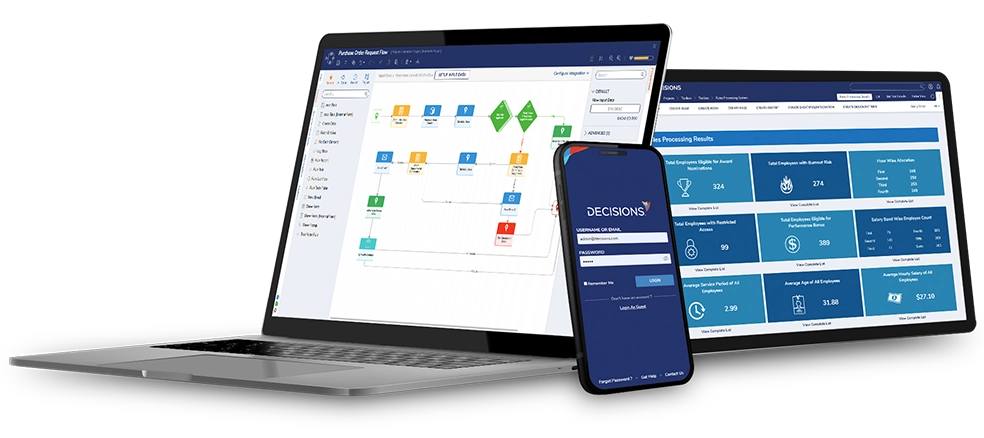
Many rule-intensive enterprises often face challenges during digital transformation, such as business rules being tightly coupled with underlying code, cumbersome tuning processes, and difficulties in unifying logic across systems. Low-code solutions can transform decision logic into visual configurations, shortening rule iteration cycles and clarifying the division of responsibilities between business and IT. The Decisions platform integrates a low-code environment with a rules engine to independently build a shared decision-making layer. It supports drag-and-drop rule management and cross-system integration and invocation, balancing operational flexibility with IT governance and regulatory requirements.

Read more

Contact Hongke to help you solve your problems.

Let's have a chat