

Search

Hongke's latest articles

HongKe

Lorem ipsum dolor sit amet, consectetur adipiscing elit. Ut elit tellus, luctus nec ullamcorper mattis, pulvinar dapibus leo.

[Hongke Insights] Hongke’s Guide to Choosing Enterprise-Grade Smart Glasses: 8 Key Differences from Consumer-Grade Models

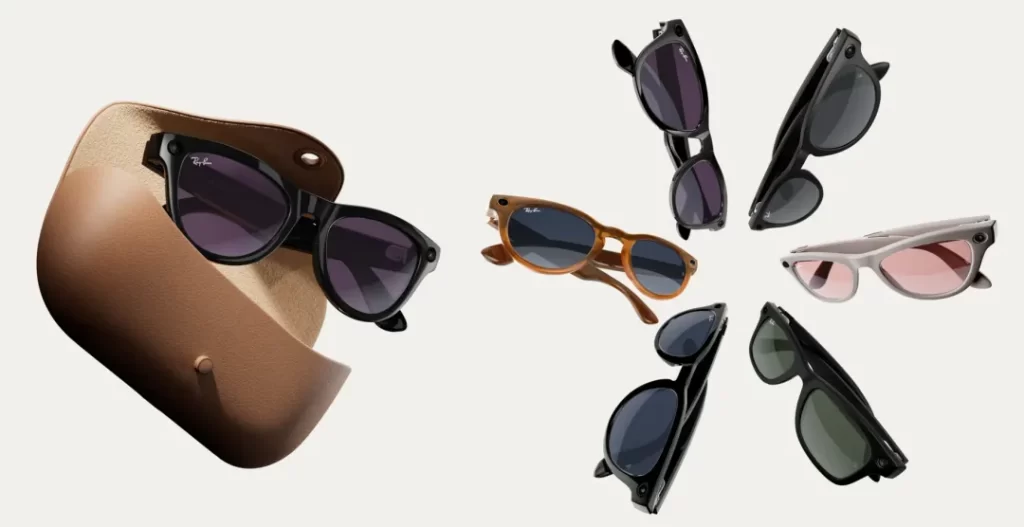
The smart glasses market is evolving at an astonishing pace. Consumer-grade AI glasses, such as the Ray-Ban Meta, are making wearable technology more widespread, more fashionable, and more readily accepted by the public and society at large. This is an extremely positive development for the entire hardware category, helping users feel more comfortable using cameras, voice assistants, open-ear audio, and hands-free computing.

However, widespread adoption in the consumer market does not necessarily mean that these devices are enterprise-ready. Consumer-grade smart glasses were originally designed for personal convenience, everyday photography, communication, and lifestyle-oriented AI applications.

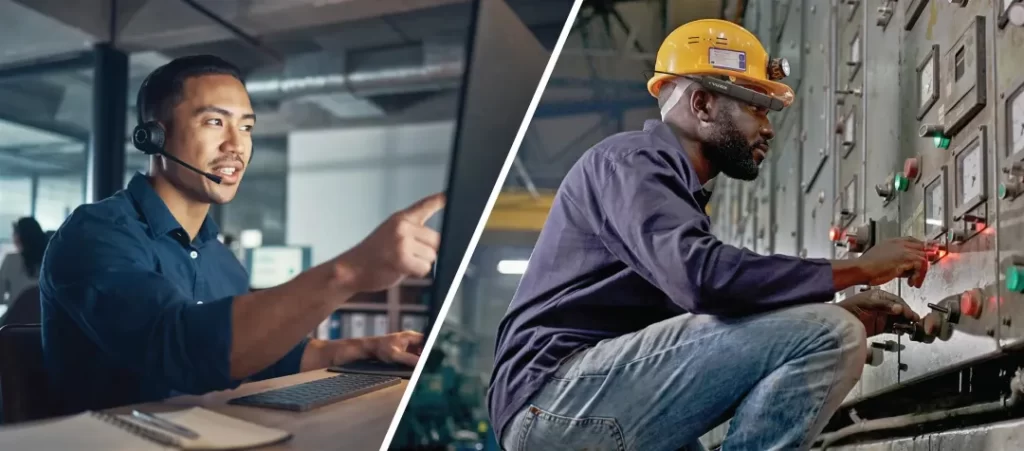
For those who are evaluating the use of smart glasses inWarehouse Logistics, Modern Manufacturing, On-Site Technical Services, Clinical Healthcare, Supply Chain ManagementFor organizations and companies operating in mission-critical environments, procurement decisions involve far more than just product design or employee enthusiasm.

It's more aboutSystem Security, Workflow Integration, Device Fleet Management, Industrial-Grade Durability, Full Lifecycle Technical Support, Data Complianceas well asMeasurable Operational Value (ROI)The

HOSCOAs a specialist provider of enterprise-grade AR solutions, Vuzix welcomes the trend toward consumer-grade smart glasses, as it validates the market and accelerates business adoption. However, there is a clear distinction between glasses designed for everyday personal use and enterprise-grade smart glasses built for efficient work.

Checklist of Key Considerations for Corporate Procurement of AR Smart Glasses

  • Primary Objective

    • — Consumer-grade: personal AI, everyday calls, photography, video recording, and lifestyle conveniences

    • — Enterprise-level: Workflow execution, remote expert support, equipment inspections, warehouse order picking, employee training, telemedicine

  • Control of the Platform

    • — Consumer-grade: A closed consumer ecosystem controlled by manufacturers

    • — Enterprise-level: Highly configurable deployment models that fully support enterprise-specific applications and IT policies

  • Data Model

    • — Consumer-grade: Consumer public cloud and application-based third-party services

    • — Enterprise-level: Rigorous data governance, with support for private cloud and on-premises deployment options, as well as controlled integration

  • Equipment Management

    • — Consumer-grade: Set up and maintain by individual users themselves

    • — Enterprise-level: Supports bulk configuration, MDM (Mobile Device Management), remote firmware updates, and role-based access control (RBAC)

  • durability

    • — Consumer-grade: Everyday use and casual social interactions

    • —— Enterprise-grade: Rugged and durable, high IP rating, designed with industrial safety in mind, and suitable for high-intensity shift environments

  • AI Technology

    • — Consumer-grade: General-purpose lifestyle assistant

    • — Enterprise-level: Specialized AI that is deeply integrated into workflows and tightly linked to corporate knowledge bases and standard operating procedures (SOPs)

  • Support Modes

    • — Consumer-grade: Retail stores / After-sales support for general consumers

    • — Enterprise-level: Enterprise-level commercial deployments, custom software, professional accessories, and full-lifecycle technical support

  • ROI Perspective

    • — Consumer-grade: Focuses on purchase price and personal convenience

    • — Enterprise-level: Focus on total cost of ownership (TCO), system uptime, productivity improvements, regulatory compliance, and scalability

01 Consumer-grade platforms are closed ecosystems

Consumer-grade smart glasses are typically built around a controlled ecosystem centered on the manufacturer’s own consumer applications, cloud architecture, AI models, and content-sharing strategies. Even when developer tools are available, access rights, app publishing, API interfaces, and product roadmap priorities are entirely controlled by the consumer platform provider.

Take products such as the Ray-Ban Meta smart glasses as an example: their operating environment, application layer, AI services, and data flow are all subject to strict restrictions imposed by the manufacturer.

However, in a business environment, flexibility and autonomy are not optional—they are essential.

HOSCOVuzix smart glasses, developed in partnership with Vuzix, are built on an open, configurable platform and provide enterprises with a comprehensive software development kit (SDK) and technical support resources. This enables organizations to:

  1. Deploy Custom Applications: Deep integration with existing enterprise core systems (such as ERP, WMS, EHR, and telemedicine platforms).

  2. Full Control Over Firmware Updates and the Software Lifecycle: Avoid business disruptions caused by mandatory updates.

  3. Ensuring Data Security: Manage data securely within the company’s own IT infrastructure and cybersecurity framework.

  4. Hold the deciding vote: You decide how the device operates, rather than being constrained by the consumer platform's product roadmap.

02 Enterprise-Level Security and Data Governance

In consumer-grade wearable devices, data typically flows through cloud infrastructure optimized for social interaction and personalized experiences. While this model may be suitable for personal social sharing, its application to business operations and clinical settings raises serious information security concerns.

In fact, users of consumer-grade smart glasses are often bound by privacy policies that are unfavorable to businesses, which could very well lead to the leakage of a company’s core intellectual property (IP).

What enterprise-level clients and healthcare institutions really need is:

  • End-to-End Encryption

  • Advanced device management and MDM (Mobile Device Management) compatibility

  • On-premises or private cloud deployment options

  • Supports compliance-driven deployment, including HIPAA, GDPR, ITAR, SOC 2 as well as other stringent international regulatory or cybersecurity requirements

  • Comprehensive audit trails and role-based access control (RBAC)

Consumer privacy models are typically designed for individual users, consumer-grade cloud services, personalized recommendations, and content sharing. Enterprise buyers, however, require a completely different model:An architecture built around corporate data ownership, strict access controls, auditability, and regulatory compliance.

Your business data must always remain your property. Under no circumstances should third parties—simply because they manufacture the hardware your team uses—be able to access or use this critical data.

In fact, Meta’s own support documentation clearly states that when users ask Meta AI questions about what they see in front of them, the glasses send the captured photos to Meta’s cloud for AI processing. This is precisely the kind of policy loophole that IT security teams need to evaluate with the utmost caution when companies are considering the adoption of consumer-grade smart glasses.

03 Built for Professional Use — Not Just for Looks

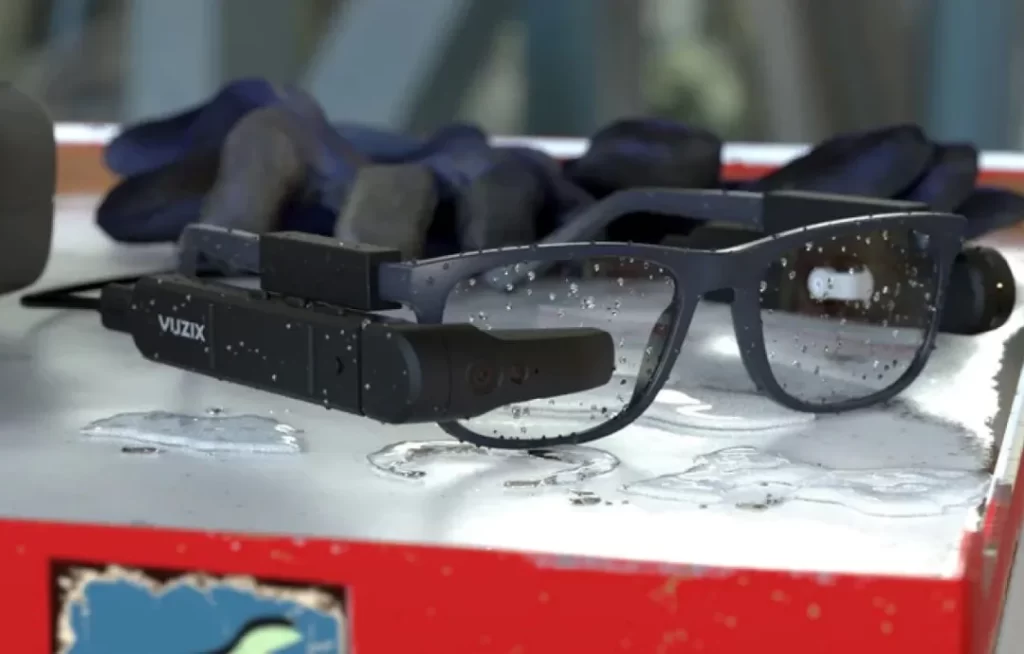
Consumer-grade smart glasses prioritize aesthetic design, comfort, and integration into daily life—all of which are certainly important. However, while also taking ergonomics into account, enterprise-grade smart glasses prioritizeUnmatched Durability, High-Performance Computing, and Task OptimizationThe

This hardware design is not only intended to withstand harsh and complex industrial work environments, but also to comprehensively ensure the wearer’s safety and work efficiency during long shifts.

Modern industrial environments typically require:

  • Hardware designs that meet professional security ratings (such as IPxx Protection Rating, ANSI Z87.1 Eye Protection Standard(etc.)

  • A rugged industrial enclosure that is dustproof, debris-resistant, resistant to extreme temperatures, and impact-resistant

  • It has a long battery life, capable of supporting continuous operation throughout an entire shift.

  • True hands-free usability, or seamless compatibility with industrial gloves and personal protective equipment (PPE)

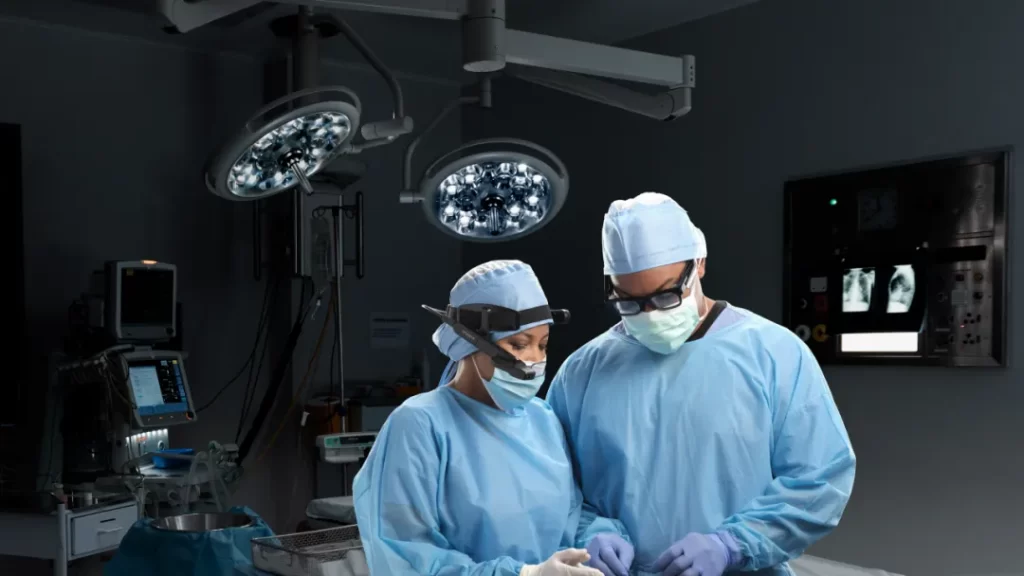
In the medical and clinical fields, hardware equipment must also comply with aseptic procedures and be capable of withstanding prolonged, continuous use in demanding clinical settings.

While glasses that look like everyday eyewear may help alleviate employees’ initial reservations about wearing them, what truly delivers a real-world return on investment (ROI) for companies is ultimately the device’sProfessional Performance and Safety AssuranceThe

04 Deployment, Technical Support, and Service Responsibilities

Consumer-grade wearable devices are typically purchased by individual employees and managed at the user level. However, enterprise-grade applications require centralized control, provisioning, and professional support. Enterprise buyers are not simply purchasing hardware; they are deploying a tightly managed business operations system.

This requires professional onboarding, technical documentation, dedicated hardware accessories, a spare-device rotation mechanism, dedicated support channels, systematic training, and a clear path from proof-of-concept (PoC) pilot projects to full-scale deployment.

With the help ofHOSCOWith enterprise-grade smart glasses from our partner Vuzix, organizations and businesses can:

  1. Enable remote accessBatch DeploymentEquipment

  2. Centralized remote management of the entireDevice Clusters and Fleets (Device Fleets)

  3. Scheduled, Targeted Push Notifications for Enterprise App Updates

  4. Real-time Monitoring of Equipment Performance and Usage Status

  5. Based on employee permissions and job rolesLock Specific Features

  6. Receive software and deployment support from the original manufacturer and a team of technical experts

05 AI Firewalls for Enterprises

AI is becoming the core feature of consumer-grade smart glasses. We also believe that smart glasses serve as the optimal bridge connecting AI technology with human users, but enterprise-level AI has fundamentally different use cases and computational logic.

The AI software and architecture that businesses truly need should be able to:

  1. Compared to the company's ownProprietary Knowledge BasePerform deep integration

  2. Securely access and retrieve internal confidential documents

  3. Support for Guided Workflows

  4. Intelligent systems assist frontline employees with equipment inspections, remote expert support, and quality assurance (QA)

  5. Strictly withinWithin the enterprise data boundaryOperate to Prevent Data Leaks

Enterprise-grade AI must be based on officially approved and verified knowledge sources, strictly governed by role-based access controls, and auditable.

In an advanced manufacturing environment, AI assistants should accurately reference the correct equipment service manuals, standard operating procedures (SOPs), historical maintenance records, or safety checklists—rather than simply providing a vague, generic response. In the healthcare sector, it must strictly adhere to clinical protocols, patient privacy regulations (such as HIPAA), and medical record documentation rules. In logistics and supply chain management, it should integrate seamlessly with WMS (Warehouse Management Systems), ERP systems, and barcode scanning workflows.

06 Lifecycle Vitality and the Predictability of Product Roadmaps

Consumer-grade hardware generally follows rapid iteration and upgrade cycles driven by fashion trends, market trends, and retail demand. However, enterprise-level commercial deployments require stability.Supply Chain Stability and Long-Term Technical SupportThe

Organizations and multinational corporations investing in smart glasses expect:

  • The product comes with a long-term supply commitment

  • Software security patches and technical support covering the entire product lifecycle

  • Predictable, controllable update cycles

  • Full Backward Compatibility

When a consumer-grade product is discontinued or repositioned due to adjustments in market strategy, a company’s core workflows and operational systems cannot simply be switched over overnight.

07 Total Cost of Ownership (TCO) vs. Initial Purchase Price

At first glance, the retail prices of consumer-grade smart glasses are indeed more attractive. However, when making purchasing decisions, enterprise buyers must comprehensively evaluate the overallTotal Cost of Ownership (TCO)::

  • System Integration and Custom Development Costs

  • Costs of Security Vulnerability Remediation and Compliance Audits

  • Compatibility Costs for Industrial-Grade Components and Peripherals

  • Potential Risks of Downtime Due to Equipment Failure (Downtime Risks)

  • Lack of reliable enterprise-level after-sales support

Professional smart glasses designed specifically for enterprises are closely aligned with your business operations from day one, thereby significantly reducing these hidden costs and future risks.

08 Professional Image and Business Trust

In clinical, high-tech industrial, and multinational logistics settings, a professional image and a sense of trust are crucial. Your patients, on-site technicians, external auditors, and partners must be confident that this equipment consists of professional tools specifically designed for the task at hand—not electronic gadgets repurposed from consumer entertainment technology.

Enterprise-grade smart glasses convey the following message to the outside world:Professional, Reliable, and Complianta strong signal.

In addition, drawing a clear distinction between the enterprise smart glasses employees use for work and the consumer-grade glasses they wear at home ensures that all sensitive business information captured by the glasses remains completely secure. This significantly reduces the security burden on corporate IT departments and minimizes compliance risks across all levels of operations.

If an employee accidentally loses a pair of personal, consumer-grade glasses, this should not escalate into a serious corporate data breach or public relations incident.

Enterprise-level deployments requireDevice-level control, remote wipe and management, access restrictions, and strict data governance, which is designed to minimize corporate risk when equipment is lost, reassigned, or decommissioned.

Consumer-grade products lead the way; enterprise-grade products act as the gatekeeper

Consumer-grade smart glasses are playing a significant role in bringing wearable technology into the mainstream. This is crucial because public familiarity with the technology can reduce employee resistance to new technologies, and widespread adoption in the consumer market further validates the immense market value of AR smart glasses as a hardware category.

However, enterprise-level readiness and commercial deployment require much more than just a sense of familiarity.

In modern office and production settings, smart glasses must be able to seamlessly integrate with core business systems, protect highly sensitive business data, support highly regulated centralized deployments, withstand harsh industrial environments, and deliver measurable operational value at scale.

The right question to ask when making a purchase isn’t simply, “Will employees like wearing these glasses?” A more valuable business question would be:"Can these smart glasses meet our company's strict requirements in terms of operational efficiency, information security, regulatory compliance, and future scalability?"

For modern industrial, medical, logistics, and various mission-critical applications, this is preciselyEnterprise-Grade Smart GlassesThat is where its irreplaceable business value lies.

Do you want to keep track of real-time data, collaborate remotely, and leverage intelligent workflows—even in mission-critical environments?

Hongke AR Enterprise-Level SolutionsWe will fully support your team in efficiently executing tasks from a first-person perspective, obtaining real-time critical information, minimizing process disruptions, and comprehensively improving operational precision and the speed of business decision-making.

If you’d also like to significantly improve operational efficiency, reduce total cost of ownership (TCO), and accelerate your company’s digital transformation, please contact us right away 👇 to schedule a personalized expert demo! Let’s work together to build more efficient, secure, and controllable enterprise-grade intelligent applications!

Other Articles

Hongke Case

[Hongke Solutions] SimData High-Fidelity Virtual Dataset Solution: Perception Training for Autonomous Driving Based on aiSim

Hongke has launched SimData, a high-fidelity virtual dataset built on the aiSim simulation platform and fully compatible with the nuScenes format. It provides high-quality multimodal training data for autonomous driving perception algorithms, LiDAR, and BEV models, effectively addressing the challenge of data collection in extreme scenarios (Edge Cases). Click now to learn about the development process and see real-world results!

Read more
Hongke Dry Goods

[Hongke Insights] Single-Use vs. Reusable Cold Chain Data Loggers: A Guide to Pharmaceutical GDP Compliance and Selection for Transportation

How to Choose the Right Temperature Data Logger for the Pharmaceutical Cold Chain? This article provides an in-depth comparison of the pros and cons of single-use and reusable data loggers, in accordance with GMP/GDP compliance standards, to help pharmaceutical companies and logistics providers in Hong Kong and Southeast Asia optimize temperature control management in their supply chains and reduce compliance risks when expanding into international markets. Click to learn about expert selection solutions!

Read more
Hongke Dynamic

[Hongke News] Hongke AR Smart Glasses Drive a Comprehensive Upgrade in Telemedicine – Vuzix M400 Smart Healthcare Solution

Hongke has partnered with Chunghwa Telecom to introduce the Vuzix M400 enterprise-grade AR smart glasses, helping to upgrade telemedicine services in remote areas! By breaking down geographical barriers through "first-person view" and hands-free collaboration, this initiative accelerates digital transformation and the implementation of smart healthcare applications for B2B medical institutions and care providers. Click to learn more about the full Proof of Concept (POC) solution.

Read more

Contact Hongke to help you solve your problems.

Let's have a chat