Level 1: Interception Before Delivery
The first layer is typically handled by a secure email gateway, native email protection mechanisms, or cloud-based email security tools. Before emails reach the inbox, they are filtered to block known malicious domains, spam, malicious attachments, and obviously abnormal sending patterns.
This layer remains important for handling large-scale, standardized attacks, but it is most effective against “known threats”; its effectiveness is limited when it comes to highly realistic, low-noise, context-specific social engineering attacks.
Level 2: Ongoing Analysis in the Inbox
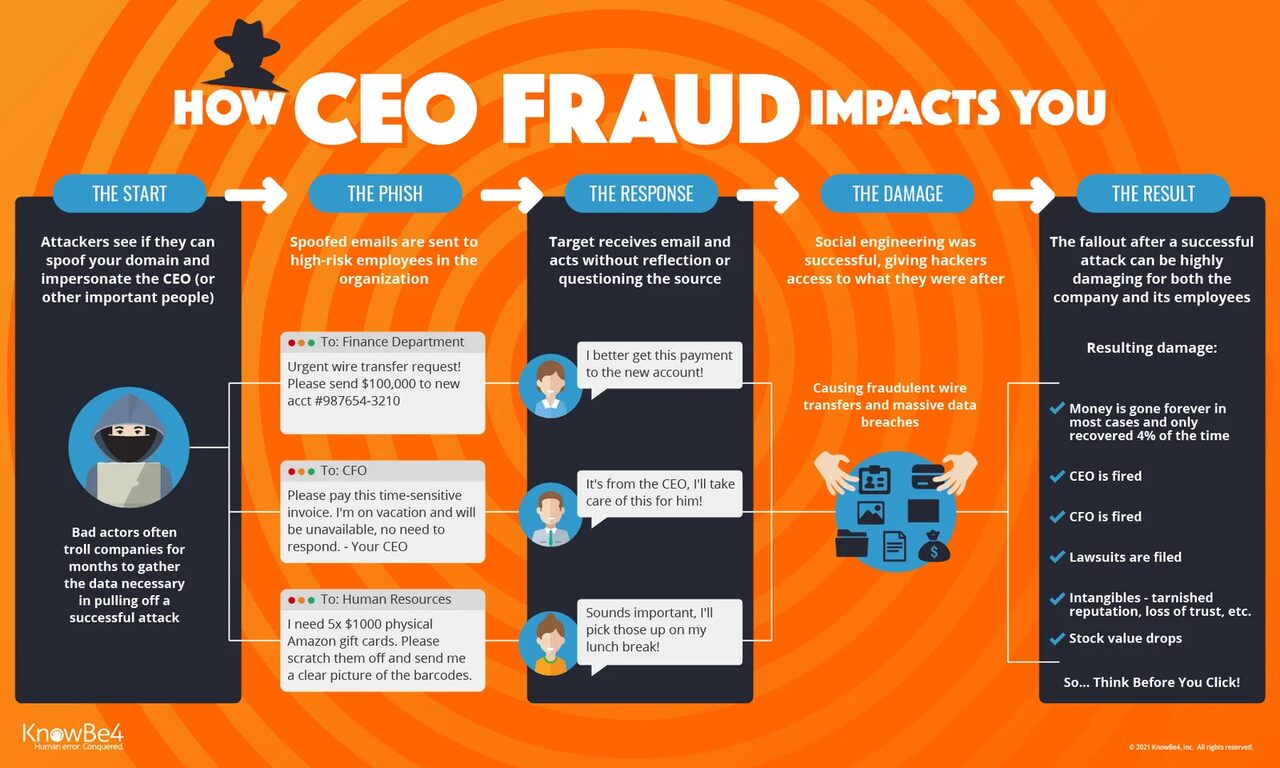
Today, truly dangerous attacks are often not detected at the gateway, but rather begin to wreak havoc only after they have successfully made their way into the inbox.
As a result, modern email security platforms are placing increasing emphasis on post-delivery analysis, such as:
Does the sender match the historical interaction pattern?
Check whether the tone of the content or the context of the request is unusual.
Do links, attachments, and reply threads pose any risks?
Does the email exhibit characteristics of BEC or account compromise?
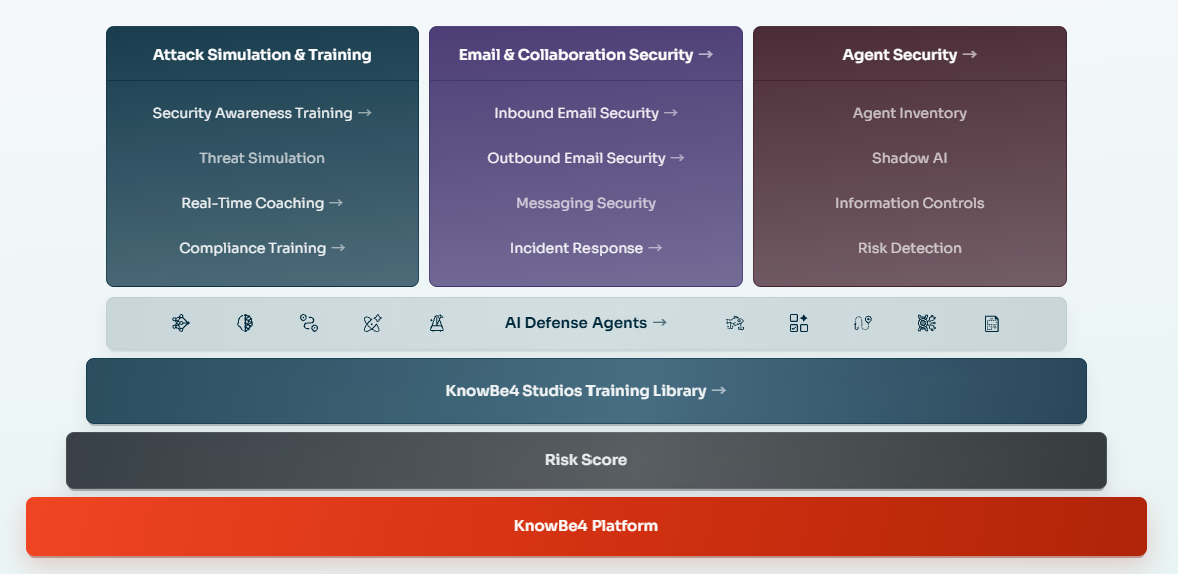
According to KnowBe4 Defend’s public statement, the solution is designed to enhance Microsoft 365’s existing email security capabilities by using AI and behavioral analysis to detect advanced inbound threats that traditional defenses might miss.
Step 3: Pre-shipment Inspection
Email risks don’t just come from external sources; they often stem from unintentional mistakes made internally as well. Common scenarios include sending an email to the wrong recipient, including internal information in an external email, or accidentally sending a sensitive attachment to someone who shouldn’t receive it.
According to publicly available information about KnowBe4 Prevent, this product focuses on managing risks associated with outbound emails and provides real-time alerts before messages are sent—such as when emails are sent to the wrong recipient, sensitive information is shared without authorization, suspicious emails are replied to, or new domains are registered. For businesses, this “hit the brakes before hitting send” mechanism is often more valuable than remedial actions taken after the fact.
Fourth Layer: Continuous Human Defenses
The final layer—and the most critical one—is the user.
No matter how good a system is, it cannot guarantee 100% protection against all threats; however, if employees are willing to pause, think, and click the "Report" button when they see a suspicious request, many attacks can actually be stopped before they succeed.
Both KnowBe4 and official public materials in Taiwan emphasize that the platform supports security awareness training, simulated phishing exercises, and one-click reporting tools such as the Phish Alert Button, enabling users to participate in defense efforts with a lower barrier to entry.