
Search

Hongke's latest articles

HongKe

Lorem ipsum dolor sit amet, consectetur adipiscing elit. Ut elit tellus, luctus nec ullamcorper mattis, pulvinar dapibus leo.

[Hongke Solutions] Introduction to the AR Smart Healthcare Solution: How Can Remote Consultations, Intraoperative Guidance, and Medical Training Be Implemented?

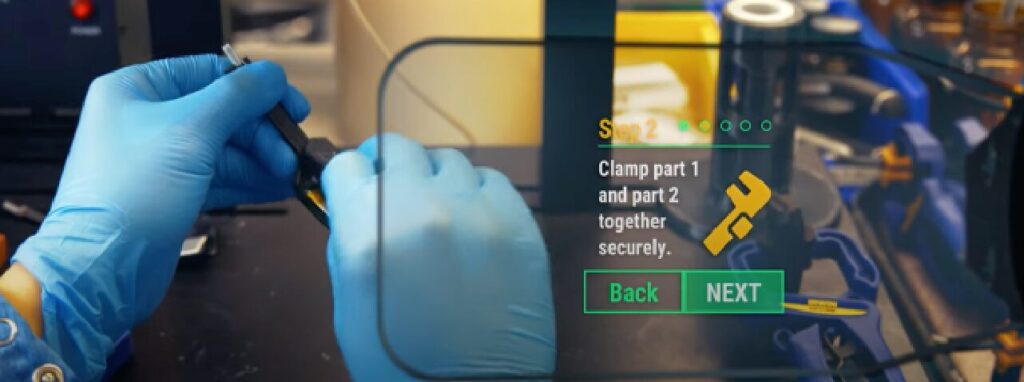
The core value of AR in smart healthcare lies in enabling medical staff to access information, share first-person views, and connect with remote experts—all without using their hands. For hospitals, healthcare groups, educational institutions, and medical device companies in Hong Kong, AR can serve as an on-site platform for remote collaboration, procedural guidance, training documentation, and technical support.

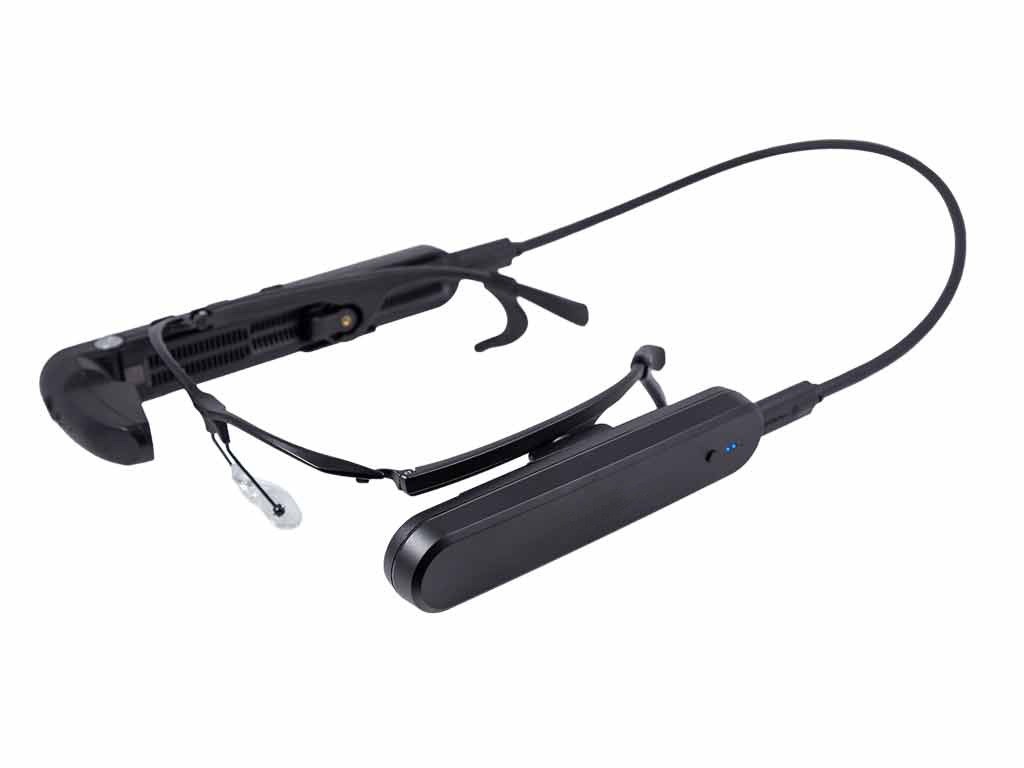
Hongke's AR medical solution consists of Vuzix AR smart glasses, a remote collaboration platform, and enterprise deployment services. It can be applied in scenarios such as pre-hospital emergency care, remote consultations, intraoperative guidance, medical training, remote monitoring, and medical device after-sales support.

01 Why Is AR Needed in Medical Settings?

Traditional video conferencing can connect different locations, but participants on-site usually still need to hold a smartphone or tablet, and the camera’s field of view may not align with the actual operational perspective.

By wearing AR smart glasses, on-site medical staff can transmit a first-person view in real time to experts while keeping both hands free to perform examinations, procedures, or equipment maintenance. Remote experts can then provide guidance through voice commands, screen annotations, screen freezes, and document sharing.

This model primarily addresses three types of problems:

  1. Experts were unable to arrive on time, collaboration across departments or regions involves higher costs;

  2. It is difficult to fully document the process., the training content relies on on-site demonstrations;

  3. Medical Device MalfunctionA manufacturer representative or experienced engineer is needed to resolve the issue on-site.

02 In what scenarios can AR medical solutions be applied?

1. Telemedicine Consultations and Ward Rounds

Healthcare professionals wearing AR glasses can transmit the patient’s on-site condition, equipment displays, and procedural steps to experts, facilitating real-time discussions among multiple parties.

In the case of the University of Malaya Medical Center, AR smart glasses were used for virtual ward rounds for patients in the neurocritical care unit, allowing residents and specialists in different locations to jointly review on-site information.

2. Intraoperative Collaboration and Demonstration

Surgery or clinical procedures can be transmitted to remote experts via first-person-view video. Experts can provide verbal or visual cues based on the video feed, eliminating the need for on-site personnel to repeatedly check other handheld devices.

These types of applications are best suited as tools for collaboration, demonstration, and process documentation; however, their specific use must still comply with healthcare institutions’ clinical management, information security, and equipment usage regulations.

3. Prehospital Emergency Care

Emergency medical personnel in ambulances can use AR smart glasses to transmit real-time updates on the patient’s condition and vital signs to the hospital emergency room, allowing on-site specialists to assess the situation early and provide emergency treatment guidance, thereby ensuring a seamless transition to “treatment upon arrival.”

4. Medical Training

Through first-person video recording and interactive annotations, surgical procedures or operations performed by senior physicians are transformed into standardized educational resources, making it easier for interns and trainees to review the material and learn standard operating procedures (SOPs).

5. Medical Device After-Sales Service

When medical equipment malfunctions in a hospital, on-site engineers or medical staff can wear AR glasses to connect with experts from the manufacturer for remote diagnostics, guidance on replacing parts, and troubleshooting, thereby significantly reducing equipment downtime.

03 What are the components of the plan?

Vuzix AR Smart Glasses

As a lightweight, ergonomic hardware device that supports high-definition first-person view video, voice control, and a heads-up display, it allows medical staff to have their hands completely free.

AR Remote Collaboration Platform

It offers features such as low-latency video transmission, cross-platform connectivity (PC/tablet/mobile phone), on-screen annotation, real-time document sharing, and secure recording throughout the entire process.

04 What Needs to Be Assessed Before Implementing the System in Hong Kong Healthcare Institutions?

  1. Network Infrastructure and Stability: Is the Wi-Fi/5G network coverage and bandwidth in hospitals and operating rooms sufficient to support high-definition video transmission?

  2. Data Privacy and Information Security: Does the solution comply with Hong Kong’s Personal Data (Privacy) Ordinance (PDPO) and the standards for the encrypted transmission of medical data?

  3. System Integration Capabilities: Can the AR platform integrate with the hospital’s existing PACS (Picture Archiving and Communication System) or HIS (Hospital Information System)?

  4. Equipment Disinfection and Clinical Applications: Are AR glasses easy to clean and disinfect, and do they meet the hygiene standards for operating rooms and sterile environments?

05 Which organizations should be prioritized for evaluation?

  • Public and Private Hospitals and Healthcare Groups: Those seeking to improve the efficiency of cross-departmental expert consultations and optimize emergency care processes.

  • Medical Universities and Teaching Hospitals: Those who need to establish a first-person perspective clinical demonstration and training database.

  • Multinational Medical Device Manufacturer: Those looking to reduce travel costs for field service engineers and improve the efficiency of remote equipment maintenance.

Other Articles

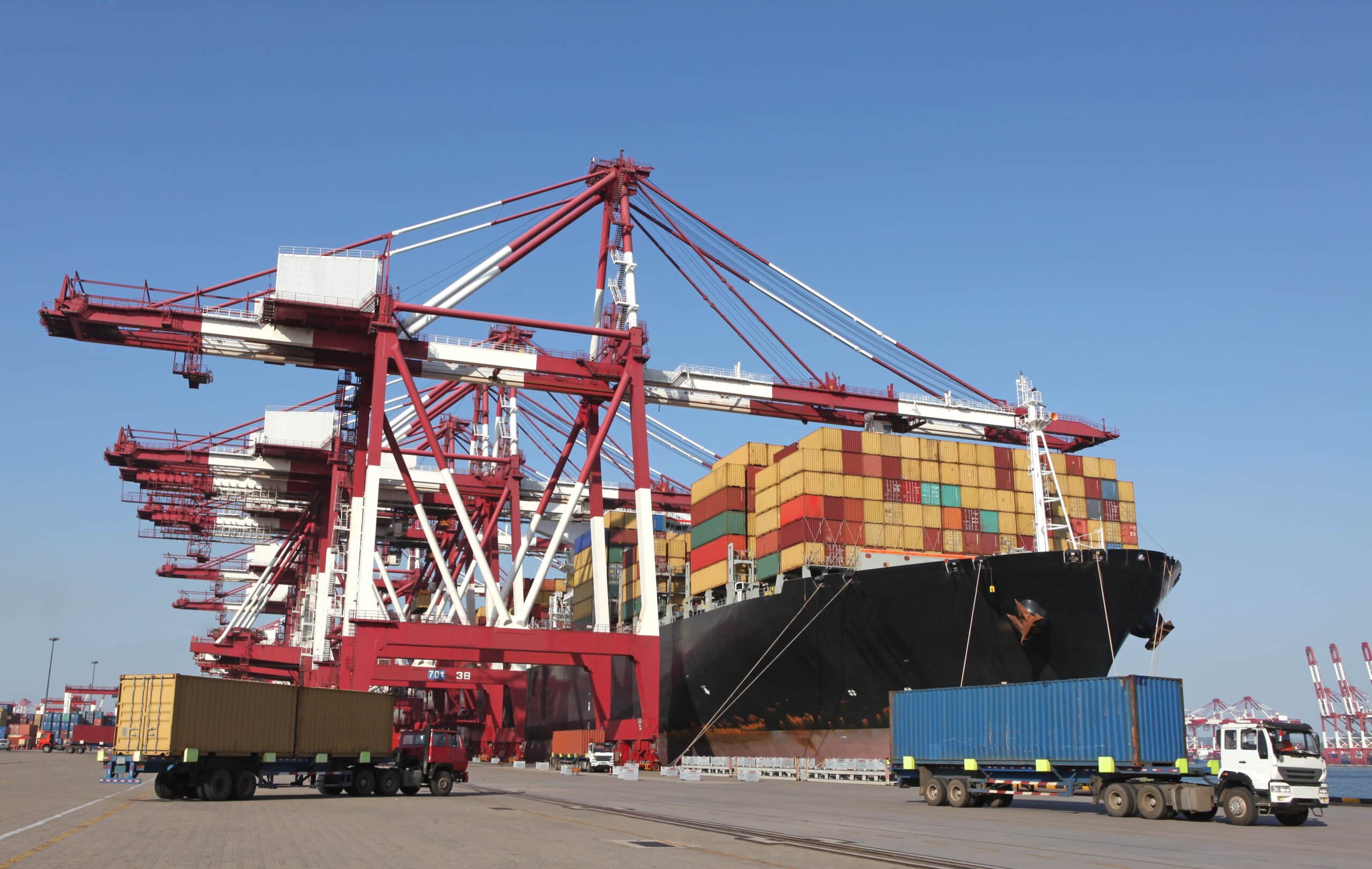
國際海運港口碼頭進行貨櫃裝卸與陸運接駁作業,展現跨境多式聯運供應鏈中的運輸風險監測場景。
Hongke Case

[Hongke Case Study] Impact Recorders Help Companies Determine Liability for Inventory Losses

How Is Liability Determined When Energy Storage Containers Are Damaged During Overseas Export? This case study provides an in-depth analysis of how a major exporter of energy storage systems deployed Hongke’s ASPION G-Log2 shock recorders with their shipments. By continuously monitoring three-axis acceleration and precise timestamps, the company cross-referenced abnormal shock events with logistics nodes in cross-border multimodal transport, precisely pinpointing severe impacts during the final leg of overseas transportation. This provided an irrefutable chain of objective data evidence, successfully resolving the crisis of overseas customer refusal to accept the shipment and high-value claims, and ensuring the smooth completion of acceptance.
Read more
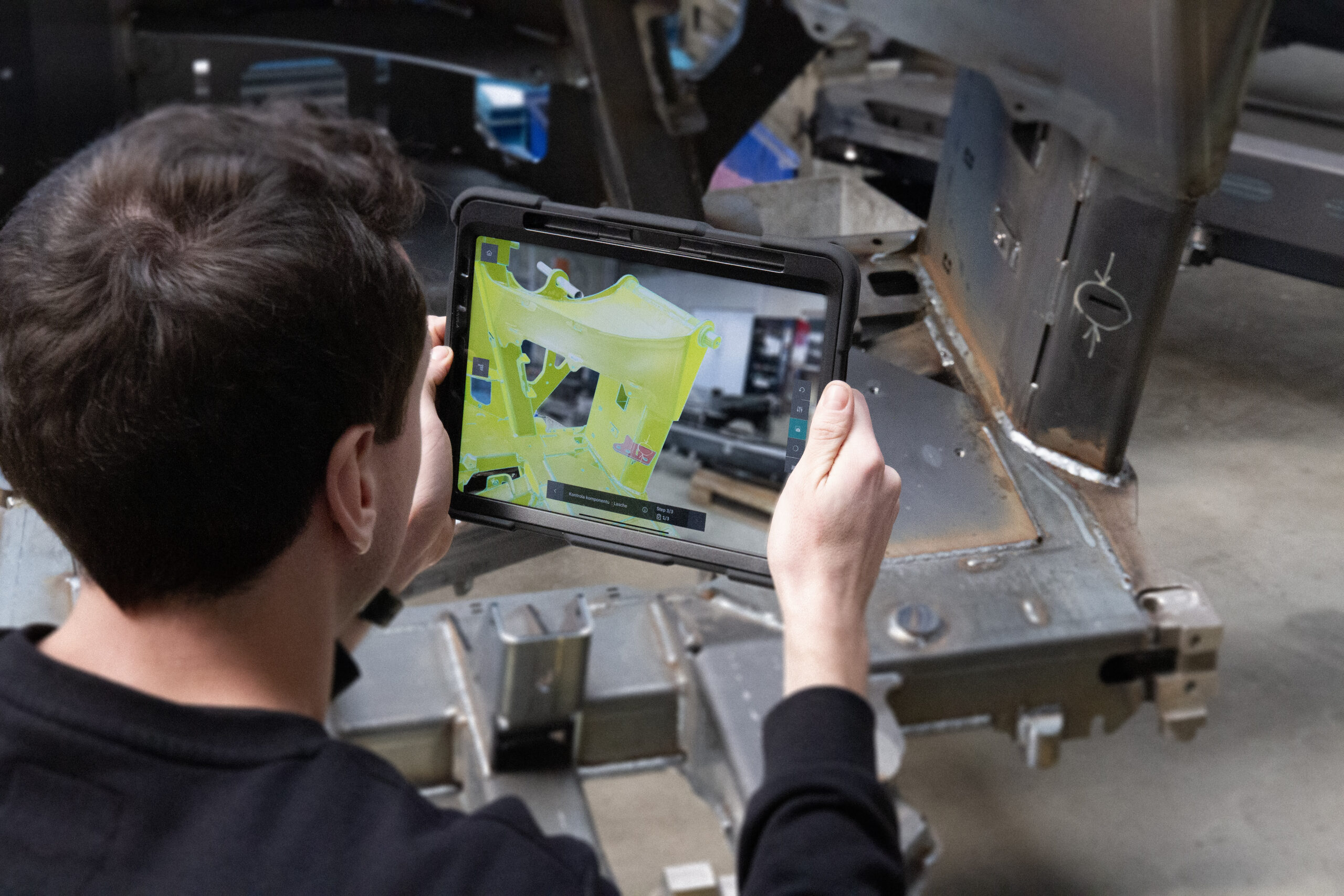
工程師使用 iPad 對焊接金屬結構框架進行 AR 視覺品質檢查,透過黃色高亮 3D CAD 疊加模型比對實物組件與工裝配置
Hongke Case

[Hongke Solution] Solution for Detecting Structural Assembly Deviations in Aviation MRO

This paper explores how the aviation maintenance, repair, and overhaul (MRO) and cabin modification industries can utilize the Twyn AR visual quality inspection platform to detect missing parts, incorrect installations, and structural assembly deviations, thereby reducing rework and improving the efficiency of aircraft maintenance quality control and compliance.

Read more
顯示霍爾木茲海峽 GNSS 干擾事件中,船舶位置跳變與圓圈異常航跡的衛星地圖
Hongke Case

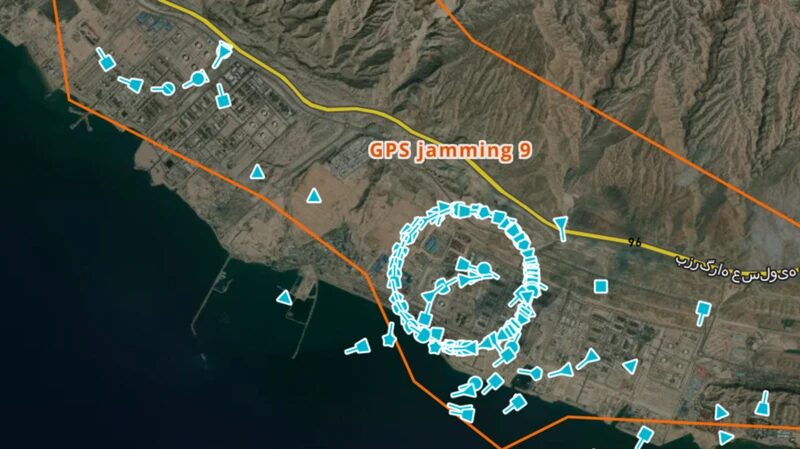
[Hongke Solutions] GNSS Simulators Respond to the Strait of Hormuz Incident

An In-Depth Analysis of the 2026 Strait of Hormuz GNSS Jamming and Spoofing Incident and the Mechanisms Underlying Satellite Navigation Signal Vulnerabilities. This article details how Hongke’s GNSS simulator testing solutions precisely replicate extreme electromagnetic suppression, relay, and generative spoofing attack scenarios in the laboratory, helping engineers evaluate receiver anti-jamming performance and comprehensively empowering the safety verification of high-precision positioning and navigation for autonomous vehicles, drones, and robotic systems.

Read more

Contact Hongke to help you solve your problems.

Let's have a chat