
Hongke Dynamic
【虹科動態】 虹科×ELPRO – 15年合作故事與生物醫藥供應鏈監測解決方案
虹科與瑞士 ELPRO 長達15年深度合作,提供醫藥供應鏈全流程溫度監測與藥品安全解決方案。探索專業技術、信任合作及生物科技創新,助力中國及亞太市場客戶提升研發效率與藥品安全。

 EN
ENLorem ipsum dolor sit amet, consectetur adipiscing elit. Ut elit tellus, luctus nec ullamcorper mattis, pulvinar dapibus leo.
The emergence of BIM (Building Information Modeling) around 2011 has brought a major breakthrough to the construction industry. Today, the technology has matured to the point where it can be applied to other areas in addition to the construction phase.
So, how do you integrate BIM into a SCADA system?
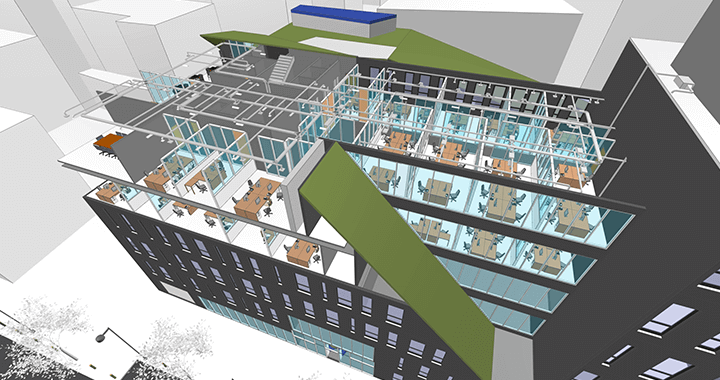
In the past, project managers used AutoCAD to produce simple drawings, but BIM has three key features that go beyond traditional drawing design:
The primary goal of BIM is to improve and deepen the design phase. Better design means fewer construction errors and easier maintenance. The '1-20-60 rule', as it is known in the construction industry, states that a €1 error in design can lead to an additional €20 in construction costs, and ultimately a €60 increase in maintenance costs.
In the broadest sense, BIM is a complete description of a building. Often misunderstood as a mere 3D representation, which is a stereotype, the key to BIM is that it is a collection of all the information about a building. This information is not only useful to the project manager, but also to the operations, maintenance and integration teams.
BIM provides stakeholders with all the information needed for building equipment and operations and maintenance, ensuring a seamless transition from the construction phase to the operations and maintenance phase of the building.
BIM can integrate three types of data:
The correlation of these data constitutes a digital symbiosis: a fusion of the physical and virtual worlds in a two-way system (where information can be retrieved and returned).
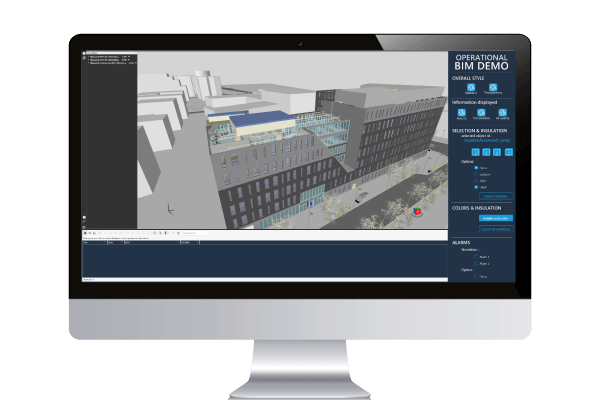
With BIM becoming a key element of SCADA, we have integrated it into our Panorama SCADA solution to make the HONGKEI Panorama SCADA system BIM-enabled for operations.
BIM building data can be imported into Panorama Studio, the integrated development environment for Panorama SCADA. This is done through relay data in IFC files (OpenBIM Common Format).Panorama Studio recognizes various building components and adds them as design "objects" (digital instances of physical objects), thus speeding up the development of applications.
3D models can be integrated into SCADA applications and animated to provide spatial context for building information, making it easier for operators to navigate and locate equipment components or related information.
Example:
When the operator receives an alarm indicating a valve failure and wishes to view it in the application:
Select Alert Notification
The application shows the exact position of the valve in the 3D model.
Valve faults can be intervened in by the operator
BIM is a complete description of the building and therefore requires structured processing of the displayed information. The user view is essential for the accurate application of the data.
The following are examples of SCADA applications based on user roles:
With BIM operational capabilities, HONGKEI Panorama puts BIM at the heart of its operations and becomes a valuable "ally" in the implementation of SCADA solutions for its customers.
虹科與瑞士 ELPRO 長達15年深度合作,提供醫藥供應鏈全流程溫度監測與藥品安全解決方案。探索專業技術、信任合作及生物科技創新,助力中國及亞太市場客戶提升研發效率與藥品安全。

2025年虹科攜手長城汽車於保定技術中心舉辦技術交流日,分享智慧汽車、車載以太網、GNSS測試、T-Box通信及aiSim仿真全鏈路方案,展示前沿技術應用與創新成果,助力汽車通信與智慧駕駛行業發展。
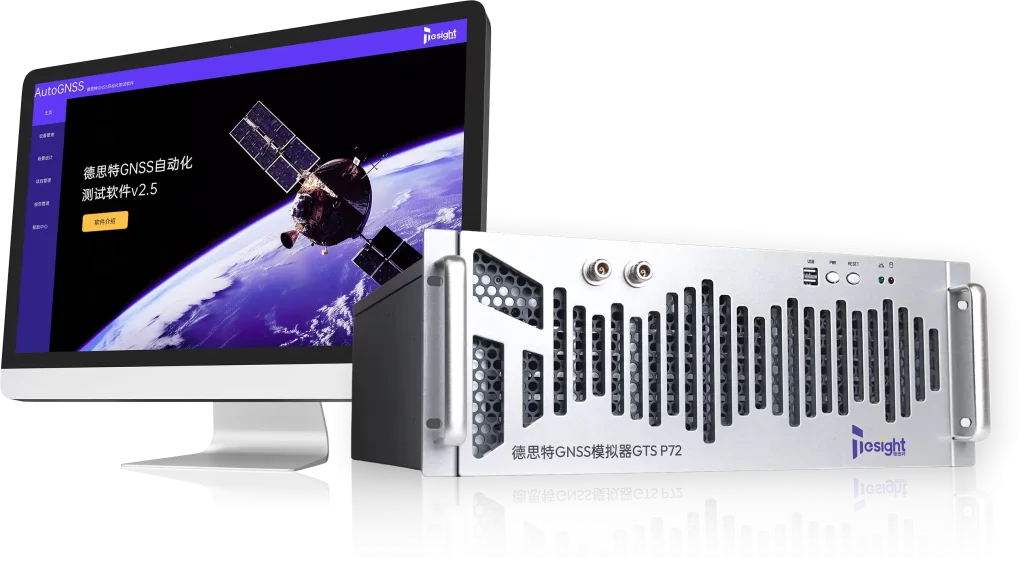
虹科 GNSS 模擬器提供消費電子、導航晶片與定位終端測試解決方案,精準模擬全球衛星導航信號(GPS、GLONASS、Galileo、北斗),提升定位精度、時間同步與數據處理效率,保障產品質量並縮短研發周期。