Search

Ensure equipment accuracy through calibration

- Calibrate, Adjust, Continue


When it comes to high precision measurements, sensor accuracy is critical. Reduce downtime and potential drift with Ellab's range of calibration equipment.

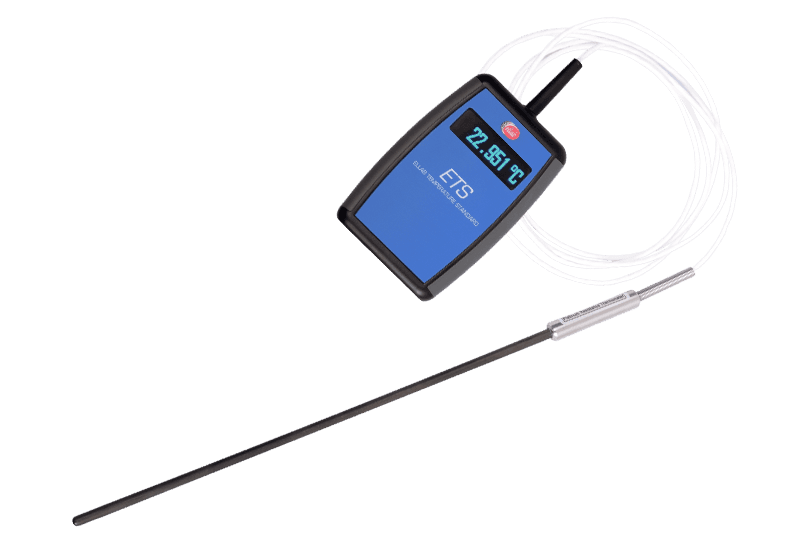
Ellab Temperature Standard (ETS)

In most applications, temperature is the most commonly measured parameter. Measuring temperature involves the use of devices such as data loggers, thermocouples or other simpler thermometers. The ideal solution for calibrating temperature sensors depends on the type of sensor.


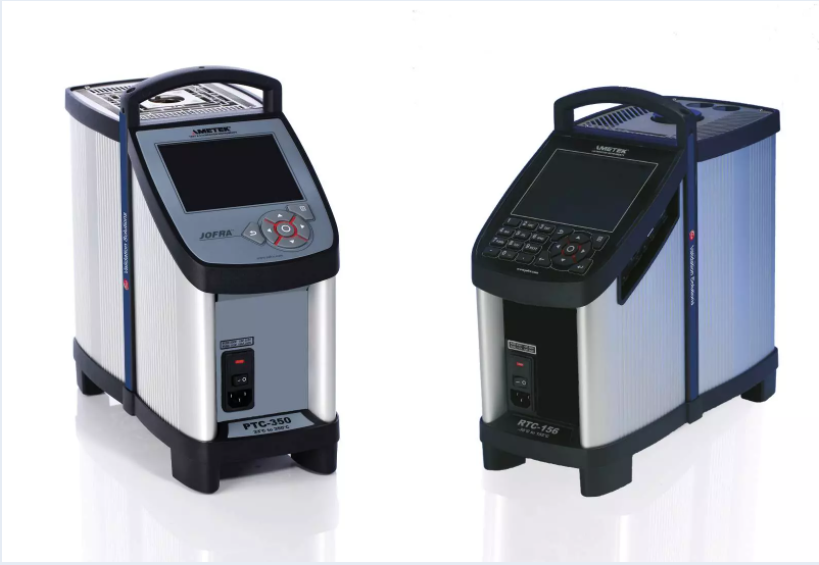
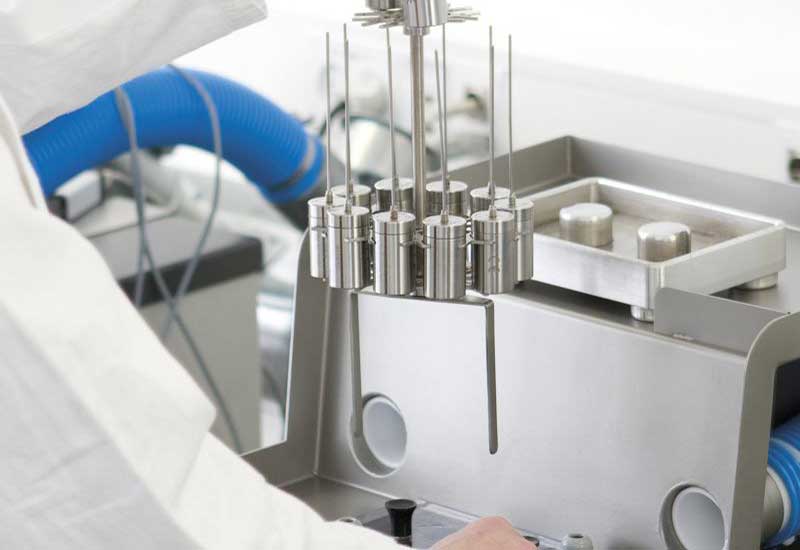
Typically, there are two types of instrument calibration equipment used for temperature sensors: drywells and tanks. Both are used in conjunction with temperature reference sensors to provide a stable temperature environment for comparison and definitional accuracy. The advantages and disadvantages of each instrument calibration method vary, depending on the type of temperature sensor to be calibrated.

Dry wells - for shorter calibration cycles

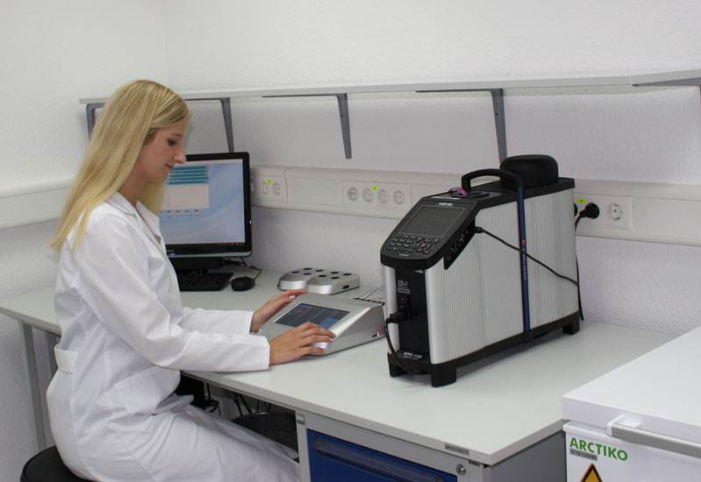
Drywell calibrations are easy to manipulate and work by heating or cooling the block to the desired temperature. Drywell calibration typically has a shorter calibration cycle because the heating and cooling processes are faster when dealing with heated/cooled air. This method is therefore more suitable for faster processes and faster temperature changes, while still providing a compact and fully mobile workstation. Since no liquids are involved, there is no risk of spills or fire hazards, which is a huge advantage when choosing a dry well calibration. Drywell calibration is particularly suitable for long, straightened sensors with a temperature range of -100°C to +700°C. The temperature range is -100°C to +700°C.

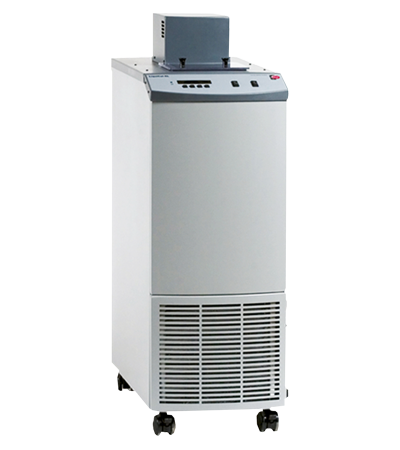
Oil Tank - Calibration for all sensor types

The oil bath provides a highly stable environment in the calibration area and high accuracy due to the liquid medium surrounding the sensor.


Temperature sensors are available for all types of sensors, including short and curved sensors. When choosing an oil bath as your calibration solution, the flexibility to calibrate the sensor regardless of its shape is one of its advantages.


For optimum use, the fluid needs to be changed regularly and a good quality fluid should be selected to achieve uniformity and stability within the calibration zone. The temperature range of the oil bath is -80℃ to +300℃.

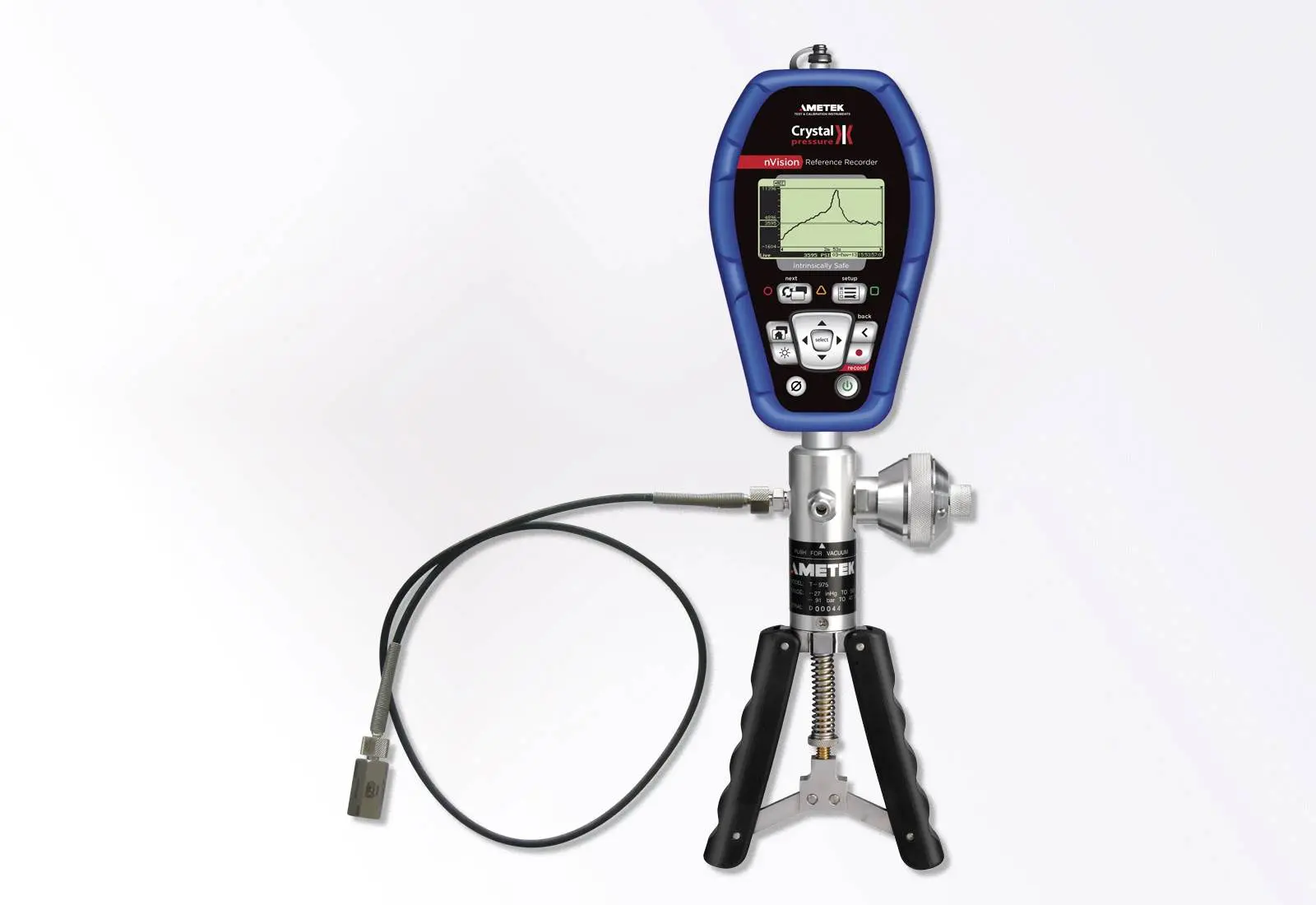
Pressure Gauge Calibration

Pressure measurements are also frequently used in a variety of applications, which makes pressure calibration very important. If your process requires pressure calibration, check out our pressure calibration solutions.


  • Calibration is a comparison between two devices, one of which is the instrument to be calibrated and the other is the reference sensor that defines the accuracy.
  • Instrument calibration is performed by using a temperature reference sensor to ensure the accuracy of the measurement equipment.
  • Due to normal wear and tear, every measuring device drifts over time and therefore requires periodic calibration.
  • Regardless of drift trends, it is important to perform calibrations to ensure consistent quality of the products produced and to confirm the reliability of the data collected through calibration.


  • The regularity of the required instrument calibration depends on the application and the environment, as a harsher environment will result in faster sensor drift than a milder environment. Measurement accuracy also plays an important role in defining the need for calibration.
  • The more precise and specific the measurement parameters are, the more important calibration becomes. Instrument calibration should always be a regular and planned part of the standard operating procedure (SOP), because if the sensor fails to measure correctly even with small deviations, this can have a crucial effect on the results.
  • In many manufacturing processes, small percentage temperature deviations can seriously affect product sterility and quality, ultimately leading to lost batches and wasted costs.


  • Although instrument calibration may seem like a time-consuming part of the manufacturing process, it is important to minimize process costs and time because the results will be more accurate and the process will be more efficient.
  • Therefore, it is strongly recommended that some level of instrument calibration be implemented in any process and industry.

Contact Hongke to help you solve your problems.

Let's have a chat