

Search

Hongke's latest articles

HongKe

Lorem ipsum dolor sit amet, consectetur adipiscing elit. Ut elit tellus, luctus nec ullamcorper mattis, pulvinar dapibus leo.

Lorem ipsum dolor sit amet, consectetur adipiscing elit. Ut elit tellus, luctus nec ullamcorper mattis, pulvinar dapibus leo.

[Hongke Insights] Pharmaceutical Export and International Expansion: How Can Cold Chain Temperature Monitoring Pass the Global Compliance Test?

As Chinese biopharmaceutical companies accelerate their expansion into global markets, “global compliance” in cold-chain transportation has become a key factor determining the success or failure of exports. This article provides an in-depth analysis of the regulatory challenges facing pharmaceutical exports, air freight safety requirements, and operational efficiency at overseas receiving points, helping you develop a cold chain monitoring solution that meets global standards.

It has become an inevitable trend for Chinese pharmaceutical companies to expand into overseas markets. From active pharmaceutical ingredients (APIs) to biosimilars, and from chemical drug formulations to CAR-T cell therapy products, an increasing number of high-quality “Made in China” pharmaceuticals are successfully entering markets in Europe, the United States, Southeast Asia, the Middle East, and Africa. However, within the cross-border logistics and supply chain, there is a core link that is easily overlooked yet can make or break the entire operation—Global Compliance with Cold Chain Temperature MonitoringThe

Unlike domestic distribution, the export of pharmaceuticals involves a complex environment where regulations from multiple countries intersect:

  1. Products must comply with the destination country's GMP / GDP Standards.;

  2. The temperature-recording equipment itself must successfully passAviation Security Screening.;

  3. Overseas recipients must be able toAccessible and convenient to readTemperature data;

  4. Cold chain data throughout the entire process must be complete and accurate, and we must be prepared to respond at any time.Regulatory Compliance AuditsThe

A flaw in any one step of the process could result in the entire shipment being rejected or returned, or even lead to serious quality disputes and legal risks.

01 | A Web of Global Regulations: Compliance Is the First Hurdle for Exporting

The primary challenge facing pharmaceutical exports stems from the varying regulatory requirements for cold chain temperature monitoring across different countries and regions:

  • U.S. FDA 21 CFR Part 11: It is explicitly stipulated that electronic temperature records used to support GMP decisions must have the same data integrity and audit trail capabilities as paper records.

  • EU GDP Guide: Temperature data throughout the entire transport process must be traceable, and monitoring equipment must be rigorously calibrated and well maintained.

  • WHO World Health Organization: Strict requirements have been established for the cold-chain transportation of vaccines and critical biological products, PQS Pre-Certification Request.

When a single batch of pharmaceuticals needs to be shipped to multiple countries or regions simultaneously, the temperature monitoring solution adopted by the company must provide global compliance coverage that meets the “greatest common divisor” standard.

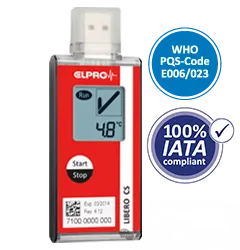
Hongke ELPRO LIBERO CB Disposable PDF Temperature Logger...From the very beginning of research, development, and design, “global compliance” has been the core objective. For pharmaceutical exporters that need to navigate both U.S. FDA audits and EU GDP inspections, a single solution is all that is needed to fully comply with regulatory standards in multiple countries:

  • Tamper-Proof Report: The PDF reports automatically generated by the device comply with the FDA’s strict requirements for electronic records and utilize patented PDF/A technology, ensuring that data cannot be modified once it has been written.

  • Internationally Recognized Certification: Awarded WHO PQS Prequalification (Code E006/022)...further validates the product's high suitability for global public health and medical cold chain applications.

02 | Air Freight Compliance: Temperature Loggers Themselves Must Never Become a Logistics Obstacle

The second—and often overlooked—practical challenge facing the cold-chain export industry stems from security screening regulations for air transport.

Traditional temperature loggers typically contain built-in lithium batteries and are therefore classified as lithium-battery-containing devices. If a device lacks a complete aviation safety certification report, it is highly likely to be classified as dangerous goods during airport security screening and denied boarding. For the export of biological products and emergency medical supplies, the time sensitivity of each batch directly impacts overseas customers’ inventory and clinical use; any shipment delays caused by equipment compliance issues represent losses that companies cannot afford.

Hongke ELPRO LIBERO Series Disposable Data LoggersPowered by a button cell battery, it complies with the relevant provisions of the IATA Dangerous Goods Regulations.

More importantly,Hongke serves as the exclusive distributor for ELPRO in ChinaEvery year, we provide free “Certificates of Conformity for Cargo Transportation” issued by the Shanghai Institute of Chemical Industry and “Air Transport Conformity Reports” issued by Beijing DGM for all LIBERO series products. These two authoritative certification reports comprehensively cover both air and sea freight, and have been highly trusted and recognized by more than 40 major airlines worldwide. They ensure that the temperature loggers themselves do not pose any obstacles to air transport, enabling your products to be loaded onto flights in full compliance with regulations and delivered on time to customers around the globe.

03 | A "Zero-Threshold" User Experience for Overseas Recipients

At the end of the export cold chain logistics process are overseas customers, hospitals, or local distributors. If temperature loggers require the installation of specialized software, the addition of a card reader, or complex configuration to export data, the barrier to use for overseas recipients will increase significantly, thereby substantially reducing acceptance efficiency.

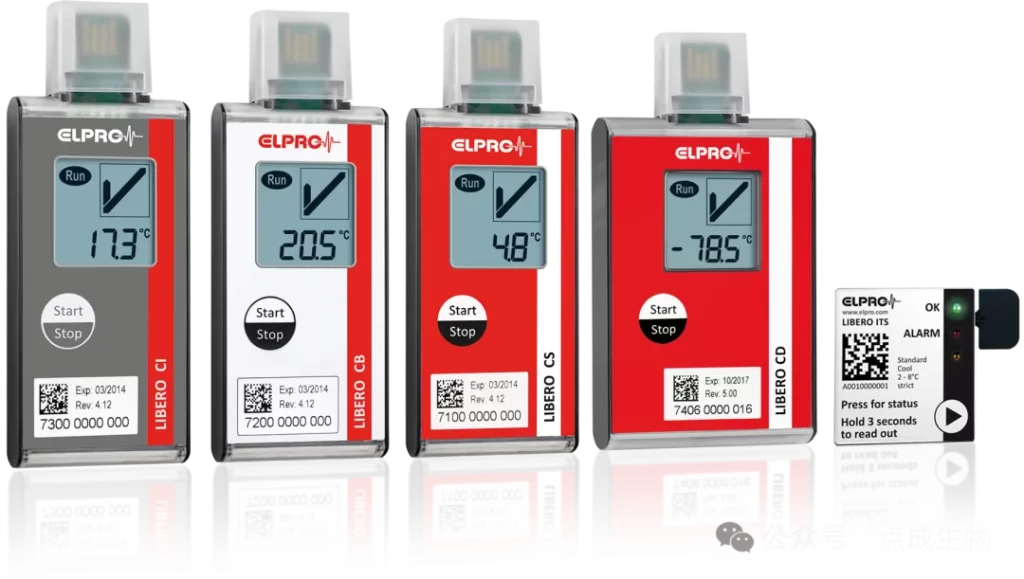
Hongke LIBERO CB Disposable PDF Temperature LoggerFeatures a "Plug-and-Play" design:

  • No installation required, no drivers needed: The recipient simply needs to plug the data logger into any computer's USB port, and the system will automatically generate a PDF temperature analysis report.

  • Zero training costs: No special software installation is required, no internet connection is needed, and no prior training is necessary.

In addition, Hongke offers a diverse product portfolio tailored to various transportation scenarios:

  • Hongke LIBERO CS: Equipped with an intuitive LCD display and an 8-level over-limit alarm function.

  • Hongke LIBERO CD: Measurement Range Coverage -90°C to +50°C, designed specifically forUltra-Low-Temperature Transport Using Dry IceDesigned for temperature monitoring during transit. Upon receiving the shipment, the recipient can immediately view the temperature history and alarm logs directly on the screen, allowing them to make an initial and accurate assessment of the shipment’s condition without having to turn on a computer.

In terms of cost control,Disposable (single-use) designThis means companies do not need to manage cross-border recycling, directly eliminating costly cross-border reverse logistics expenses and cumbersome customs clearance procedures. The equipment comes with an authoritative calibration certificate upon shipment and is ready to use right out of the box, greatly simplifying the shipping process. For pharmaceutical companies that handle hundreds of export shipments annually, this streamlined “ship-and-use, receive-and-read” model offers particularly significant advantages in terms of improving operational efficiency and reducing labor costs.

Conclusion

As Chinese pharmaceutical companies are accelerating their global expansion (expanding overseas),Global Compliance Capabilities for Cold Chain Temperature MonitoringIt has become one of the core criteria overseas customers use to evaluate qualified suppliers. Choosing the right cold chain monitoring solution not only provides a solid guarantee of pharmaceutical quality but also represents a key strategic investment for successfully entering overseas markets.

Other Articles

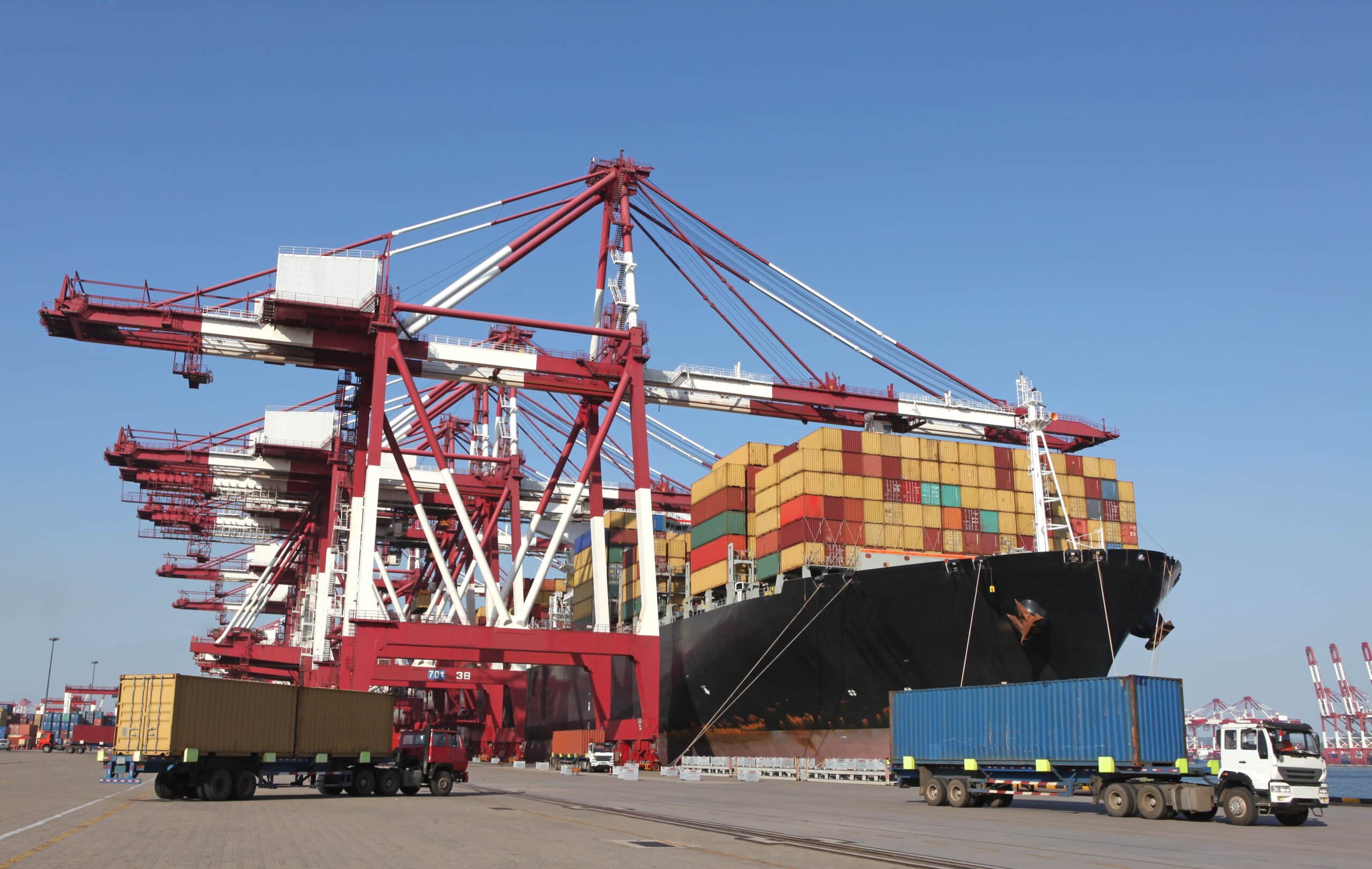
國際海運港口碼頭進行貨櫃裝卸與陸運接駁作業,展現跨境多式聯運供應鏈中的運輸風險監測場景。
Hongke Case

[Hongke Case Study] Impact Recorders Help Companies Determine Liability for Inventory Losses

How Is Liability Determined When Energy Storage Containers Are Damaged During Overseas Export? This case study provides an in-depth analysis of how a major exporter of energy storage systems deployed Hongke’s ASPION G-Log2 shock recorders with their shipments. By continuously monitoring three-axis acceleration and precise timestamps, the company cross-referenced abnormal shock events with logistics nodes in cross-border multimodal transport, precisely pinpointing severe impacts during the final leg of overseas transportation. This provided an irrefutable chain of objective data evidence, successfully resolving the crisis of overseas customer refusal to accept the shipment and high-value claims, and ensuring the smooth completion of acceptance.
Read more
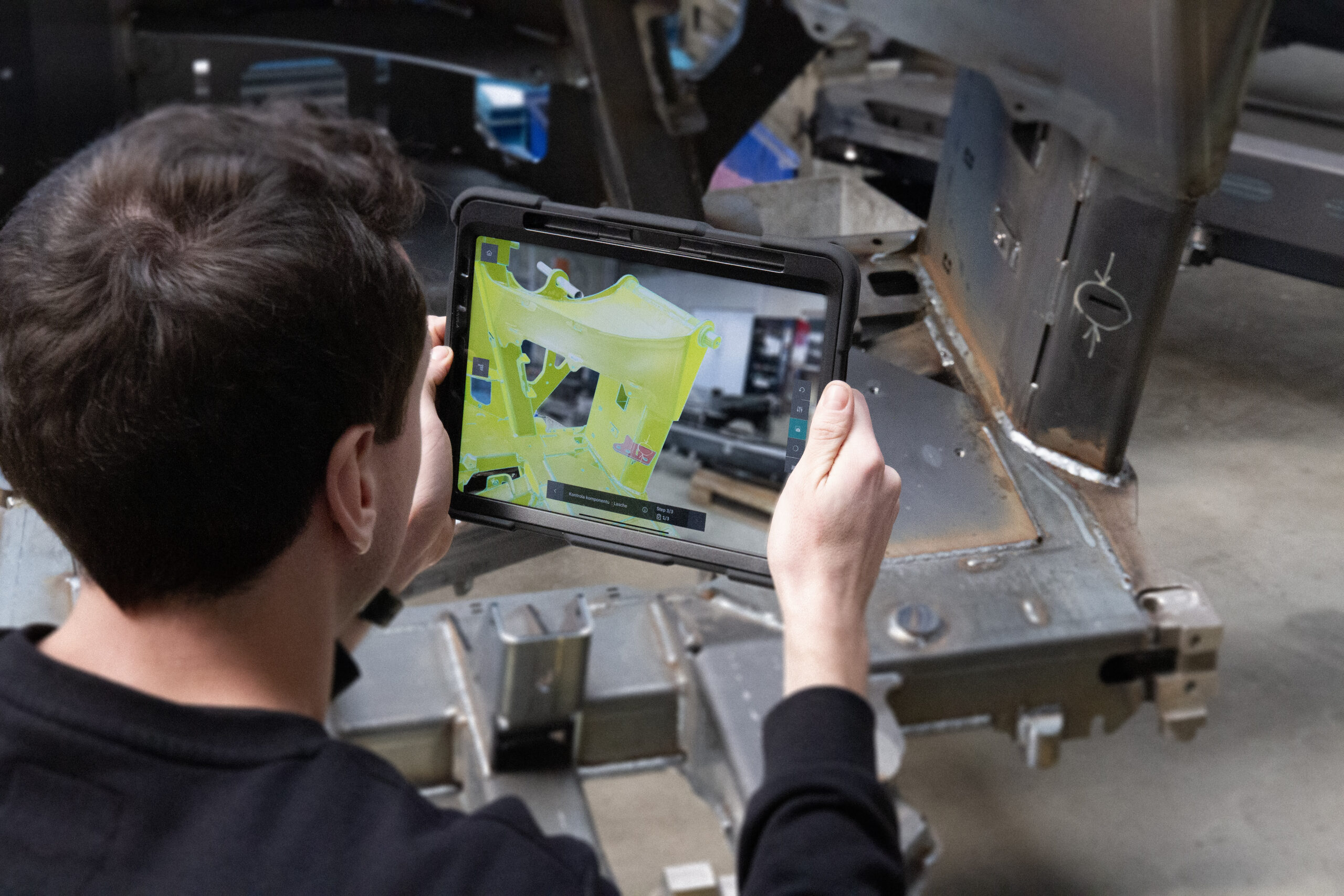
工程師使用 iPad 對焊接金屬結構框架進行 AR 視覺品質檢查,透過黃色高亮 3D CAD 疊加模型比對實物組件與工裝配置
Hongke Case

[Hongke Solution] Solution for Detecting Structural Assembly Deviations in Aviation MRO

This paper explores how the aviation maintenance, repair, and overhaul (MRO) and cabin modification industries can utilize the Twyn AR visual quality inspection platform to detect missing parts, incorrect installations, and structural assembly deviations, thereby reducing rework and improving the efficiency of aircraft maintenance quality control and compliance.

Read more
顯示霍爾木茲海峽 GNSS 干擾事件中,船舶位置跳變與圓圈異常航跡的衛星地圖
Hongke Case

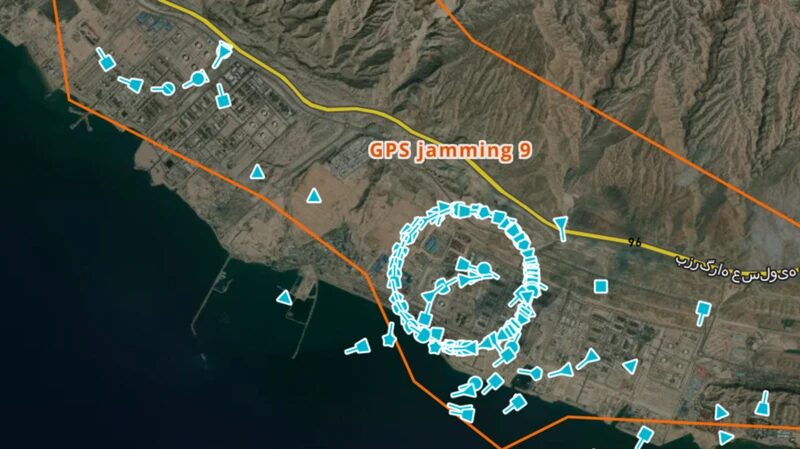
[Hongke Solutions] GNSS Simulators Respond to the Strait of Hormuz Incident

An In-Depth Analysis of the 2026 Strait of Hormuz GNSS Jamming and Spoofing Incident and the Mechanisms Underlying Satellite Navigation Signal Vulnerabilities. This article details how Hongke’s GNSS simulator testing solutions precisely replicate extreme electromagnetic suppression, relay, and generative spoofing attack scenarios in the laboratory, helping engineers evaluate receiver anti-jamming performance and comprehensively empowering the safety verification of high-precision positioning and navigation for autonomous vehicles, drones, and robotic systems.

Read more

Contact Hongke to help you solve your problems.

Let's have a chat