Search

Food Temperature and Humidity Monitoring Solutions

Temperature and humidity have a huge impact on the quality of food and beverages. Monitoring of the entire supply chain is essential for compliance and product quality.

Ensuring food safety through temperature control

During the production, storage and transportation of food products, continuous temperature control is necessary to ensure food safety. This not only ensures the quality of the product, but also protects the health and safety of consumers. Cooked or frozen foods stored and transported outside of the recommended temperature range can lead to the growth of bacteria and fungi. In order to comply with legal regulations and maintain products at the desired temperature, temperature deviations during production, storage and transportation must be alarmed and recorded as follows:

  • Record and alarm to avoid high or low temperatures or relative humidity. Both conditions are harmful to the product.
  • Documentation used to analyze and continuously improve production, storage, and transportation processes (e.g., HACCP)

What are the risks of not being able to monitor temperature well during food production, storage and transportation?

Food Safety Risks

Temperature control of food is an important measure to prevent bacterial growth and food spoilage. If the temperature of food is not monitored and controlled during production, storage or transportation, bacteria may grow, leading to food deterioration, cross-contamination of pathogenic bacteria, etc. and increasing the risk of food poisoning.

Food Quality Risks

Changes in temperature affect the taste, color, flavor and nutritional value of food. Failure to detect the storage and transportation temperatures of food products may lead to a decline in food quality, even affecting the taste experience of consumers and reducing the competitiveness of the food products in the market.

Legal Compliance Risk

In many countries and regions, the monitoring of temperature during food production, storage and transportation is a legal requirement. If a food business does not comply with these regulations, it may face fines, product recalls, reputational damage, and even warnings or closure by regulatory authorities.

Loss and Waste Risk

Failure to check temperature may result in overheating or overfreezing of food during production and storage, causing damage or deterioration of some food products and increasing the risk of loss and food waste.

How to store food correctly according to DIN 10508

The perishability of foodstuffs depends to a large extent on the temperature at which they are processed, stored and transported. The DIN 10508 standard contains precise definitions of the ideal temperature ranges for various foodstuffs during storage.

Storing food correctly not only complies with all regulations, but also allows for optimal results during its shelf life.

  • -18°C: Frozen food, frozen poultry, frozen egg products, pre-packaged ice cream
  • -12°C: Frozen food, frozen meat, frozen egg products
  • -10°C: Ice cream in portions
  • +2 to 8°C: milk, fresh meat, poultry, game, minced meat, eggs and egg products, chopped salads and fruits, baked goods with fillings
  • +10°C: ready-to-eat food, live mussels
  • +15°C: Most other packaged foods and breads are best stored in a cool, dry place away from light.
  • +65°C: Hot ready-to-eat food
  • Fresh vegetables, whole fruits and cut fruits require very different storage temperatures.

How temperature monitoring should be done

Equipment Monitoring

Use professional temperature monitoring equipment, such as high quality temperature recorders, to regularly monitor and calibrate freezing equipment, heating equipment, ovens, etc. in food production.

Environmental Monitoring

Continuously monitor and record temperatures in the production environment, including production workshops, storage rooms, and refrigerated warehouses, to ensure that environmental temperatures meet food safety and quality standards. Establish a comprehensive monitoring system.

Temperature monitoring of ingredients

Monitor the temperature of ingredients during the food production process. Ensure that the temperature of raw materials and semi-finished products during the production process meets the requirements to avoid bacterial growth and food spoilage.

Cold Chain Management

Strict temperature control of cold chain links during food storage and transportation. Temperature loggers are used to monitor the temperature of refrigerated vehicles, chilled equipment and freezers to ensure that food products are maintained at the proper temperature throughout the supply chain.

Temperature Verification

Conduct regular temperature distribution verification of equipment, warehouses, storage rooms, etc. to ensure that they have good temperature control performance.

Temperature Alarm System

A temperature alarm system is installed to provide timely warning when the temperature exceeds the safe range. This allows for timely detection of problems and the adoption of measures to avoid food damage and safety issues.

Hongke ELPRO offers you comprehensive solutions for food production, storage and transportation.

Temperature and humidity monitoring

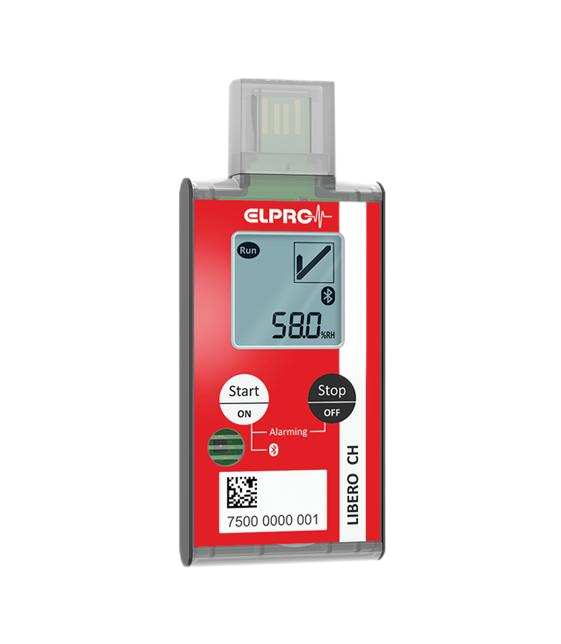
HK-LIBERO CH

  • PDF/Bluetooth Data Logger
  • GAMP compliant
  • FDA 21 CFR Part 11 compliant
  • Temperature and humidity
  • Configuration via USB or Bluetooth (mobile app)
  • Reading via PDF report or Bluetooth (mobile app)
  • Battery life 2-3 years
  • Free calibration certificate
  • Upgrade to ISO 17025 calibration
  • Detailed analysis using elproVIEWER
  • Compatible with liberoMANAGER
  • IQ OQ templates for easy validation at the customer site

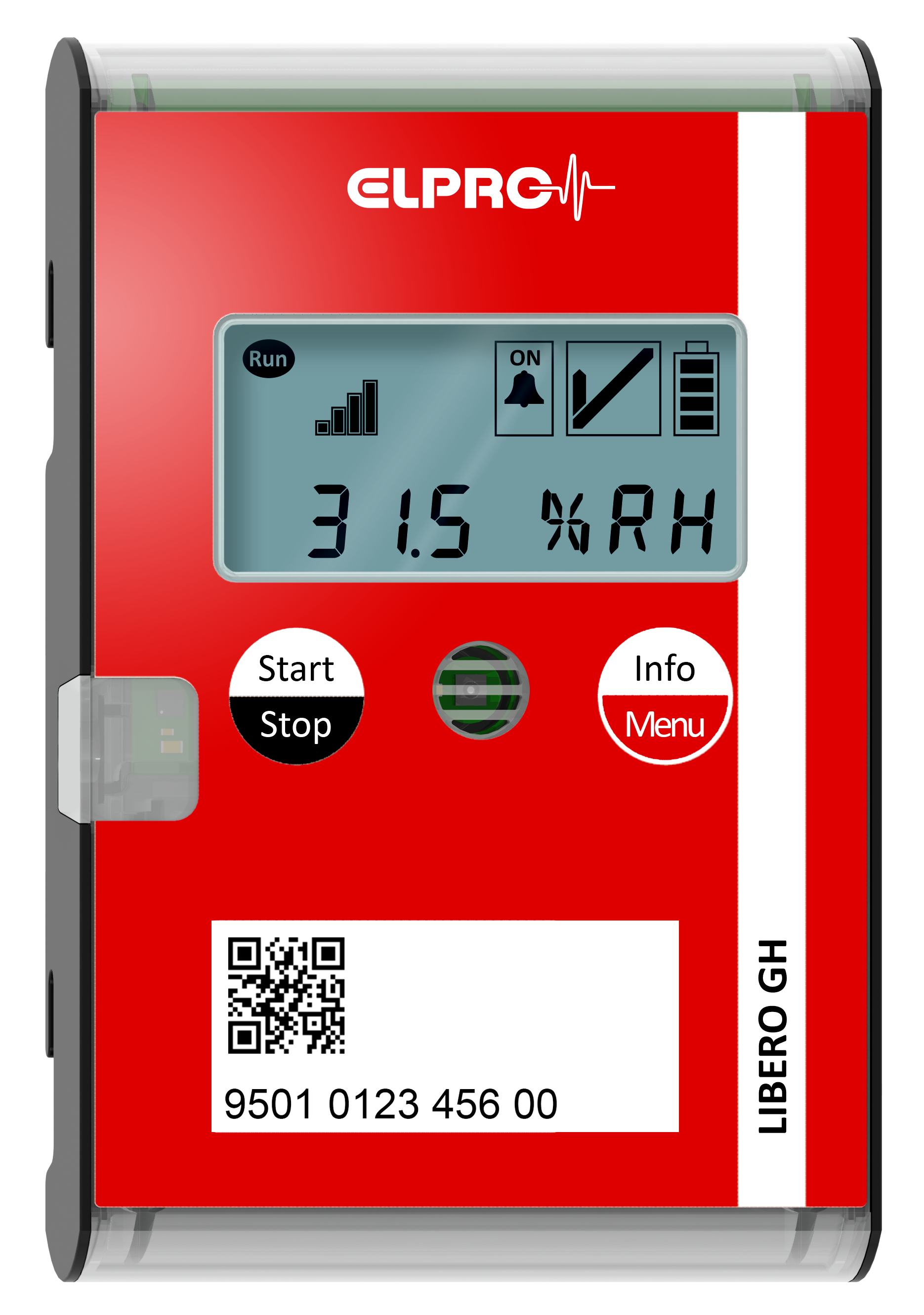
HK-LIBERO GH

  • Real-time data logger
  • GAMP compliant
  • FDA 21 CFR Part 11 compliant
  • Temperature, humidity and location
  • Configuration via web interface
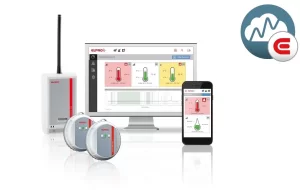
  • Real-time automatic readout and alarms via elproCLOUD
  • 14 months of battery life
  • Free calibration certificate
  • Upgrade to ISO 17025 calibration
  • Detailed analysis using liberoMANAGER
  • Compatible with liberoMANAGER
  • IQ OQ templates for easy validation at the customer site

Wireless Sensor HK-1THR

  • Wireless sensors
  • GAMP compliant
  • FDA 21 CFR Part 11 compliant
  • Temperature and humidity
  • Configurable via web interface
  • Real-time automatic readout and alarms via elproCLOUD
  • Replaceable batteries
  • Free calibration certificate
  • Upgrade to ISO 17025 calibration
  • Detailed analysis using elproCLOUD
  • Compatible with elproMONITOR
  • IQ OQ templates for easy validation at the customer site

Temperature Monitoring

HK-LIBERO CL

  • PDF/Bluetooth Data Logger
  • GAMP compliant
  • FDA 21 CFR Part 11 compliant
  • Temperature
  • Setup via USB or Bluetooth (phone app)
  • Read via PDF report or Bluetooth (mobile app)
  • Battery life 2-3 years
    Free calibration certificate
  • Upgrade to ISO 17025 calibration
  • Detailed analysis using elproVIEWER
  • Compatible with liberoMANAGER
  • IQ OQ templates for easy customer validation

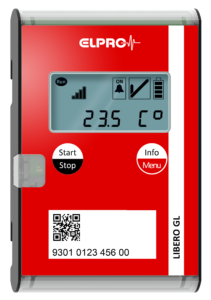
HK-LIBERO GL

  • Real-time Data Logger
    GAMP compliant
  • FDA 21 CFR Part 11 compliant
  • Temperature -200°C and position
    Configuration via web interface
  • Real-time automatic readout and alarms via elproCLOUD
  • 14 months battery life
    Free calibration certificate
  • Upgrade to ISO 17025 calibration
  • Detailed analysis using elproCLOUD
  • Compatible with liberoMANAGER
  • IQ OQ templates for easy validation at the customer's site

Ambient Temperature and Humidity Monitoring Wireless Door Kit

  • Wireless Sensor
  • PDF Monthly Report
  • Calibration Sensor
  • Integrated Data Storage
  • Alarm Panel
  • Real-time automatic readout and alarms via elproCLOUD
  • Replaceable Battery
  • Free calibration certificate
  • Detailed analysis using elproCLOUD
  • Compatible with elproMONITOR
  • lIQ OQ templates for easy confirmation at the customer site

Completion of aviation safety certification for safe air transportation

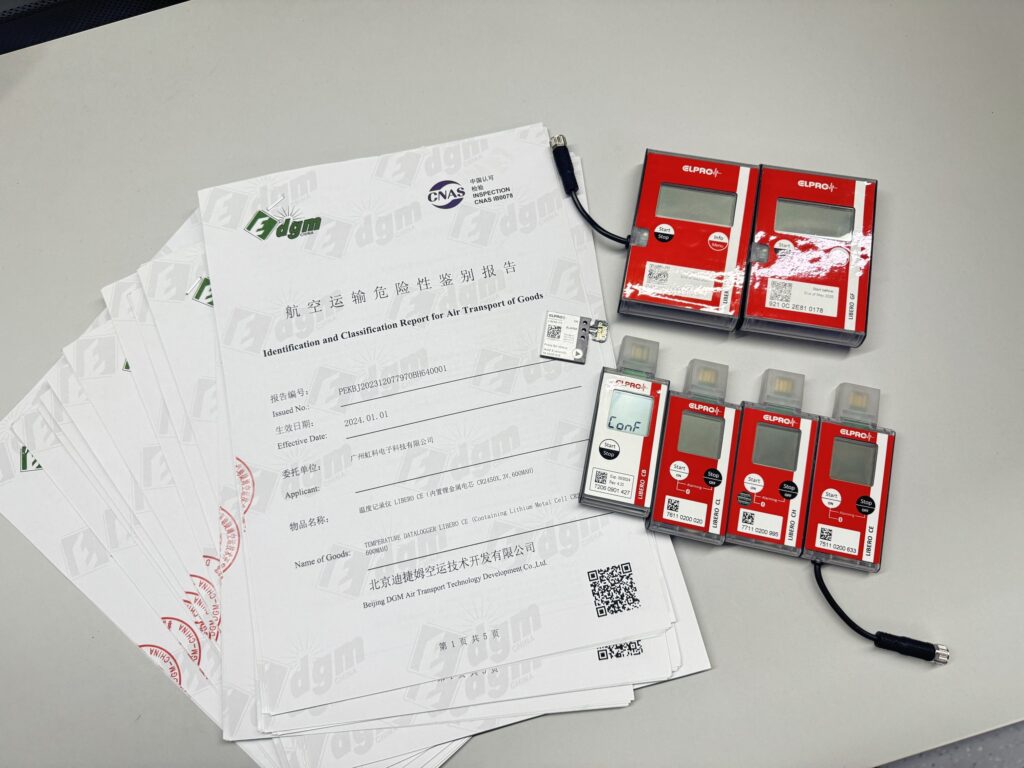
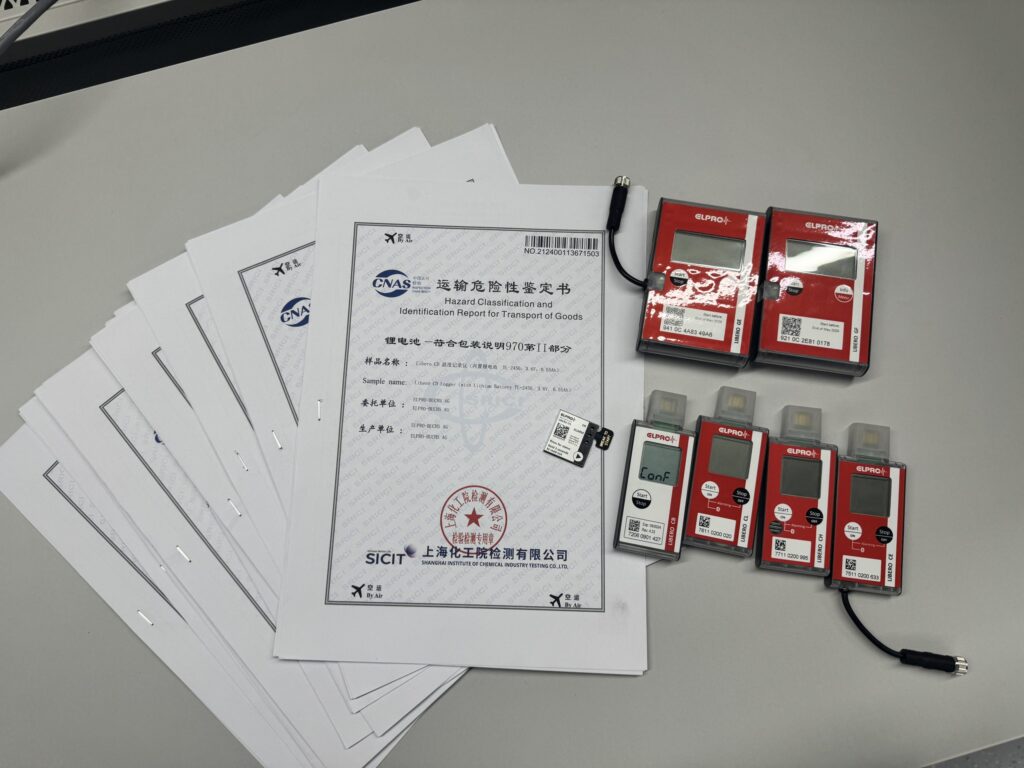
All the above temperature recorders/indicators supplied by Hong Kong Hongke for vaccine transportation are powered by button cell batteries, compliant with IATA regulations, and are certified as safe for air transportation by Shanghai Institute of Chemical Technology (SICT) for Cargo Transportation Condition Identification (CTCI) and Beijing DGM Air Transportation Hazard Identification Report (ATHIR) Dietzem, which is the first of its kind in the world to be issued by a governmental agency.

Shanghai Chemical Industry Institute

Contact Hongke to help you solve your problems.

Let's have a chat