



Search

Hongke's latest articles

HongKe

I. Introduction: Strategic Changes at the Data Layer under the Critical Infrastructure Legislation

Add your title text here

[Hongke Solutions] How Should Small and Medium-Sized Projects Choose SCADA Software?

In projects such as equipment networking, production monitoring, and facility management digitization, SCADA software is responsible for field data acquisition, operational status monitoring, alarm management, and data visualization.
When selecting a system, small- and medium-sized projects often face a dilemma: if the system is too basic, it cannot meet monitoring requirements; but implementing a large-scale SCADA platform requires a significant initial investment, complex configuration, and long-term maintenance.
So, which factors should we consider first? How can we meet our needs while keeping implementation and maintenance costs under control?
虹科 CODRA Panorama Essentials 輕量化 SCADA 方案橫幅,工程師於機房使用平板電腦進行廠務監控

I. Clarify Requirements First: What SCADA Features Are Actually Needed?

Choosing software isn't just about comparing feature lists. First, ask yourself: What problem does this project need to solve?
Equipment monitoring, production line monitoring, or small-scale plant operations management can typically be evaluated based on the following four points.

1. Data Acquisition and Device Communication

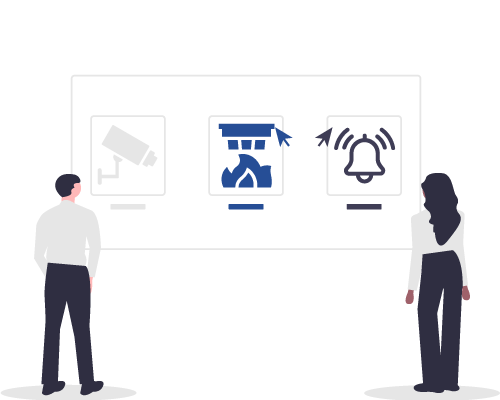
SCADA 系統警報管理與安全監控:CCTV 監視器、火警防護與警報通知共享
The SCADA system must communicate with field PLCs, controllers, and other automation equipment to obtain equipment status, process parameters, and related data.
When selecting a model, there are two things to confirm:Are the communication protocols supported by the software compatible with existing equipment?as well asHow many devices will actually be connected to the project, and how many data points will be collected?The
For projects with a concentrated range of device types and clearly defined communication requirements, selecting a lightweight solution that covers exactly the required protocols can save a significant amount of unnecessary configuration work.

2. Real-Time Monitoring and Alarm Management

Simply collecting data is not enough. Operators must also rely on monitoring screens to keep track of equipment status, key parameters, and anomalies, and respond promptly to alarms.
Please evaluate whether the software supports your actual manufacturing process requirements.Screen Configuration, Real-Time Data Display, Alarm Management, and Historical Trend QueriesThe

3. Multi-user Access and Information Sharing

When monitoring is no longer limited to a single workstation, maintenance, production management, and other relevant personnel may need to view operational data.
If a separate client must be installed on each device, or if a license fee is charged for each additional user, project costs will rise in tandem as the scope of use expands.
When selecting a model, start by asking:Who needs to view the data? Is browser access required? Will additional staff be needed in the future?

4. Future Expansion and Maintenance

Project delivery does not mean the end of the software lifecycle. As equipment is added, processes are adjusted, or the scope of monitoring is expanded, the system must be modified accordingly.
Choose a setSoftware developed in a mature environment that is easy to modify and maintain...which can reduce the amount of work required for subsequent adjustments and also lessen the project's reliance on a single developer.

II. SCADA Project Costs: Why It’s More Than Just Software Procurement Costs

If you focus only on the initial quote, it’s easy to overlook the hidden costs associated with implementation and long-term operation. The following four areas deserve the most attention:
中小型項目 SCADA 選型評估:平衡軟件功能、授權點數與實施成本數據分析

1. Software Licensing and Feature Configuration

Licensing models for SCADA products vary widely; common restrictions include the number of data points, communication protocols, the number of clients, and feature modules.
If you don't think this through carefully at the outset, you may incur additional licensing fees later on when adding users, expanding your infrastructure, or enabling new features.
Recommendations: In the initial phase, assess the scale of data points, protocol requirements, the number of web users, and necessary features, and prioritize solutions with clear licensing terms that meet actual needs.

2. Engineering Development and Project Deployment

SCADA project implementation generally includes device communication configuration, screen development, alarm setup, system debugging, and on-site validation.
Whether the development environment is comprehensive and whether its configuration aligns with the team’s technical capabilities directly impacts efficiency. If development tools must be purchased separately, or if even standard features require extensive customization, actual costs can easily exceed the budget.
Recommendations: Check whether the software includes the necessary development configuration tools and whether screen design, alarm configuration, and application tuning can all be completed within the same environment.

3. Multi-Device Access and Everyday Use

For projects that require cross-departmental data sharing, the client-side authorization method directly determines how widely the monitoring system can be deployed.
For example: On-site operators need to monitor the screen continuously, while maintenance personnel only use a browser to check alarms when equipment malfunctions. If each user requires individual authorization, the cost of implementation would increase significantly.
Recommendations: Evaluate Web client access methods and authorization restrictions based on actual scenarios, ensuring that monitoring information reaches the people who truly need it.

4. System Maintenance and Future Upgrades

Equipment status, process parameters, and alarm logic are adjusted as production requirements change.
Whether the software is easy to modify and has a clear maintenance mechanism determines the level of ongoing investment after delivery. If there is a possibility of adding equipment or expanding the application in the future, it is important to understand the path for expansion in advance to avoid being forced to re-evaluate your options at a later stage.
Recommendations: Consider licensing, development, deployment, scalability, and ongoing maintenance within the same evaluation framework, rather than focusing solely on the purchase price.

III. What Is a Lightweight SCADA System: Which Projects Are Suitable for Its Use?

A lightweight SCADA system does not mean it can only display simple data, nor is its "lightweight" nature determined solely by the software's size or the number of features it offers.
The key point is:Can the software provide a set of features that is appropriately tailored to surveillance needs of a specific scale?—Retain professional industrial monitoring capabilities while eliminating unnecessary configuration and licensing complexities.
In the following scenarios, lightweight solutions should be given priority:
  • Equipment and Production Line Monitoring: Collects operational data from equipment, displays key status and parameters, and uses alerts to help identify anomalies.
  • Small and Medium-Sized Factories and Plant Operations Management: Centralized monitoring of water, electricity, gas, and environmental data to track operational status.
  • Multi-Position Web Monitoring: Operations, maintenance, and management personnel can access the information they need via a web browser, reducing their reliance on fixed terminals.
  • System Integration Projects: When the equipment type, communication protocol, and monitoring scope are clearly defined, use standardized configurations to simplify evaluation and implementation.
Of course, if a project involves complex multi-site architectures, large-scale historical data management, MES integration, or broader system-level functionality, you should revisit the evaluation of a full-featured SCADA platform and its associated modules.
The key to selecting the right solution is not to minimize functionality, but to ensure that the software's capabilities align with the project's scope, requirements, and long-term plans.

IV. Panorama Essentials: A SCADA Solution for Small and Medium-Sized Projects

To address the comprehensive needs of small- and medium-sized industrial monitoring projects in terms of specialized functionality, deployment efficiency, and cost control, Hongke CODRA has launched Panorama Essentials, a lightweight SCADA solution.
The solution is built on Hongke’s Panorama Suite industrial monitoring platform. With its clear product configuration, it integrates the development and monitoring capabilities commonly used in small- and medium-sized projects into a single platform, allowing customers to experience the high-end quality and security of a large-scale SCADA platform with a lower barrier to entry.
Its main features include:

1. There is no limit on the number of web clients

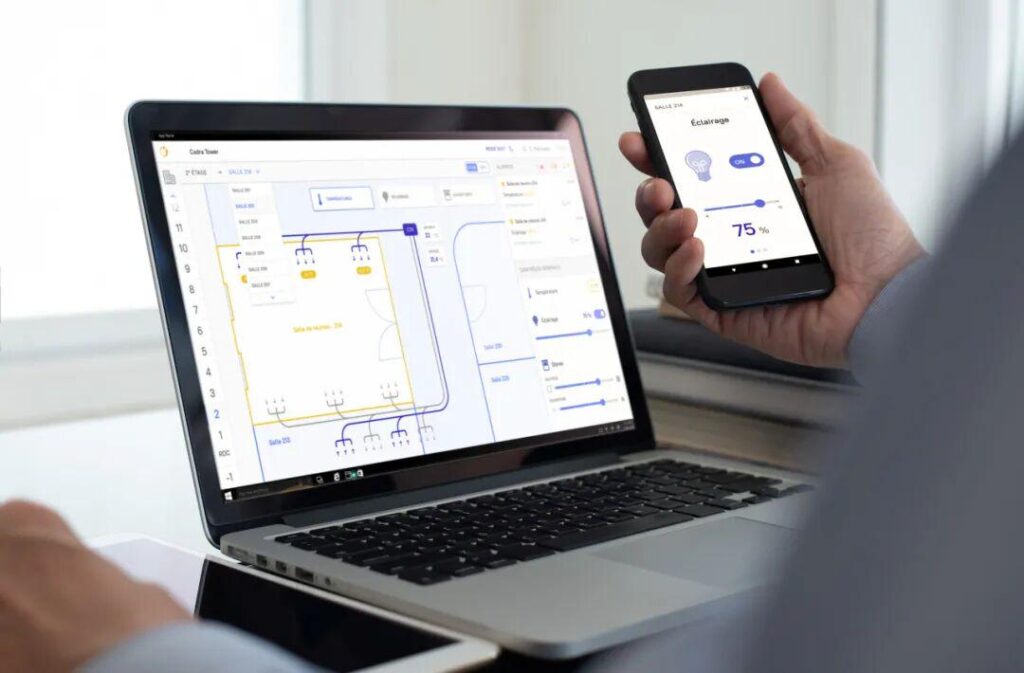
工程師使用筆記型電腦與智慧型手機,透過 Web 瀏覽器跨終端存取監控系統
The solution supports an unlimited number of web clients, making it easy to provide monitoring information to users in different roles.
For projects that require cross-departmental access to equipment status, alarm information, or operational data, this licensing model reduces the licensing costs associated with adding new web users and provides flexibility for expanding information sharing in the future.

2. Supports up to 25,000 data tags

The solution supports up to 25,000 data tags, which is sufficient for small- and medium-sized SCADA and plant monitoring projects. It is suitable for projects with a relatively well-defined scope and allows users to organize equipment data, operating parameters, and monitoring screens according to their actual needs.
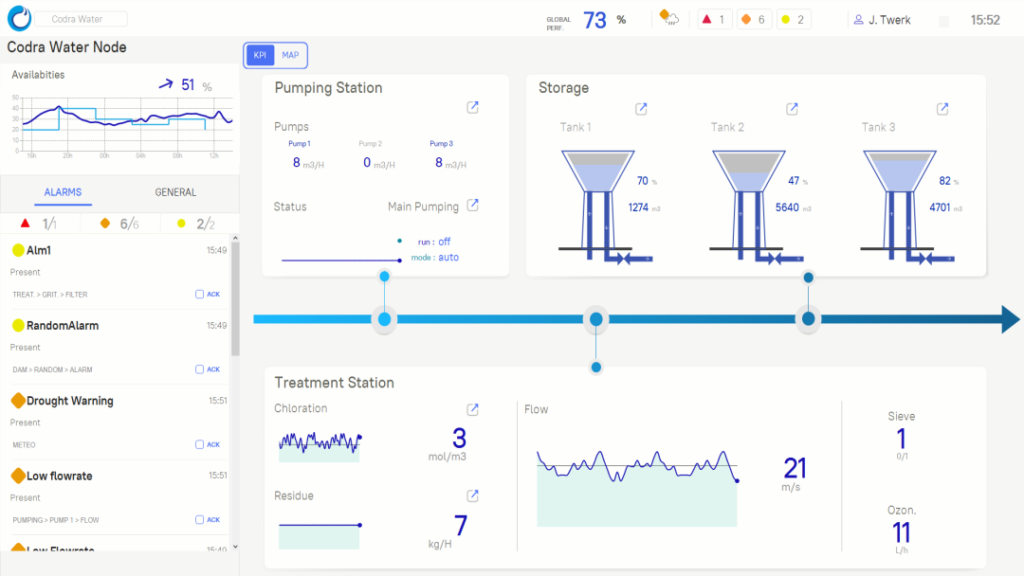
虹科 Panorama SCADA 水務與廠務監控系統介面,展示抽水站狀態、水塔儲量與加氯流量指標

3. Includes a development environment

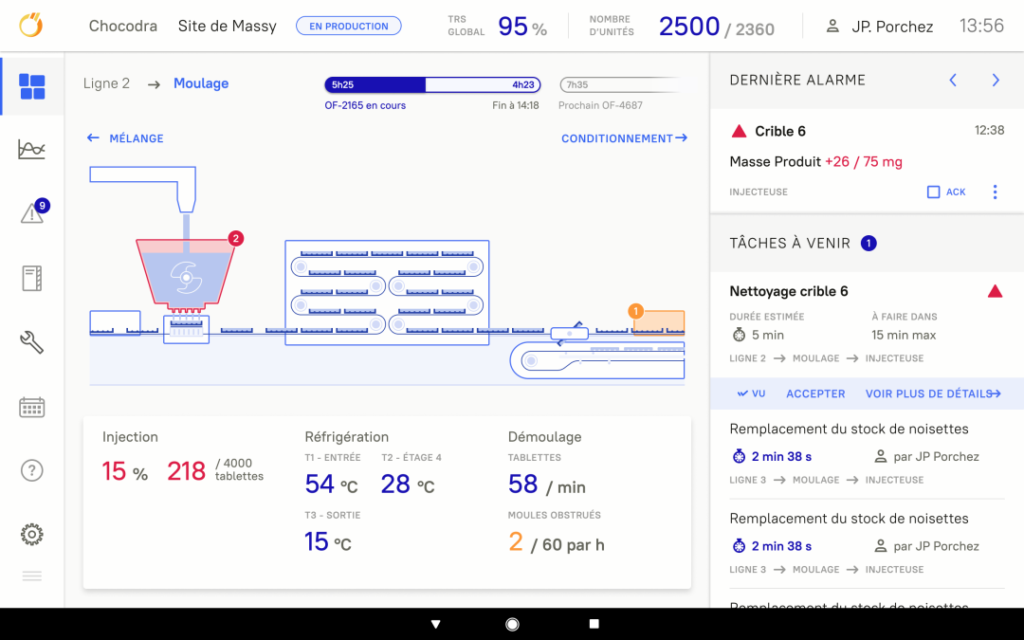
虹科 SCADA 軟件生產線 Web 實時監控介面,展示機器混合、冷卻與脫模即時數據與警報管理
The solution includes the full suite of Panorama Studio development tools, which can be used directly to design and develop monitoring screens, alerts, and web views—eliminating the need to purchase a separate development environment license and reducing project costs.
Project teams can develop applications and make subsequent adjustments as needed, eliminating the need for complex development tool configurations.

4. Supports two mainstream communication protocols

Modbus 工業通訊協定標誌,虹科 Panorama Essentials 輕量化 SCADA 原生支援通訊協定
The solution supports two mainstream industrial protocols—OPC UA and Modbus—and is suitable for projects with specific equipment connectivity requirements.
When selecting a model, you must verify in advance whether the protocols used by the on-site PLCs, controllers, and other equipment are compatible with the solution configuration.

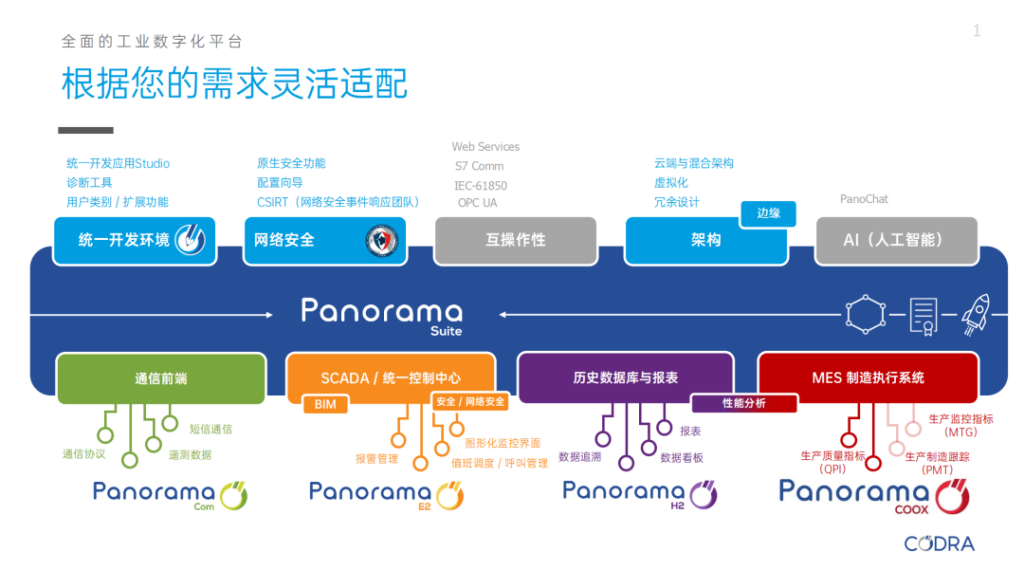
5. Maintain the technical foundation of the Panorama Suite platform

虹科 Codra Panorama Suite 全面工業數碼化平台架構圖,涵蓋 Panorama Com 通信、E2 SCADA、H2 歷史數據庫及 COOX MES 系統
Essentials should not be viewed as a standalone tool designed solely for simple data visualization; rather, it is a lightweight solution within the Panorama Suite product family.
For users who want to use professional SCADA software but don’t want to purchase too many unnecessary features for their current project, it offers another cost-effective option.
Given the features described above, if you have the following requirements, you may want to give special consideration to Hongke’s Panorama Essentials lightweight SCADA solution:
 
  • Manufacturing projects that require centralized monitoring of multiple devices or a production line;
  • Small and medium-sized factories that need to collect and display plant operations data;
  • A project that aims to share monitoring information across multiple positions via a web browser;
  • We hope to manage system integration projects while maintaining our professional SCADA development capabilities and keeping the complexity of licensing and implementation under control.
For projects where the number of devices, the scale of data points, communication protocols, and access methods are well-defined, Essentials can help teams plan their software configuration and budget more clearly.
If a project requires complex historical data analysis, a multi-tier system architecture, or extended capabilities such as MES, consider the Panorama Suite industrial digitalization platform and its related modules to select a product portfolio that best meets the project’s specific needs.

Conclusion

When selecting SCADA software, it is important to consider not only the monitoring functions to be implemented at present, but also how the system will be deployed, who will need access to the data, and how it will be maintained and expanded in the future.
For small- and medium-sized industrial projects, the right solution must strike a balance between feature coverage, licensing models, development and deployment, and ongoing maintenance—with the focus on ROI rather than the one-time purchase price.
Hongke Panorama Essentials A lightweight SCADA solution that supports up to 25,000 data tags, an unlimited number of web clients, and two industrial protocols—OPC UA and Modbus—offering a cost-effective option for applications such as equipment monitoring, production line monitoring, and facility management.
 

If you are planning a project involving equipment connectivity, production process monitoring, or plant operations data visualization,Please feel free to contact Hongke,Inquire about SCADA solution design and one-on-one technical consultations.

Other Articles

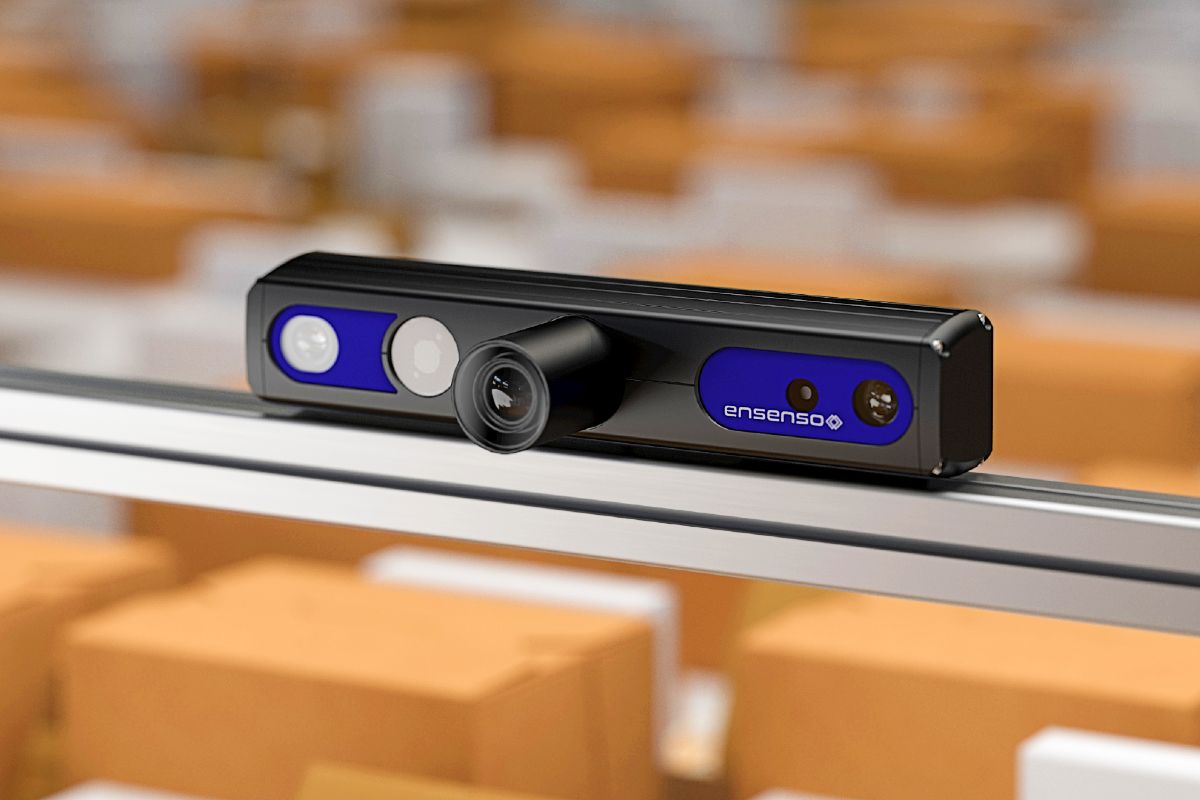
虹科 VST Ensenso C 高精度彩色 3D 相機,架設於自動化包裝與物流傳送帶環境
Hongke Dry Goods

[Hongke Products] Ensenso C High-Precision Color 3D Camera

Discover the Hongke VST Ensenso C compact, high-precision color 3D camera system, which integrates a 2D RGB sensor and a powerful 200W projector, supporting a 5-meter working distance and 0.1-millimeter accuracy at a distance of 1 meter. With its pre-assembled IP65/67-rated design, it effortlessly enables robotic bin picking, logistics palletizing, and AI image analysis.

Read more
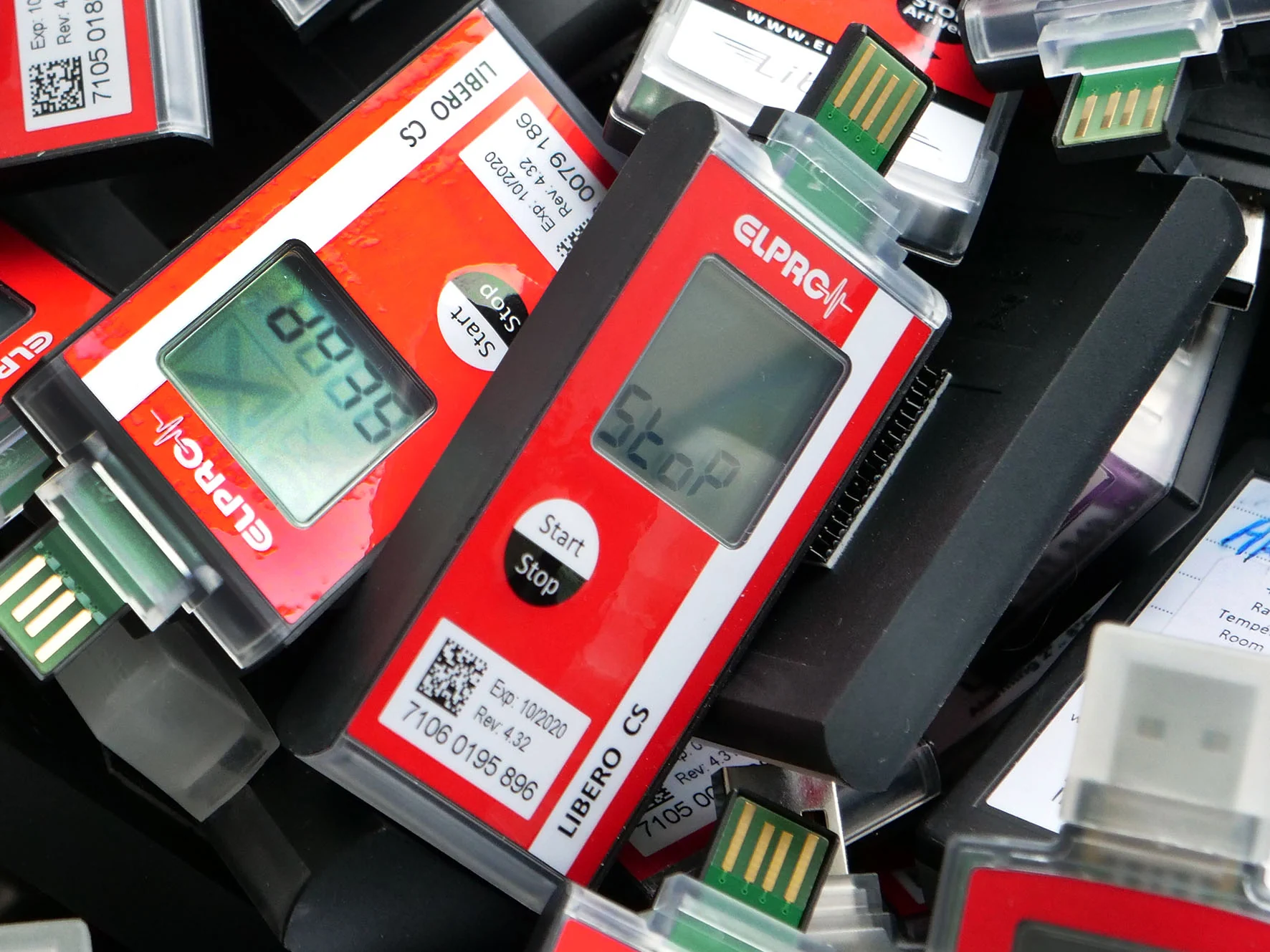
虹科 ELPRO LIBERO CS 一次性 PDF 溫度記錄儀,顯示 LCD 螢幕與 USB 介面特寫
Hongke Case

[Hongke Case Study] Zero-Error Temperature Logging: Cold Chain Compliance Practices for Exporting IVD Reagents

How can companies ensure cold chain compliance and zero-error temperature logging when exporting in vitro diagnostic (IVD) reagents? An analysis of the successful application of Hongke’s LIBERO CS disposable PDF temperature logger in refrigerated transport at 2–8°C. Featuring high precision of ±0.4°C, certification reports for air and sea transport from DGM and the Shanghai Institute of Chemical Industry, and USB data export without the need for software, this solution helps Chinese medical device companies overcome challenges related to overseas compliance and customs clearance. Read the full case study now!

Read more

Contact Hongke to help you solve your problems.

Let's have a chat