
【虹科方案】把合規訓練做成「可量化防線」:以 KnowBe4 串起安全意識+合規培訓全鏈路
在數碼轉型與監管要求日益提升的背景下,企業若仍將合規培訓與資訊安全意識培訓分開管理,往往難以真正降低人為風險。KnowBe4透過模擬釣魚測試、安全意識培訓及Compliance Plus合規培訓庫,建立「測試、培訓、再測試、數據回饋」的閉環管理模式。企業可藉此把合規課程與資安訓練整合為端到端培訓治理,建立可量化、可追蹤、可稽核的合規培訓體系。
Lorem ipsum dolor sit amet, consectetur adipiscing elit. Ut elit tellus, luctus nec ullamcorper mattis, pulvinar dapibus leo.
We are in the midst of a new wave of unprecedented medical innovation. Modern medicine offers solutions to many diseases that were once considered difficult to cure or manage. For example, in the rapid development of the COVID-19 vaccine, the global medical science community has demonstrated an astonishing rate of progress that exemplifies the high level of advancement in medical technology today.
In reality, however, the transportation and storage of pharmaceuticals still faces many challenges. A large number of drugs are extremely sensitive to temperature changes and require strict temperature management to maintain their effectiveness during transportation and storage. In this article, we will discuss the best practices and methods for securing temperature-sensitive pharmaceuticals during transportation and storage.
When taking medication, many people only pay attention to whether the medication has expired or not, but neglect the fact that "temperature" is actually a key factor affecting the quality and efficacy of medication. Temperature is an indicator of molecular activity (e.g., molecular vibration), and the quality and chemical stability of drugs are affected by temperature changes.
For example:
After the primary packaging (e.g., ampoule, vial, prefilled syringe) is complete, temperature becomes a major risk factor for the quality of the drug. For many temperature-sensitive drugs, even a slight increase or decrease in temperature above or below the standard temperature is enough to cause a decrease in efficacy or even complete failure of the drug, preventing it from achieving its therapeutic purpose.
When exploring the temperature sensitivity of drugs, we will find that both general drugs and highly complex biologics have a common characteristic - "high sensitivity to temperature change".
Even if the appearance of a drug is seemingly unchanged, irreversible changes in the chemical structure or a decrease in biological activity may occur at unsuitable temperatures, ultimately affecting the efficacy of the drug and even jeopardizing patient safety. This is especially true for refrigerated and frozen drugs.
Refrigeration prevents degradation, chemical changes or loss of potency, especially for products that are highly sensitive to temperature fluctuations, such as vaccines, insulin and some antibiotics.
High temperatures can damage the molecular structure, resulting in protein denaturation or reduced stability. Freezing allows the drug to enter a "dormant" state, effectively delaying the loss of activity.
Drug sensitivity is affected by two main factors:TimeandTemperatureMost drugs have a limited shelf life. Most drugs have a limited shelf life and require rapid transportation and proper storage under strict temperature control to avoid loss of potency.
1️⃣ Transportation
Clinical trial drugs often require refrigeration, freezing, rapid freezing/thawing, or special packaging to ensure the safety and efficacy of the transportation process. Temperature monitoring is a critical aspect of transportation and common methods include:
Smart Indicator
Temperature stickers, electronic labels or sensors allow real-time monitoring of temperature changes during transportation.
Its simple design helps to improve monitoring efficiency and reduce manual recording.
Long-term Electronic Indicator
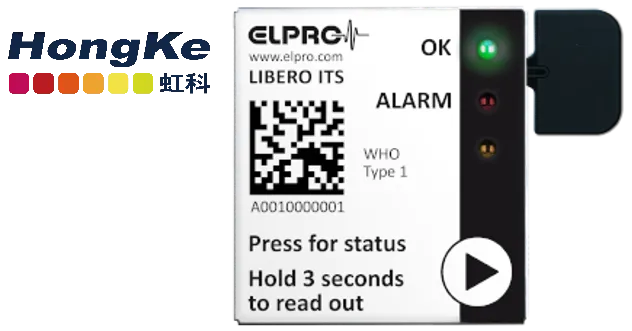
Such indicators allow continuous monitoring of temperature deviations throughout the product lifecycle (e.g. 1-3 years), e.g. LIBERO ITS uses a long-term monitoring mechanism, which allows for a more efficient allocation of the drug's "stability budget".
2️⃣ Storage
Refrigerator or freezer temperature monitoring
Upon arrival of the clinical trial drug, strict temperature control is required to ensure the safety of the drug for patients.
Appropriate temperature monitoring systems provide real-time audible and visual alarms and data logging.
3️⃣CRO Clinical Research Organization
If your team manages a large number of dispersed repositories or is constantly faced with data tracking challenges, CROs can provide clinical organizations with the Iris ELPRO solution.
The advantages of using the LIBERO series for monitoring:


在數碼轉型與監管要求日益提升的背景下,企業若仍將合規培訓與資訊安全意識培訓分開管理,往往難以真正降低人為風險。KnowBe4透過模擬釣魚測試、安全意識培訓及Compliance Plus合規培訓庫,建立「測試、培訓、再測試、數據回饋」的閉環管理模式。企業可藉此把合規課程與資安訓練整合為端到端培訓治理,建立可量化、可追蹤、可稽核的合規培訓體系。

Anglo-Eastern Ship Management 是一家管理超過750艘船舶的全球船舶管理公司。面對分布在世界各地的32000多名海員和不斷增長的網絡攻擊風險,公司通過部署 KnowBe4 HRM+ 安全意識培訓平台,實施持續的員工網絡安全教育和模擬釣魚測試。僅用一年時間,員工釣魚攻擊易感率從60%降至5%,培訓完成率超過90%,員工每天主動上報約200封可疑郵件。

隨著《歐盟人工智能法案》(EU AI Act)逐步落地,AI治理正在從企業自律走向強制合規。根據法案第4條要求,AI系統的提供者和使用者必須采取措施確保員工具備足夠的AI素養(AI Literacy)。企業需要通過分層培訓體系、角色化課程設計以及持續追蹤機制,將AI知識轉化為可執行的合規流程。