
Search

CAN/CAN FD/LIN BUS

Long Distance Communication Solutions

In modern automotive electronics, industrial automation and aerospace applications, where the requirements for communication reliability and transmission distance are constantly increasing, CAN (FD) buses are widely used as an important communication technology.

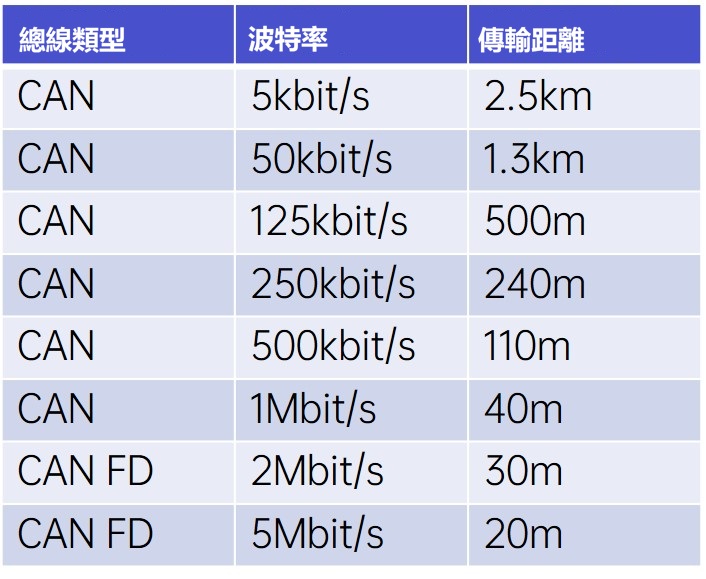
However, in large-scale factories, decentralized systems and remote monitoring scenarios, the communication distance of traditional CAN (FD) buses is limited. In order to meet the practical application requirements, the research and realization of CAN (FD) bus long-distance communication technology has become an important topic. With the increasing demand for remote communication in the intelligent development of automotive electronics, the expanding scale of factories and dispersed equipment in industrial automation, as well as the difficulty of wiring in the aerospace field and the high reliability requirements, all of these have prompted the continuous exploration and application of CAN (FD) bus long-distance communication technology.

Existing Technical Pain Points

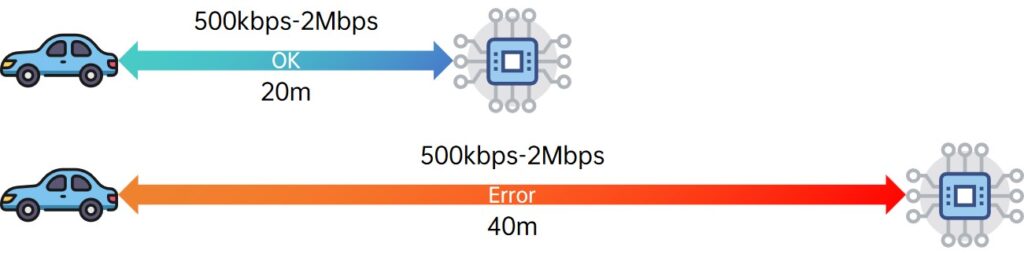
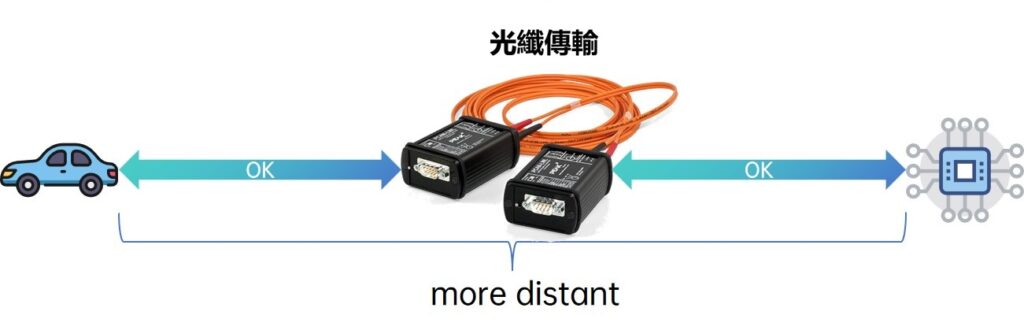
A simple CAN (FD) communication application scenario is shown below: In some environments, the maximum communication distance between the vehicle data and the controller chip is only about 20 m at a baud rate of 500 kbps to 2 Mbps, and if it is forced to be extended to 40 m, the communication may fail due to problems such as signal degradation.

Hi-Tech Solutions

1

Gateway routing for enhanced signal strength

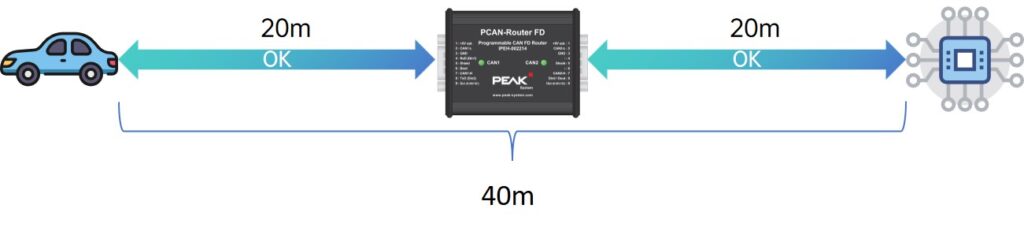
HONGKE's PCAN-Router series gateways can be used as signal repeaters in CAN (FD) bus long-distance communication to avoid signal degradation problems during transmission. In addition, the device supports customized programmable gateway firmware, which can filter the bus signals and reduce the bus load to ensure the stable transmission of CAN (FD) bus signals.

2

Protocol Conversion, Ethernet Transmission

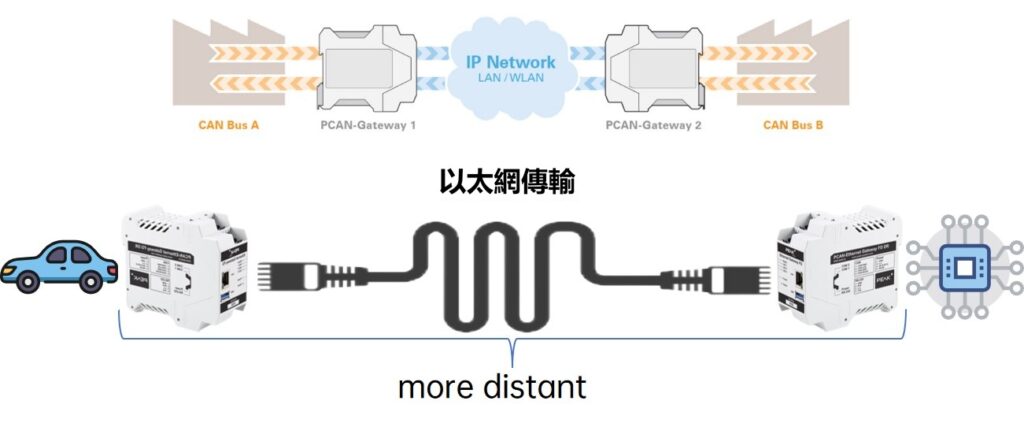
The PCAN-Ethernet Gateway series can effectively convert CAN (FD) signals into Ethernet signals and encapsulate them into TCP/UDP messages for transmission. In long-distance communication scenarios, it can effectively reduce the interference of the communication environment and greatly improve the transmission distance of CAN (FD) bus signals.

3

Introduction of light signals for safety and stability

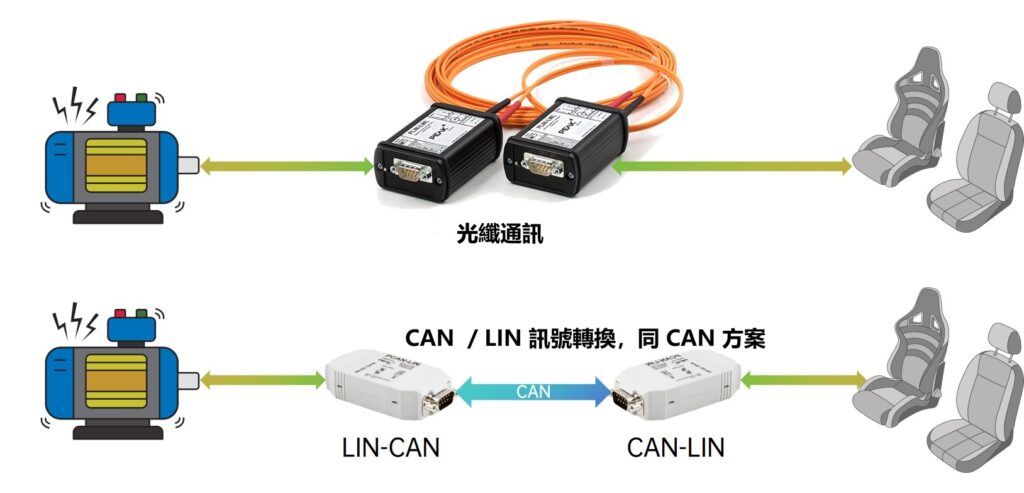
The PCAN-LWL can replace any segment of the CAN (FD) bus with a fiber-optic link to ensure bus communication quality and extend the communication distance. It is also widely used in EMC test scenarios.

Similarly, the transmission distance of the LIN bus can be extended by means of gateways or optical signal conversion.

4

LIN bus switching, also enables remote communication easily

For LIN bus, the transmission distance can also be extended by using gateway or optical signal conversion.

Product Recommendation

HONGKE provides complete CAN/CAN FD/LIN bus one-stop solution for you.

CAN/CAN FD
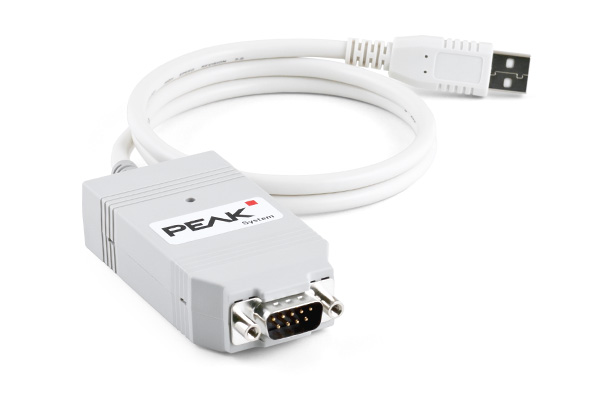
bus interface card

Easy expansion of CAN / CAN FD protocol interfaces for PCs and other devices

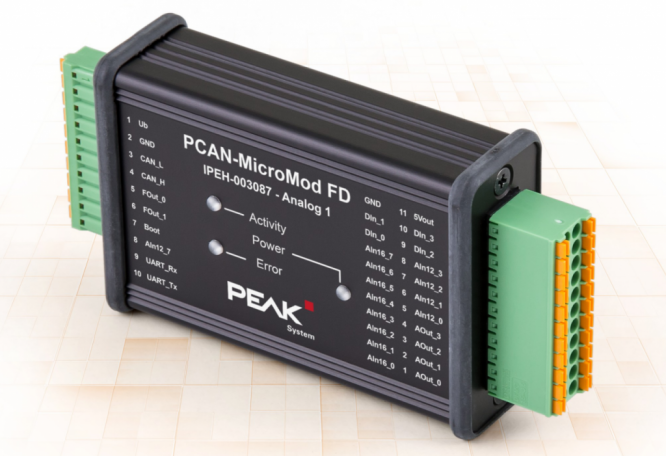
CAN and CAN FD Bus I/O Modules

For control, recording of measurement data and data processing.

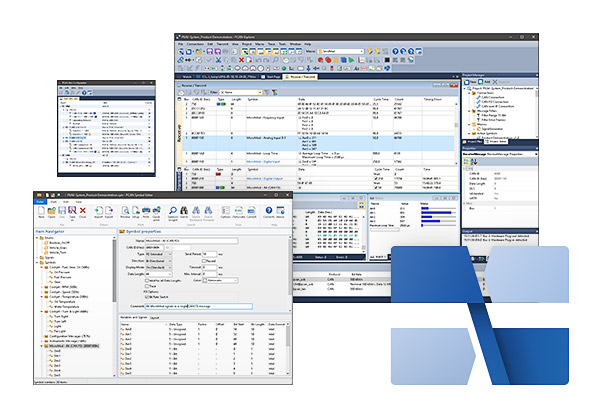
Comprehensive Multi-Function CAN Bus Analysis Software

Monitor CAN message stream, supports manual/periodic sending, can be used for control or simulation

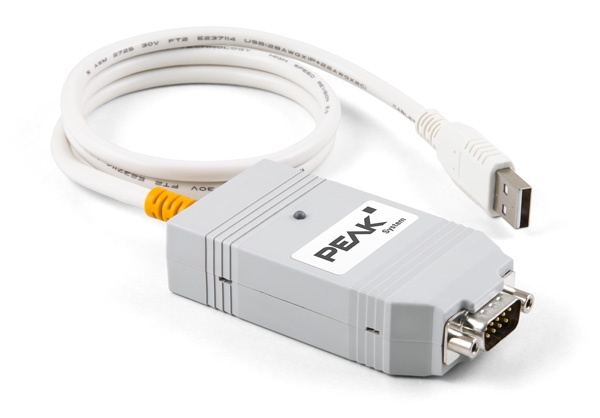
LIN Bus Solutions

LIN bus network monitoring and node simulation

Professional technical support from HONGKEI to help you succeed in your project.

HongKe offers a complete range of PEAK CAN / CAN FD solutions, including adapters, protocol analyzers, routers, data loggers and protocol converters. The products are suitable for automotive electronics, industrial automation, and research and testing scenarios, supporting high-speed data transmission and stable communication, making them the best choice for in-vehicle bus and CAN architecture projects.

Contact Hongke to help you solve your problems.

Let's have a chat