- Home
- Technical Products
Enterprise Cloud IT Solutions
Test Measurement
Industrial Measurement
- Solutions
Enterprise Cloud IT Solutions
Test Measurement
- Latest Articles
- About Us
EN
Automotive Bus Protocol Conversion Solution
The automotive bus protocol conversion solution provided by Avision can effectively solve the problem of in-vehicle ECUs, bus test tools, and other devices failing to communicate with each other due to incompatible protocols, and has demonstrated significant results in applications such as test bench optimization and bus signal simulation.
An automotive bus is a communication system used to transfer data and control information in a vehicle's electronic system.
It enables different electronic control units (ECUs) to communicate with each other within the vehicle and to coordinate the operation of the various systems, thus realizing functional integration and synergy.
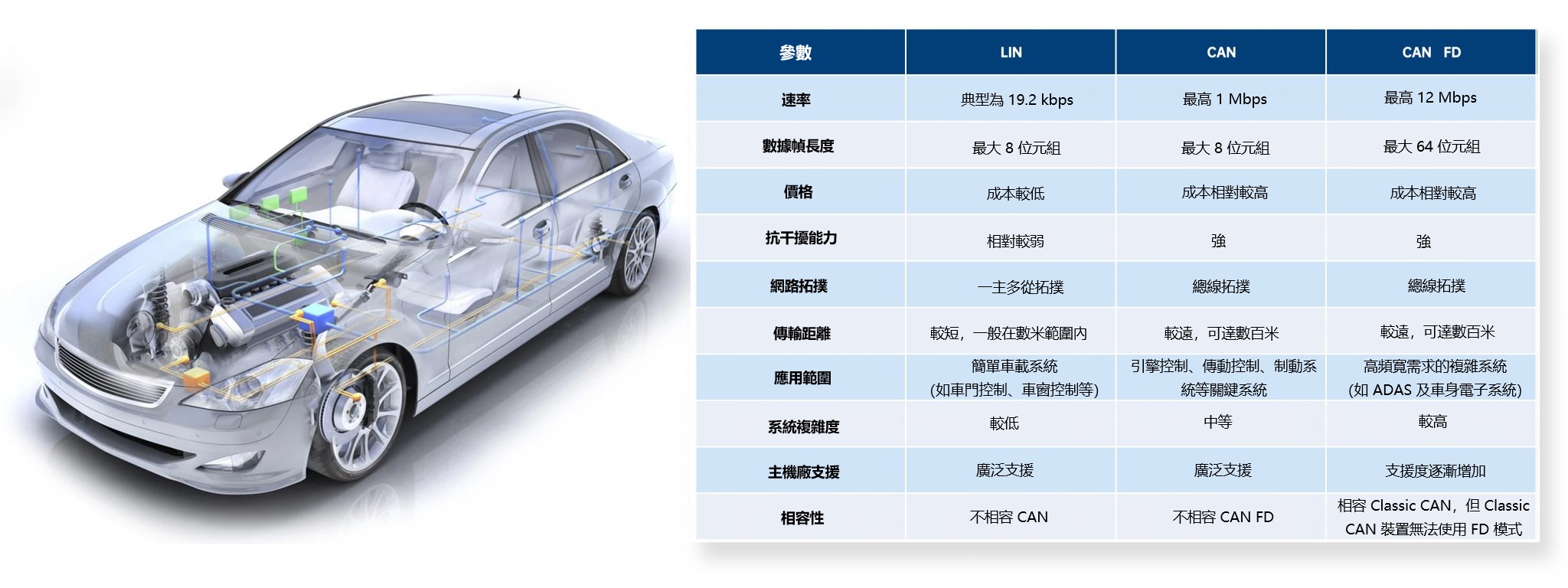
In modern automobiles, taking into account the communication performance and cost, the common and widely used automobile bus includes the following three main types:
LIN, CAN and CAN FD.
Coexistence of multiple buses
Vehicle communication protocols are often organized in a multi-bus architecture, and the scope of CAN FD applications is expanding.
Conversion between protocols is required
When using devices or modules with different bus protocols, bus protocol conversion is required to enable communication and interoperability between them.
Variety of solutions
Common automotive bus protocol conversion solutions include gateway devices, software protocol conversion, chip-level conversion, and multi-function integrated circuits (FPGAs).
Complexity of considerations
The choice of a solution depends on the specific application requirements, system architecture and available resources, taking into account factors such as the complexity of the protocol conversion, performance requirements, cost and vendor support.
To address the need for switching between automotive bus protocols, HONGKE proposed a gateway-based solution.
Helps customers to effectively reduce the time, labor cost and complexity of implementation of protocol switching.
Application Scenarios

Optimized test stands
How do I access a CAN FD ECU in a traditional CAN bus test bench?

External Communication Network
How to simulate the new ECU to access the communication network without changing the original vehicle communication structure?
Application Scenario 1: Cross-Protocol Communication Testing
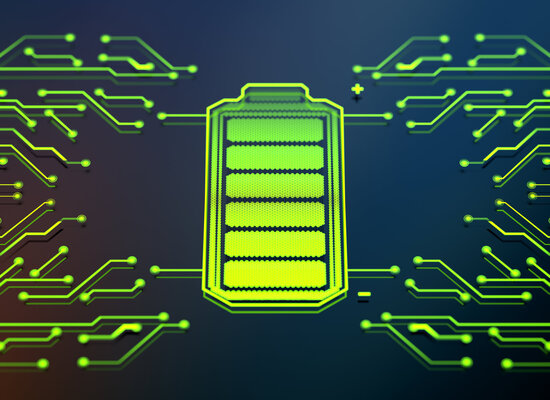
How does the BMS (Battery Management System) convert the communication protocol with the ECU?
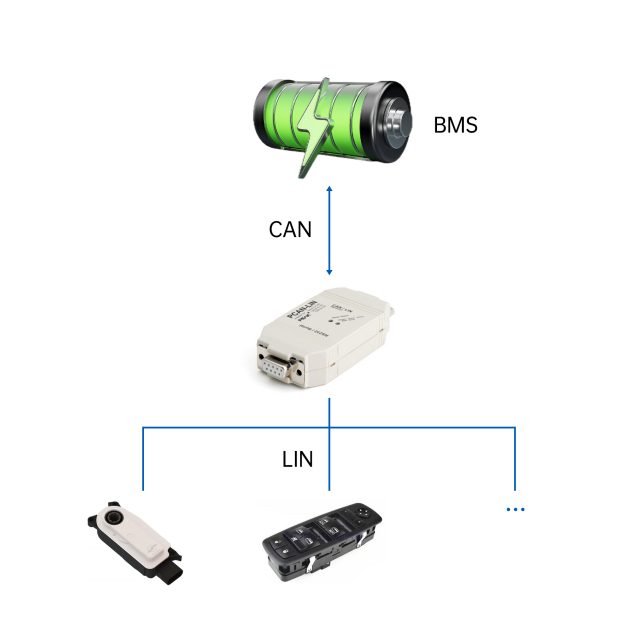
In electric vehicles and large battery systems, the BMS (Battery Management System) usually communicates with the battery modules in the battery pack via a CAN bus. However, in actual production testing, ECUs using LIN communication protocols such as window control and motor motors also need to communicate with the BMS for testing. In this case, the key issue is how to ensure that different protocols can communicate and test properly.
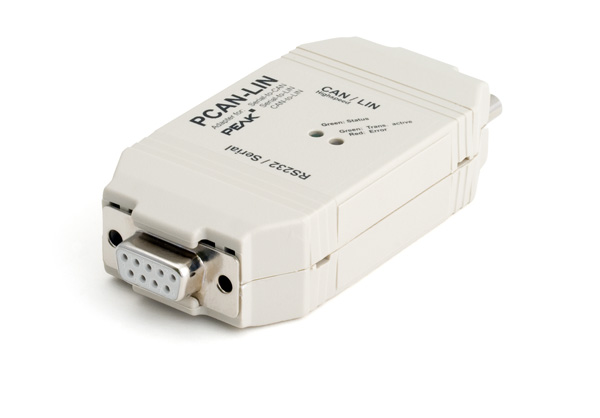
Through the ICP DAS PCAN-LIN gateway, the CAN-communicating BMS can connect to the gateway via CAN-H / CAN-L, which is then converted to a LIN master node to communicate with the specific LIN network ECU.
In addition, the gateway is equipped with an uplink configuration software that allows users to modify firmware settings and download them to the hardware chipset, and configure them through a visualization interface, making operation more intuitive and efficient.
Program Highlights
- Supports CAN, LIN, and RS232 protocols.
- LIN nodes can be freely selected in master/slave mode.
Application Scenario 2: Optimizing the Testbed
How do I access a CAN FD ECU in a traditional CAN bus test bench?
In the ECU testing process, engineers usually build corresponding test stands according to different automotive components to enhance the testing efficiency of various vehicle drive systems. With the development of automobile intelligence, many new car models have gradually adopted CAN FD communication, and the traditional test platform mainly based on CAN network interface is often unable to directly test CAN FD ECUs. the nature of remodeling the test bench is to introduce the CAN FD protocol capability on the basis of the original CAN acquisition equipment. So, how to access the CAN FD ECUs without significantly modifying the original system?
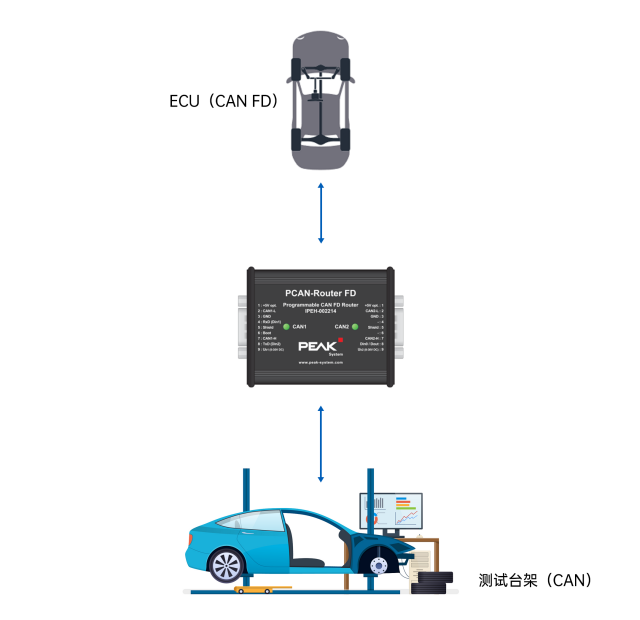
A new CAN-CAN FD communication link can be established by simply connecting an Avision Router gateway device between the test stand and the ECU.
CAN FD signals from the ECU can be instantly and efficiently converted and transmitted via the Router and output as CAN signals to the test bench, thus realizing the interconversion between the CAN and CAN FD protocols.
Application Scenario 3: External Communication Networks
How to simulate a new ECU to access the communication network without changing the original communication structure of the vehicle?
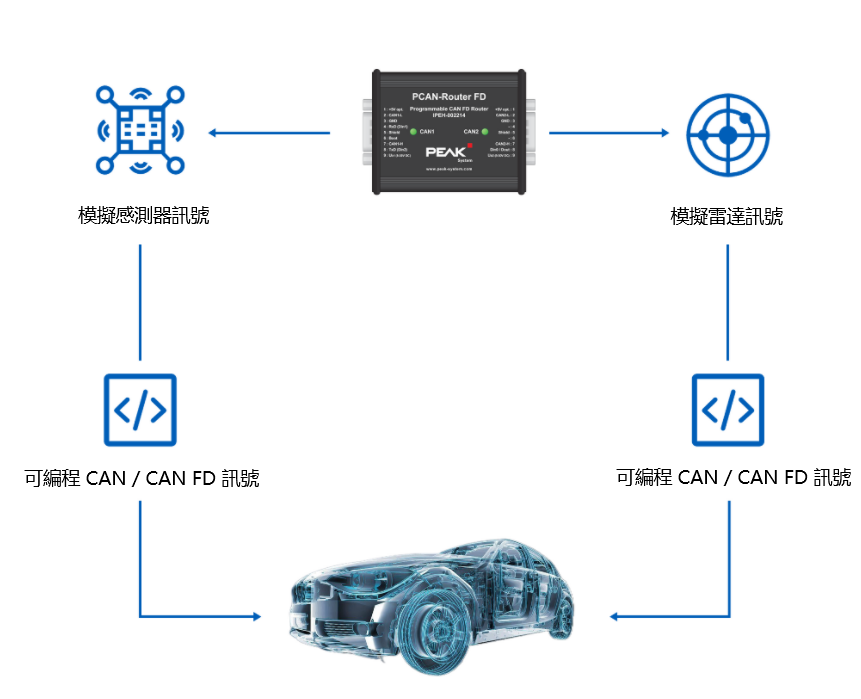
With the rapid development of automated driving technology, more and more enterprises are deploying related systems, and vehicle modification has become an important part of the process. In the process of modification, a key question is:How to connect a new ECU or sensor to the communication system without destroying the original communication network of the vehicle?
By accessing the vehicle CAN network through Hongke PCAN-Router FD gateway, it is possible to simulate the communication between the external sensor module and the vehicle, and to conduct simulation test between ECU and sensor without affecting the normal communication between the vehicle or external ECU.
Product Highlights
- Compatible with CAN 2.0A / CAN 2.0B and CAN FD
- CAN baud rate range: 40 kbit/s - 1 Mbit/s
- CAN FD supports ISO and non-ISO standards.
- CAN FD baud rate range: 40 kbit/s - 12 Mbit/s
Related Product Details
PCAN-LIN
CAN / LIN / 232 protocol interconversion
PCAN-LIN
Cost-effective CAN and LIN gateway, which can realize the protocol conversion between CAN, LIN and RS232; it can run independently after downloading the configuration.
Learn more
PCAN-Router FD
2 CAN / CAN FD Bus Routers
PCAN-Router FD
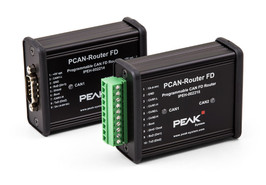
2-way CAN/CAN FD bus router for CAN/CAN FD network data forwarding function
Learn more
PCAN-Router Pro
4-way CAN gateway and router
PCAN-Router Pro
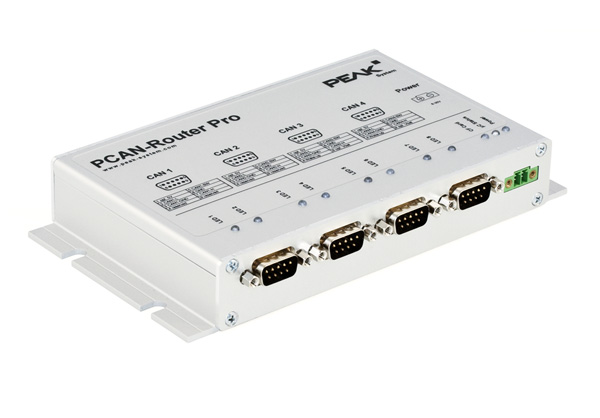
4 CAN bus interfaces, high-speed CAN and low-speed CAN transceiver switchable, and can realize data processing and gateway forwarding functions.
Learn more
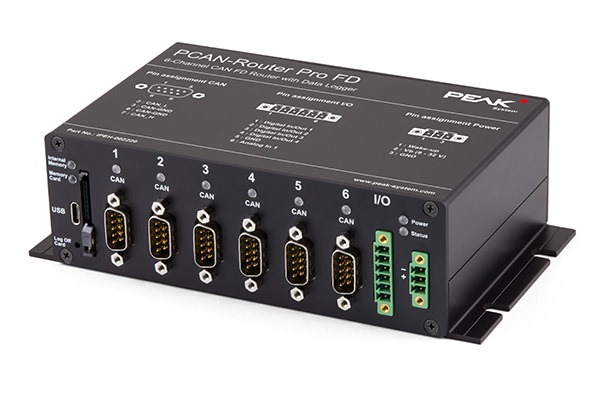
PCAN-Rourter Pro FD
6-way CAN bus interface device
PCAN-Rourter Pro FD
6 CAN bus interfaces, high-speed CAN and low-speed CAN transceiver switchable, and can realize data processing and gateway forwarding functions.
Learn more
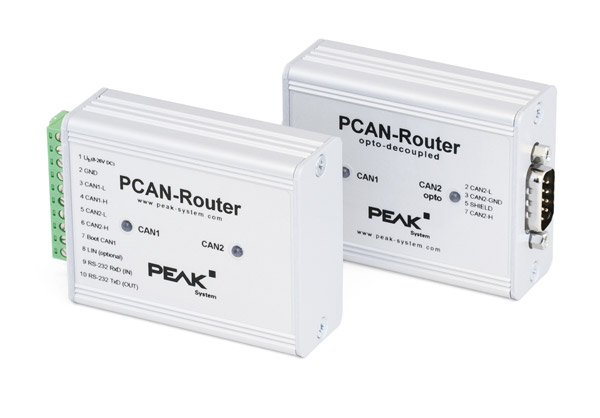
PCAN-Router
Universal CAN Router
PCAN-Router
Universal CAN bus router for CAN network data forwarding and extended communication distance
Learn more
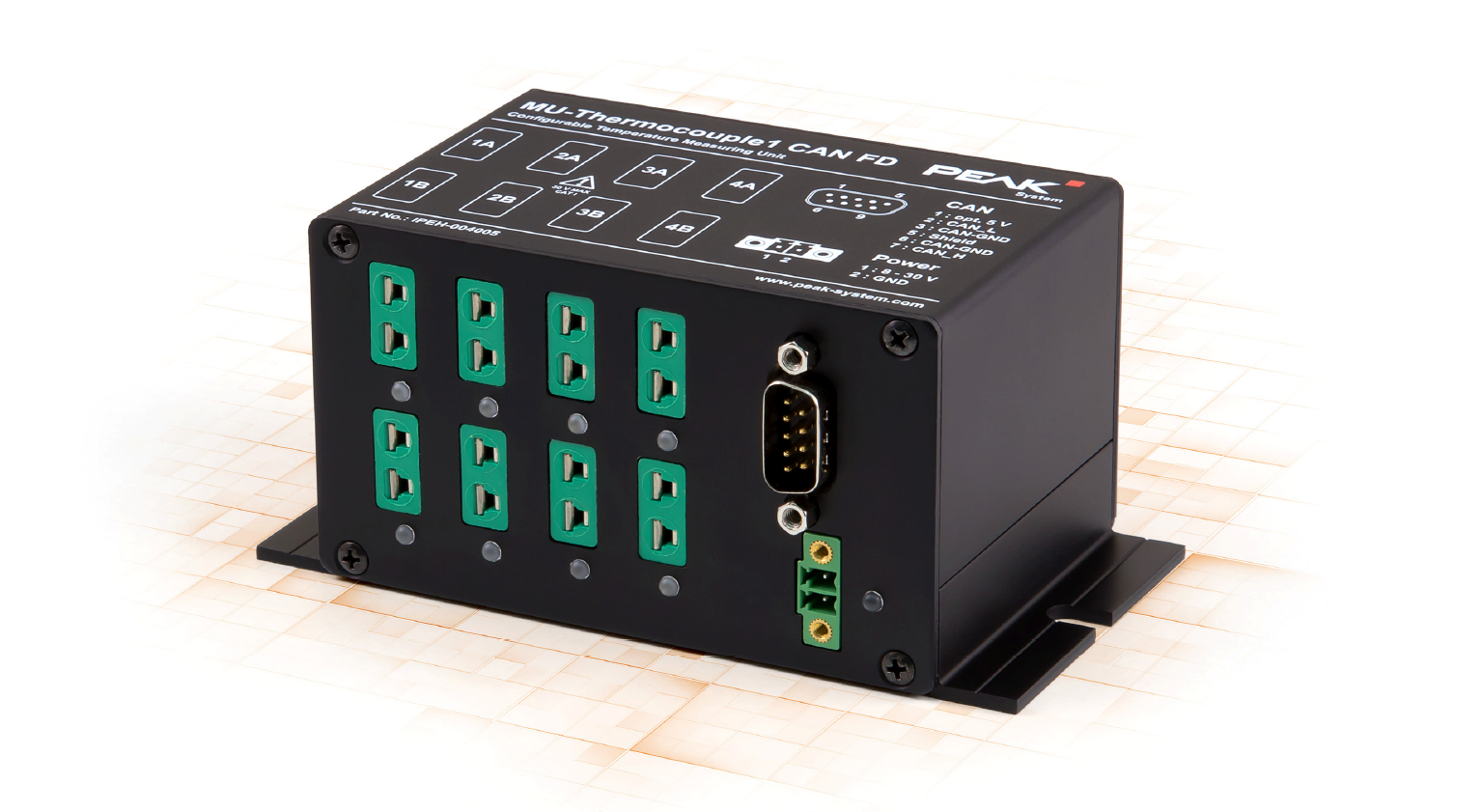
MU-Thermocouple1 CAN FD
Thermocouple Measurement Module
MU-Thermocouple1 CAN FD
Thermocouple measurement module with 8 thermocouples for different temperature ranges (T, K, J types)
Learn more
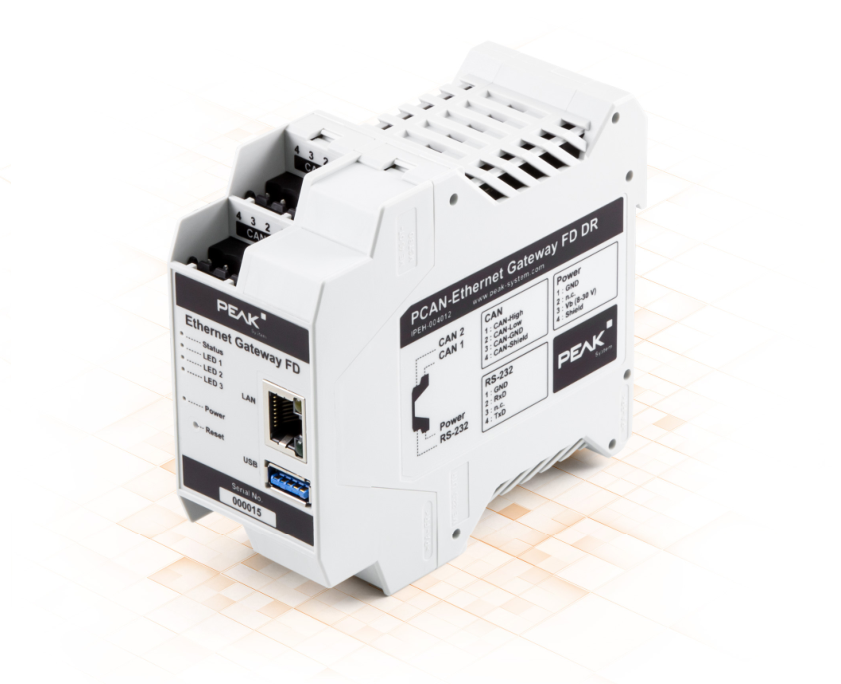
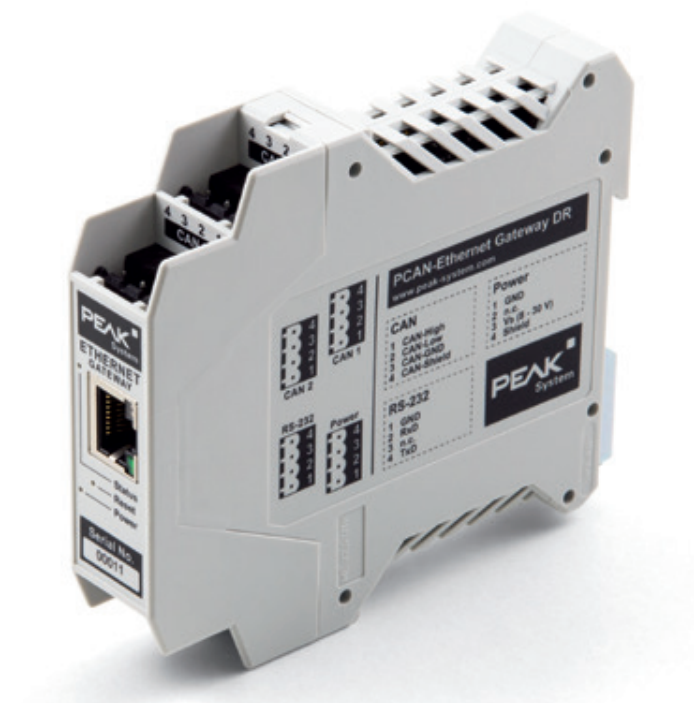
PCAN-Ethernet Gateway FD DR
CAN / CAN FD to LAN Gateway
PCAN-Ethernet Gateway FD DR
Use this gateway to connect to the CAN bus via LAN or WLAN with 1 LAN interface and 2 CAN FD interfaces.
Learn more
PCAN-Ethernet Gateway DR
CAN to Ethernet (LAN) Gateway
PCAN-Ethernet Gateway DR
Provides 1 LAN connection and 2 high-speed CAN interfaces for connecting different CAN buses via IP network.
Learn more
Professional technical support from HONGKEI to help you succeed in your project.
HongKe offers a complete range of PEAK CAN / CAN FD solutions, including adapters, protocol analyzers, routers, data loggers and protocol converters. The products are suitable for automotive electronics, industrial automation, and research and testing scenarios, supporting high-speed data transmission and stable communication, making them the best choice for in-vehicle bus and CAN architecture projects.