
Search

Hongke's latest articles

HongKe

Lorem ipsum dolor sit amet, consectetur adipiscing elit. Ut elit tellus, luctus nec ullamcorper mattis, pulvinar dapibus leo.

Lorem ipsum dolor sit amet, consectetur adipiscing elit. Ut elit tellus, luctus nec ullamcorper mattis, pulvinar dapibus leo.

HONGKE Solutions] How to choose a Transportation Recorder? HONGKE Professional Selection Guide: Essential for Precision Equipment and Cold Chain Logistics

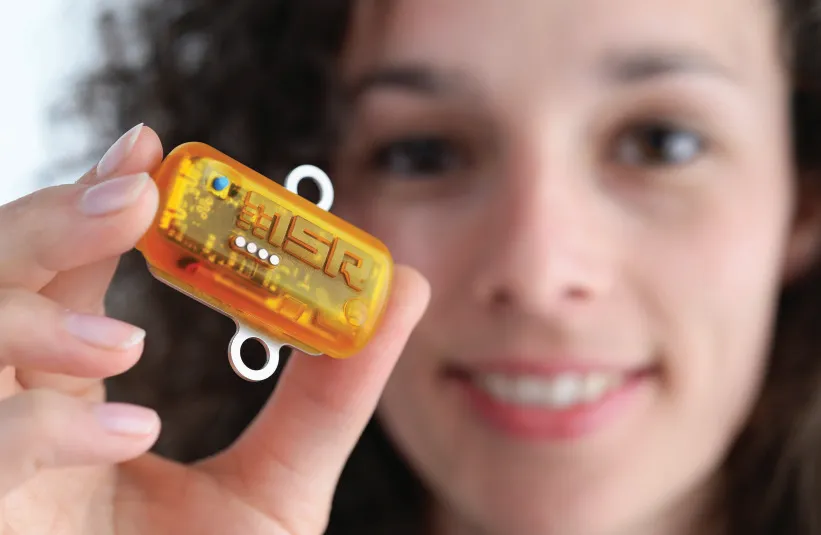
Transportation Data LoggerIn the logistics industry, the monitoring devices are often called "black boxes", capable of accurately recording critical data such as impact, tilt, temperature and humidity during the transportation process. When selecting monitoring equipment for different logistics and transportation scenarios, carriers or manufacturers often focus only on the parameters required by the end customer, but ignore the in-depth understanding of the sensing capability, hardware specifications, and the logic of transportation safety determination.

Whether it'sPrecision equipment, large transformers, artworkOr is it?Cold Chain LogisticsThe determination of responsibility for damage to goods is often the hardest hit by disputes. Products on the market from a few tens of dollars of color changing labels to tens of thousands of dollars of vibration testers should have everything, how can enterprises accurately select the type?HongKe This is a professional selection guide for you.

I. Parameter Matching: What data do you need to monitor?

The indicators required by the industry may sometimes be contrary to the actual physical characteristics of the cargo, and true and effective transportation monitoring is often not possible if the given indicators are followed blindly. The first step in the selection process should be to focus on the "pain points" of the cargo:

  • Synchronized monitoring of three-axis directional impact: The acceleration changes in the three dimensions of space (X, Y, Z) are captured to effectively differentiate between vertical bumps and horizontal collisions, which is crucial for determining the cause of damage.
  • The acceleration range is adapted to the cargo characteristics: There is a huge difference between the "brittle value" of large, heavy loads and precision instruments. For example.Electricity & EnergyRecommended for large equipment ±24G Small range to ensure high accuracy; andoptical componentPrecision instruments such as ±200G Large volume range to capture vibrations at wider frequencies.
  • Sampling frequency is adapted to the transportation route: The sampling frequency of the EDR is inversely proportional to the duration of the voyage, which needs to be weighed according to the length of the voyage.Large Power EquipmentUsually involves long distance sea transportation, requiring long range combined with appropriate low frequency monitoring;Small Precision InstrumentsFor air transportation, a high sampling frequency with a short duration is required.
  • The richness of the types of environmental monitoring: AgainstTemperature and humidity monitoring is a must for goods such as electronic components (moisture proofing), pharmaceutical cold chain (temperature control), and aircraft engines (rust proofing). For jewelry, luxury goodsHigh-value goods, such as light sensors to realize the "inappropriate opening" monitoring is the key to prevent theft.

Data transmission: What kind of evidence do you need?

After confirming the monitoring parameters, the next step is to consider "how the data is presented", which is a watershed in determining the procurement cost and user experience.

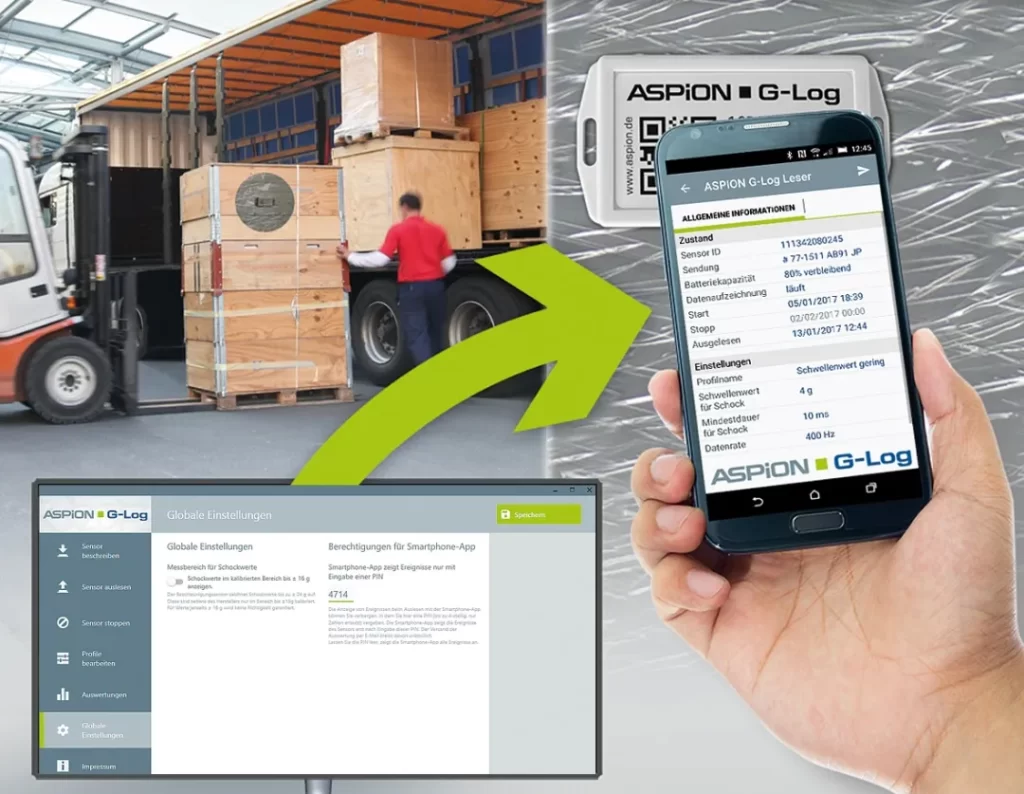
  • Read the full transportation report afterwards: The non-real-time recorder emphasizes the stability of data recording, and after the cargo arrives at the destination, it will lead to professional data recording via computer or mobile phone. PDF reportThis is the evidence of acceptance.
  • Real-time monitoring provides instant alerts: The real-time recorder uploads the data to the cloud platform for easy access at any time. In case of any abnormality, the system will send an alarm immediately.
  • A combination of cost and demand: Due to the limitation of size and power consumption, the real-time recorder mostly relies on base station communication, and may face the problem of poor signal or power exhaustion in long-distance sea transportation, which is more suitable for time-sensitive cargoes. Although non-real-time EDRs cannot report to the police immediately, they have high data integrity and are more suitable for cross-border maritime transportation projects.

Continuity and Reusability: Is there a need for reuse?

With complex cross-border transportation procedures and long lead times, EDRDs often face difficulties in recycling. Enterprises need to strike a balance between procurement cost and recovery cost.

  • Single-use procurement costs: If the equipment cannot be recovered by the shipper (e.g., one-way export trade), the cost of the purchase should be prioritized and the logger should be left on-site as evidence of the accompanying shipment.
  • Recycling costs for reuse: existClosed-loop logistics (e.g., transshipment containers) or equipment leasingIn this scenario, choose a model that has excellent sampling performance, is rugged, and supports recharging. In addition, if the Recorder is to be transported by air, it is important to make sure that the device has the following features MSDS Reportsup toDangerous Goods Transportation Certification by Air, Sea and LandThe qualifications are as follows.

IV. Ease of use: Is the operation of the site simple?

Logistics field environment is complex, operators have different experience. The traditional vibration recorder is large in size and cumbersome in the process. A high-quality recorder should have the following features:

  • Lightweight and compact: Compact body is easy to install on all kinds of uneven surfaces (such as lightning arrester, casing of power equipment, etc.), which effectively solves the installation difficulties of heavy-duty recorder.
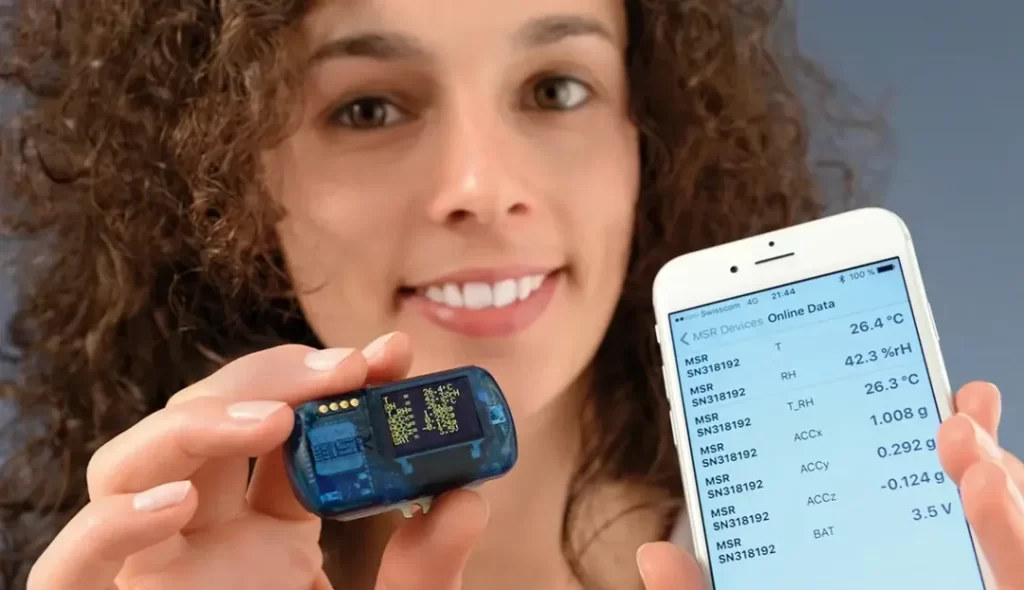
  • Wireless communication interface (Bluetooth/NFC): Compared to traditional USB wired connections, utilizing Bluetooth or NFC The technology provides data readout and configuration, which significantly reduces the workload of field personnel.
  • Cell phone APP function support: In logistics sites where it is not convenient to use computers, an EDRD with an accompanying APP allows workers to read data directly from their cell phones to enhance operational efficiency.

V. Guidelines for avoiding pitfalls in other key parameters

In addition to the above key points, the following implicit indicators should be taken into account when selecting a model:

  1. Impact Threshold setting range: ECORDER usually adopts "Crash Wake-up" mode to save memory. When selecting a model, you must check whether the device supportsCustom ThresholdThe threshold value can be too high to avoid damage to the data by omission, or too low to flood the data with useless data.
  2. Protection level (IP Rating): For marine salt spray or open air environments, make sure the recorder is equipped with IP65 or higherIt is dustproof and waterproof to prevent the device from being down due to water ingress.

Warm Tips: Regardless of which recorder you choose, be sure to post a prominent "Monitoring Warning" label on the waybill and outside packaging before shipping. A psychological deterrent is often more protective than accountability after the fact!

Other Articles

Hongke Dry Goods

[Hongke Solutions] ArangoDB Contextual Data Platform: Key Architecture for Next-Generation Network Asset Management (CAM/CMDB)

An in-depth analysis of how enterprises can transition from single LLM API calls to autonomous agentic systems. This article compiles real-world examples of AI agent deployments in production environments across six major industries, including retail and finance, and breaks down the underlying infrastructure logic—such as high concurrency, cross-interaction memory (Memory Infrastructure), and distributed state persistence.
Read more
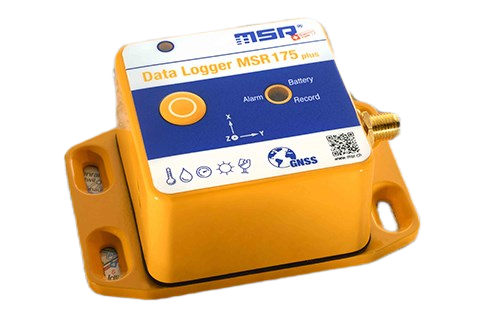
虹科 MSR175plus 衝擊與環境數據記錄器外觀圖:黃色堅固外殼配有 GNSS 定位功能、三軸加速度(X/Y/Z)以及溫度、濕度、氣壓、光照與傾斜感測器圖示,專用於運輸與物流監測。
Hongke Dry Goods

[Hongke Case Study] TSMC Selects MSR Shock and Vibration Data Loggers

How Can You Prevent Vibration Damage During International Transport of Semiconductor Wafers and Photomasks? We Reveal the Key Reasons TSMC Chose Hongke’s MSR175Plus Shock and Vibration Data Logger! The product features long battery life and large-capacity memory, enabling precise recording of temperature, humidity, pressure, and multi-axis acceleration during long-distance transport. In an exclusive interview, a TSMC engineer shares how the company converts vibration into quantifiable data and establishes rigorous standards to effectively reduce the risk of damage and significantly improve the success rate of international shipments!

Read more
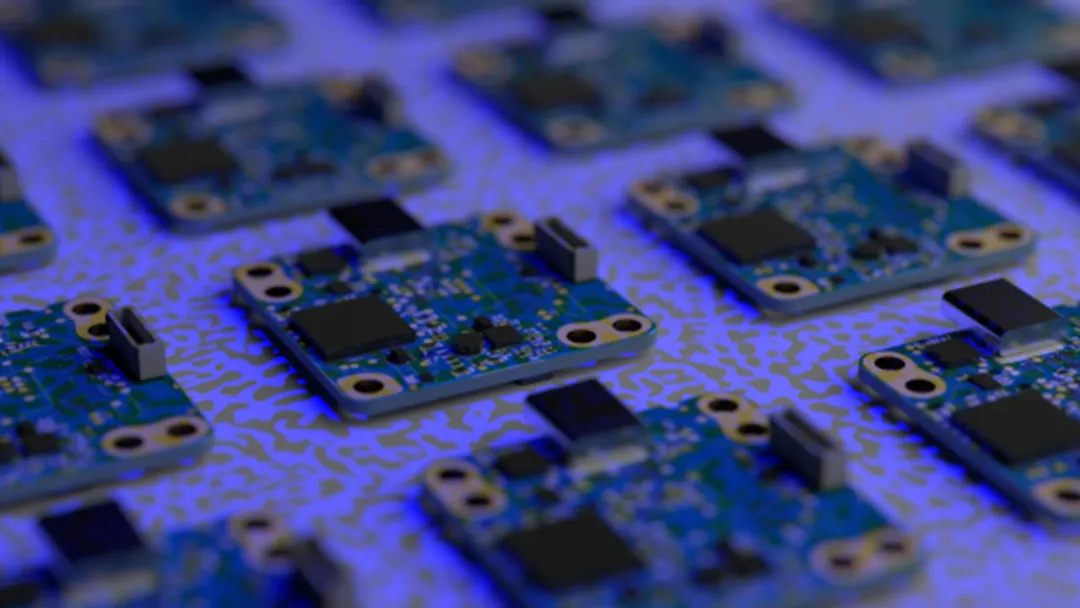
PCB 電路板組裝視覺檢測與測量示意圖:陣列排列的印刷電路板(PCBA)在藍光光源下展示晶片、元件與金屬焊盤細節,適用於 SMT 表面貼裝自動光學檢測(AOI)與品質管控。
Hongke Dry Goods

[Hongke Solutions] How Can AI-Powered Industrial Vision Inspection Overcome Quality Bottlenecks? A Comprehensive Analysis of Multi-Camera PTP Synchronization and Defect Detection

An In-Depth Analysis of AI Industrial Vision Inspection Technology! Explore how high-resolution industrial cameras, AI deep learning algorithms, and IEEE 1588 PTP microsecond-level multi-camera time synchronization precisely overcome bottlenecks in PCB component measurement and lithium-ion battery defect detection, and SMT Automated Optical Inspection (AOI), thereby improving production line yield!

Read more

Contact Hongke to help you solve your problems.

Let's have a chat