
Search

Hongke's latest articles

HongKe

Lorem ipsum dolor sit amet, consectetur adipiscing elit. Ut elit tellus, luctus nec ullamcorper mattis, pulvinar dapibus leo.

Lorem ipsum dolor sit amet, consectetur adipiscing elit. Ut elit tellus, luctus nec ullamcorper mattis, pulvinar dapibus leo.

HONGKE Solutions] High-precision Process Monitoring and Error Monitoring in Additive Manufacturing

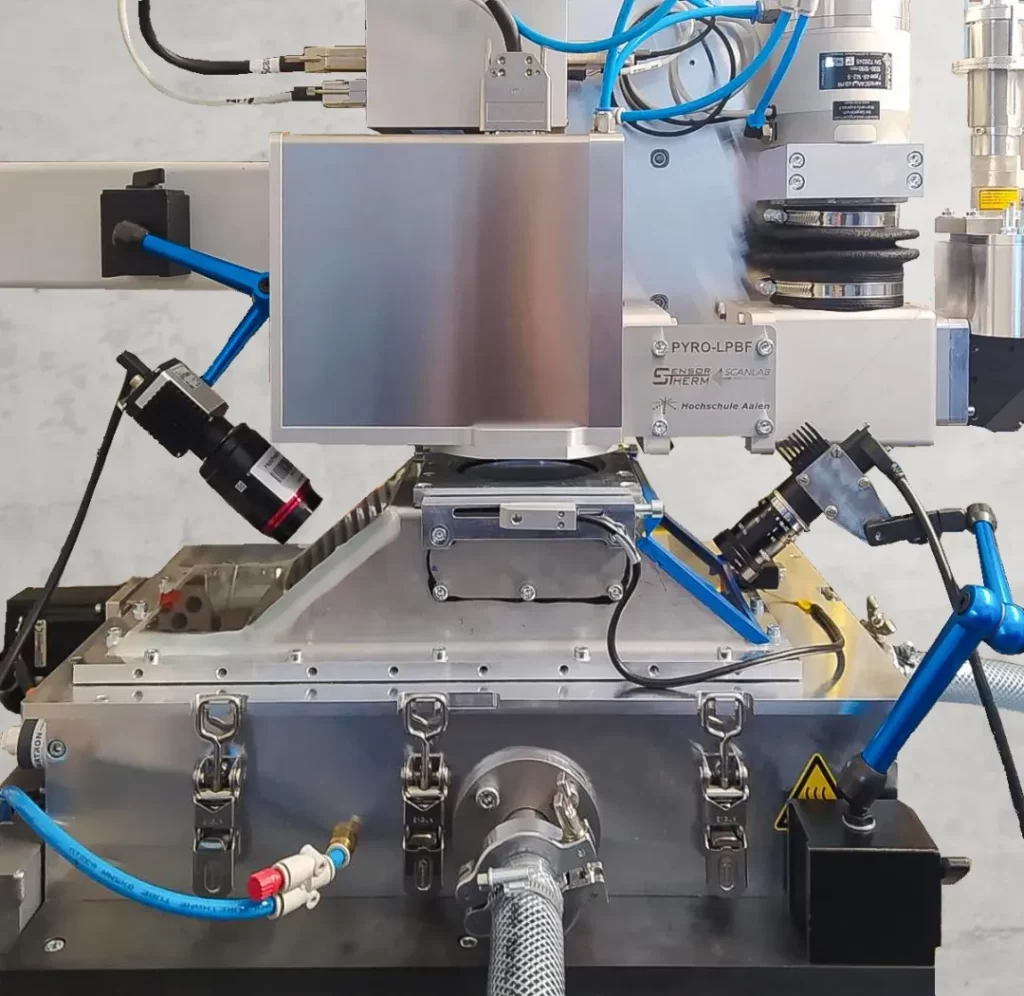
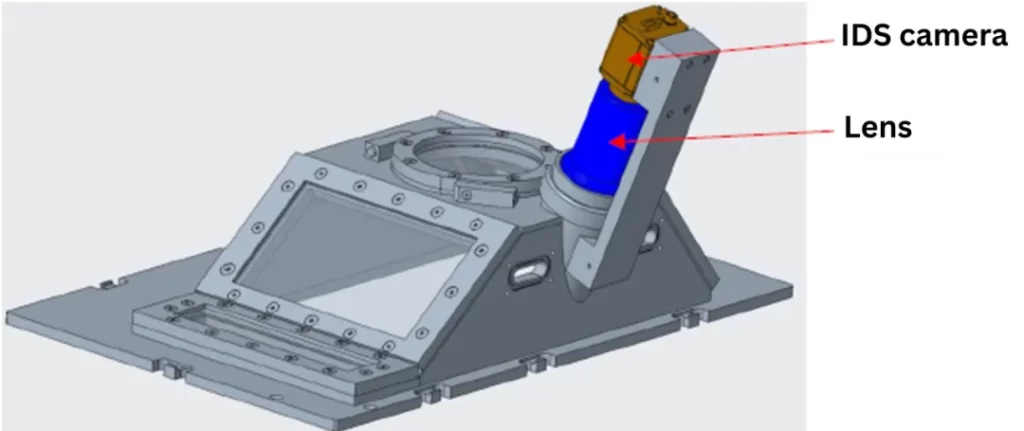
In the powder bed laser metal melting (PBF-LB/M) additive manufacturing process, high-precision process monitoring and error detection are critical to improving part quality. Allan University's Laser Application Center uses two high-performance USB3 industrial cameras from iDS Imaging Development Systems, a partner of HONGKEI, to build a complete visual inspection system: the U3-3040CP-C-HQ camera is responsible for high-speed capture of dynamic processes such as sputtering and soot formation, and the U3-3990SE camera is responsible for high-speed capture of powder layer and re-metalization. The U3-3990SE camera realizes high-resolution static inspection of powder and remelted layers.

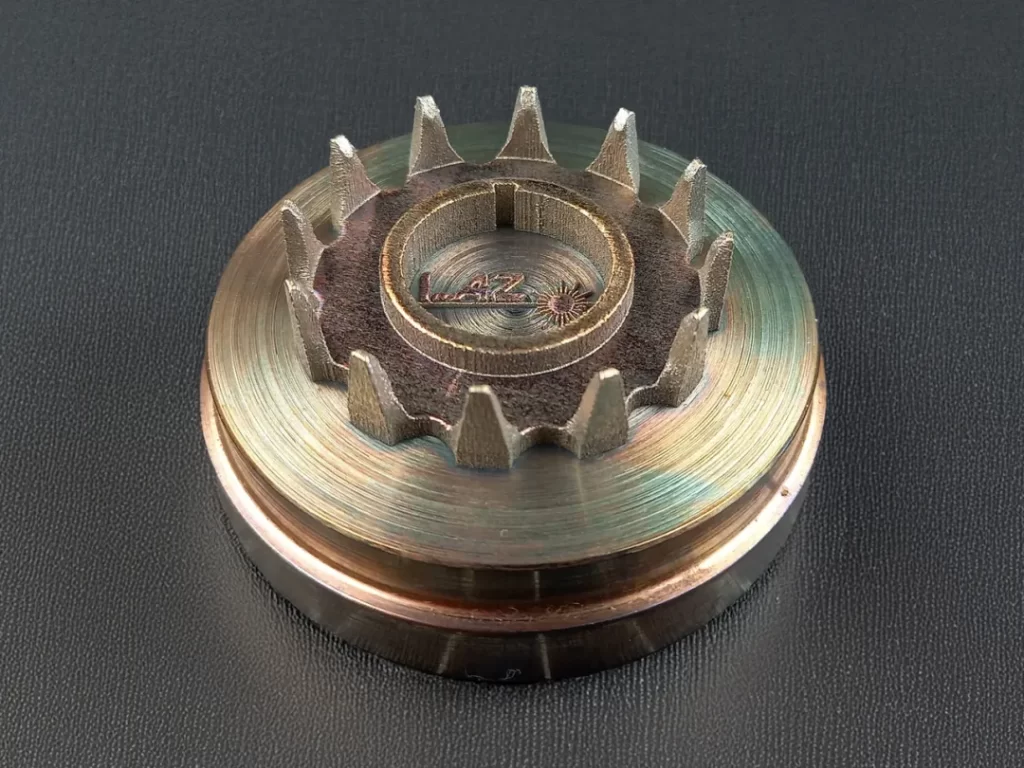
The solution not only provides critical data support for process parameter optimization, but also successfully applied to the manufacturing of FeSi6.5 floppy magnetic components made of difficult-to-machine materials, demonstrating the professional value of iDS Industrial Camera in the field of quality control of additive manufacturing.

I. Technical Background and Challenges

Powder Bed Laser Metal Melting (PBF-LB/M) is a key technology in the field of additive manufacturing, enabling the production of highly complex, high-performance metal parts with customized material and functional properties. With applications in a wide range of industries - from aerospace and medical technology to automotive - it is recognized as an important pioneering technology for the future of manufacturing. Advances in process monitoring and control are critical to further improving the quality, repeatability and efficiency of manufacturing processes.

A central challenge is the precise analysis of the layer-by-layer laser melting process, which has a decisive impact on part quality. As part of their research to improve process stability and efficiency, students and researchers at Allan University's Center for Laser Applications are conducting global, dynamic observations of the PBF-LB/M process. In the context of high-speed process control based on temperature feedback, the researchers are investigating phenomena such as spatter and soot formation, solidification behavior, and the safe movement of mechanical parts during additive manufacturing. This is complemented by a high-resolution static analysis of the geometry of the remelted part layer and the precise detection of potential defects in the powder layer in order to be able to make well-founded conclusions about the quality of the final part.

The imaging components for this project are two high-performance USB3 industrial cameras from iDS Imaging Development Systems, an in-depth partner of Hongke.

Dual-phase system configuration

Camera selection and division of labor

These two tasks require different camera models.
“We use one of the USB3 uEye CP-series cameras for global, dynamic observation of PBF-LB/M processes such as splash or fume formation. For static, high-resolution identification of anomalies in the geometry of the powder and remelted part layers, we use a USB3 uEye camera from the SE series,” explains David Kolb, Research Associate at LAZ.

Dynamic Process Monitoring Requirements

Since PBF-LB/M is a highly dynamic additive manufacturing process, where parts are generated layer by layer, the following characteristics are required for the camera:

  • Resolution over 1000 × 1000 pixels

  • Frame rate over 100 fps

  • Field of view at least 100 mm × 100 mm

  • Trigger port for video recording.

David Kolb explains, ”These features are particularly important for global dynamic monitoring, capturing the details of splash and soot formation to ensure accurate and reliable process monitoring.”

Performance and Application of Dynamic Monitoring Camera

Camera Performance Features

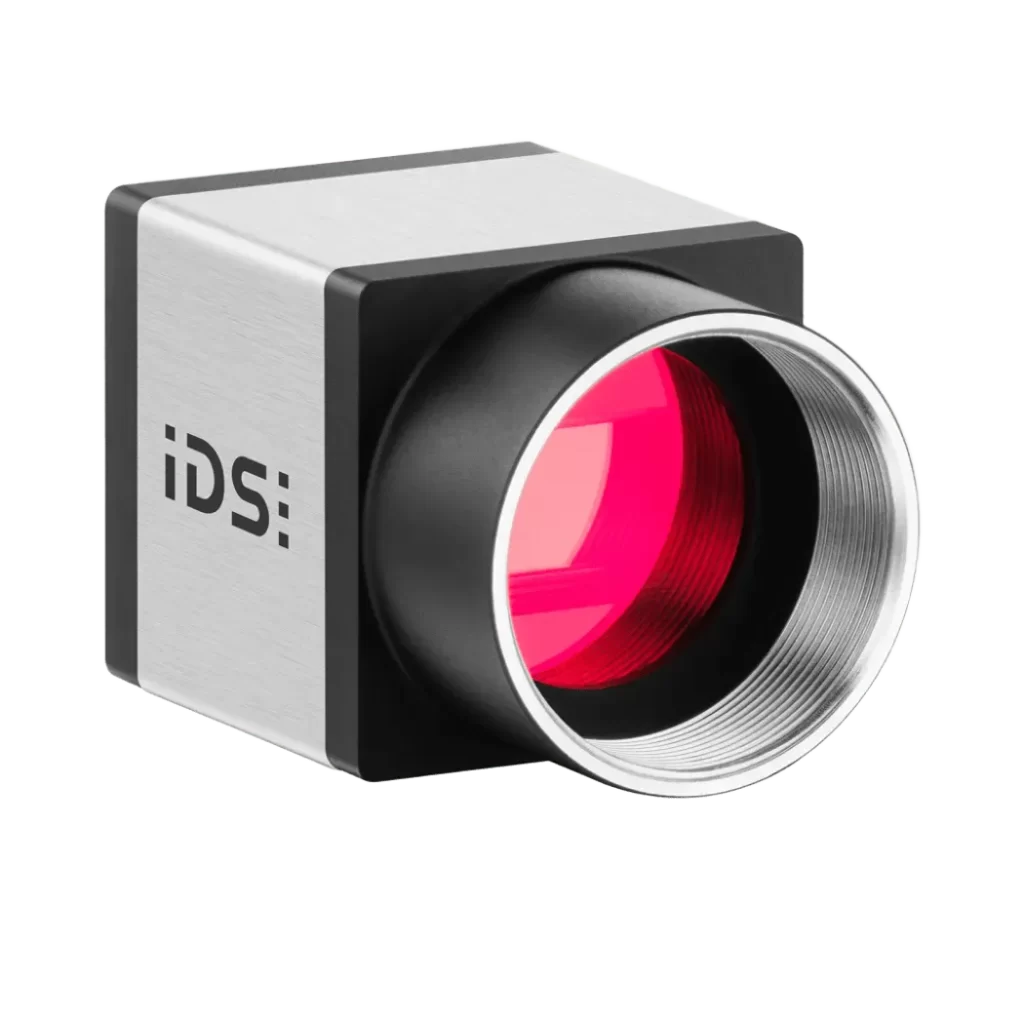
The selected U3-3040CP-C-HQ Rev. 2.2 model delivers excellent image quality even in low-light conditions or when shooting fast-moving objects. Featuring a Sony Pregius Series IMX273 global shutter CMOS sensor for high sensitivity and wide dynamic range, the camera delivers a resolution of 1.58 megapixels (1456 × 1088 px) at 251 frames per second, making it ideal for detailed video and image analysis of dynamic processes.

Determination of process parameters and application of materials

To determine the process parameters, the researchers produced cubic components by additive manufacturing and analyzed the global manufacturing process using a USB3 uEye CP camera. The optimal laser parameters were determined to utilize the difficult-to-machine 6.5wt.% silica-iron alloy (FeSi6.5) to produce a new type of soft magnetic element for future high-efficiency electric motor manufacturing. The FeSi6.5 stator half-shells developed on the basis of this process have an optimized three-dimensional magnetic flux path that can be perfectly adapted to the specific needs of transverse flux motors.

The material's high resistance properties, combined with the design freedom of the PBF-LB/M process, allow for a reduction in turbulence losses, an increase in power density, and the integration of additional features such as cooling structures. The complex geometry or brittle soft magnetic material FeSi6.5 is almost impossible to process by conventional manufacturing and must be produced by additive manufacturing technology.

V. Static High Resolution Detection Program

For static high-resolution observation of powder or part layer geometries, special requirements are placed on camera performance in addition to the need for a single-frame image acquisition trigger port:

  • Sensors detect geometric features down to 40 microns.

  • Provides at least 100 mm × 100 mm field of view

  • As close to a 1:1 square aspect ratio as possible

U3-3990SE Rev.1.2 industrial camera adopts Sony Pregius S-series IMX541 CMOS sensor with 20 megapixel ultra-high resolution and 1.1-inch large sensor surface. It adopts Backside Illuminated (BSI) technology and the size of the micro-pixel is only 2.74 microns, which significantly improves the quantum efficiency and the sensitivity of the sensor, and meets the demand of static high-resolution perfectly.

iDS uEye+ CP Series High Performance Industrial Cameras

  • Supports compact power supplies for a variety of industrial applications.
  • Built-in pixel pre-processing with 120MB image memory for multi-phase systems
  • Gigabit Ethernet high-speed transmission, PoE support, up to 100m per line
  • Various CMOS sensors available from Sony, ams/CMOSIS, e2v, onsemi.
  • Patented housing with dimensions of only 29 x 29 x 29 mm and screw-in cables for safe power conduction
  • Suitable for automation, automotive, printing and packaging, medical technology and life sciences, agriculture, logistics and transportation, etc.
  • GigE interface for excellent performance in applications such as controlling robotic grippers.

Other Articles

Hongke Case

Hongke Solutions] Process ≠ Decision: The Most Often Ignored Technical Divide in Enterprise Digital Transformation Architecture

Process management is the foundation of enterprise digital transformation, but the technical positioning of process systems determines that they are incapable of undertaking complex decision-making functions. Embedding decision logic into processes not only leads to system bloat and maintenance difficulties, but also limits the extensibility of an enterprise's digital architecture.Decisions provides a practical solution to decouple processes and decisions through a standardized technical architecture, flexible rules management capabilities and seamless integration, helping enterprises create a simple, efficient and scalable digital architecture.

Read more
Hongke Case

HONGKE Solution] HONGKE CANoe & GNSS Simulator HIL Closed Loop Test Solution - Automotive Electronics and Autonomous Vehicles

Explore HIL hardware-in-the-loop closed-loop test solution based on Vector CANoe and GTS P7 GNSS simulator. Designed for automated driving and automotive electronics ECU simulation, it provides high-precision and low-latency positioning verification to help the research and development of low-altitude economy and smart internet vehicles. Learn about localized technical support today!

Read more
Hongke Dry Goods

Rainbow Solutions] 2026 Procurement Committee Must-Have: Hong Kong Bank Redis Procurement Checklist (Open Source vs Enterprise Decision Framework)

The HKMA has repeatedly emphasized risk-based and principle-driven requirements in recent years, and has brought the risk of third-party IT solutions to the forefront, meaning that it's fine to turn on Maintenance or Redis Enterprise, but you have to prove that the "controls work" rather than that the "tool is famous".

Read more

Contact Hongke to help you solve your problems.

Let's have a chat