Search

[Hongke Solutions] Cybersecurity Training for Hong Kong’s Financial Industry: From Compliance Records to Human-Factor Risk Management

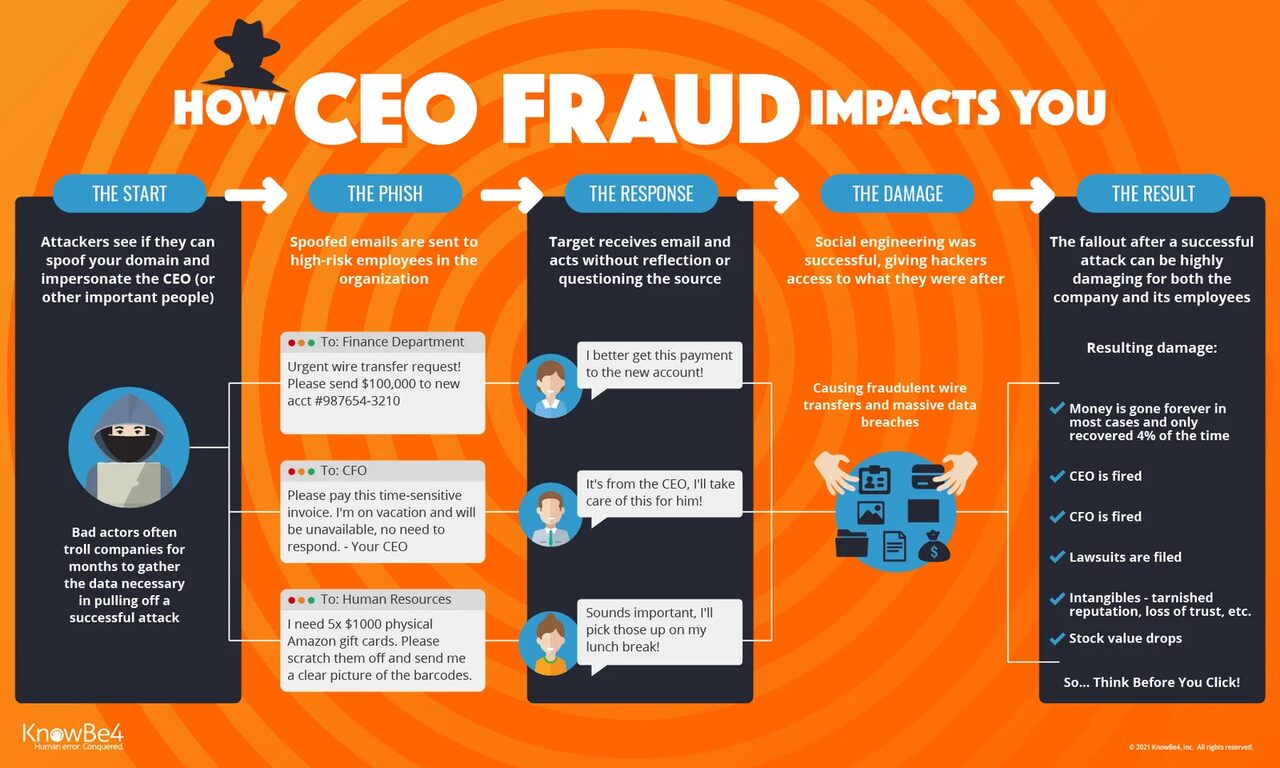
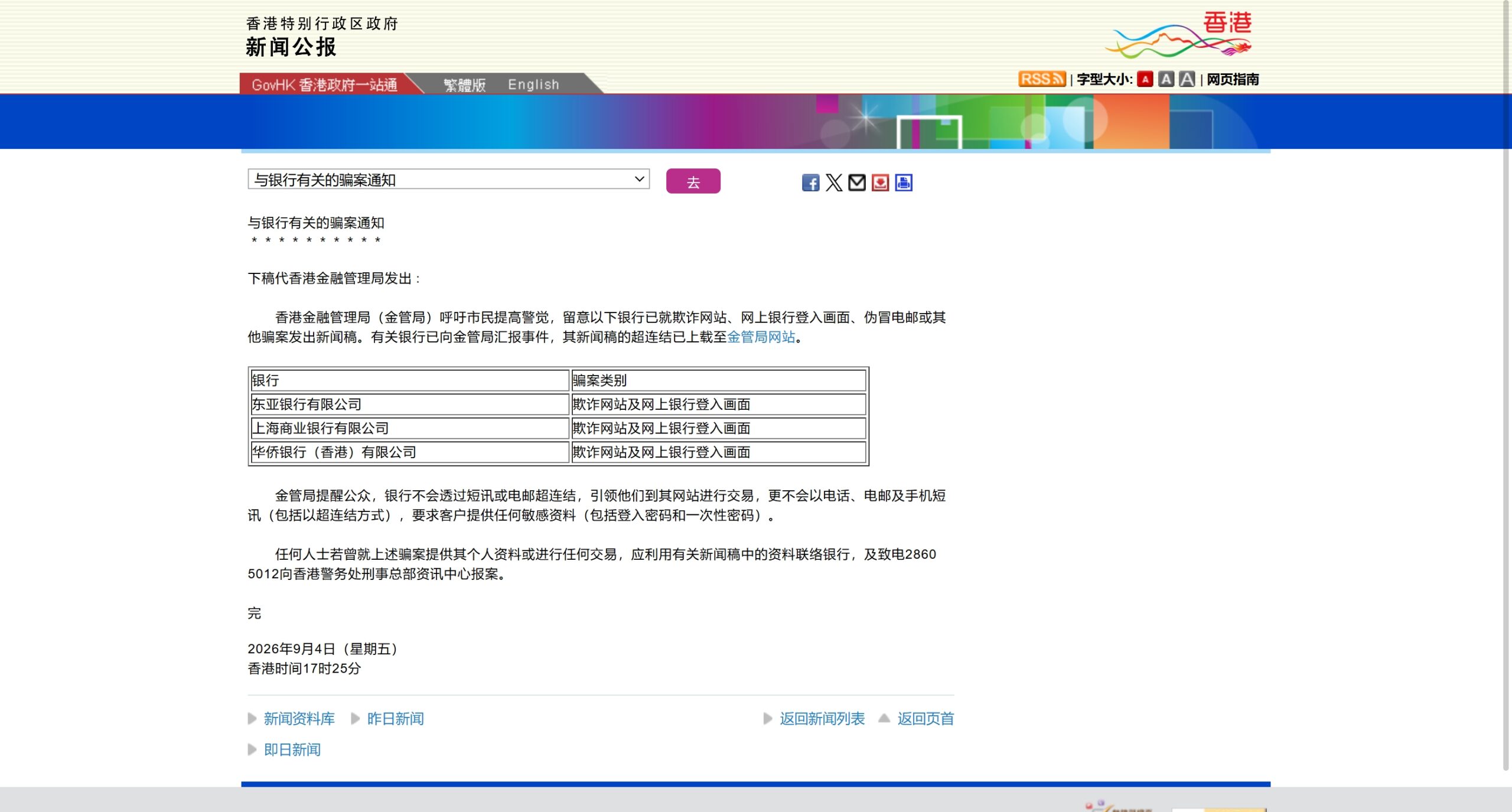
Cybersecurity Training Solutions for Hong Kong Financial Institutions (Banks, Securities Firms, and Insurance Companies). Designed to meet the compliance requirements of the Hong Kong Monetary Authority (HKMA) and the Securities and Futures Commission (SFC), these solutions help prevent Business Email Compromise (BEC), OTP phishing, and deepfake attacks. Utilizing KnowBe4’s automated simulation exercises, this solution establishes a human-factor risk management mechanism with a complete audit trail.

[Hongke Solutions] How Can Hong Kong Companies Prevent Phishing and Data Breaches? From Compliance Training to Employee Risk Management

The latest data from Hongke and the PCPD shows a sharp surge in phishing and data breaches in Hong Kong! Relying solely on rigid technical safeguards and annual training is no longer sufficient to prevent AI-powered social engineering. This article provides an in-depth analysis of how Hong Kong B2B enterprises can transition to “Human Risk Management,” effectively comply with the PDPO and financial regulatory requirements, and establish a zero-trust defense against human-related risks.

[Hongke Solutions] As Phishing Emails Become Increasingly Realistic, How Does KnowBe4 Help Businesses Maintain Email Security?

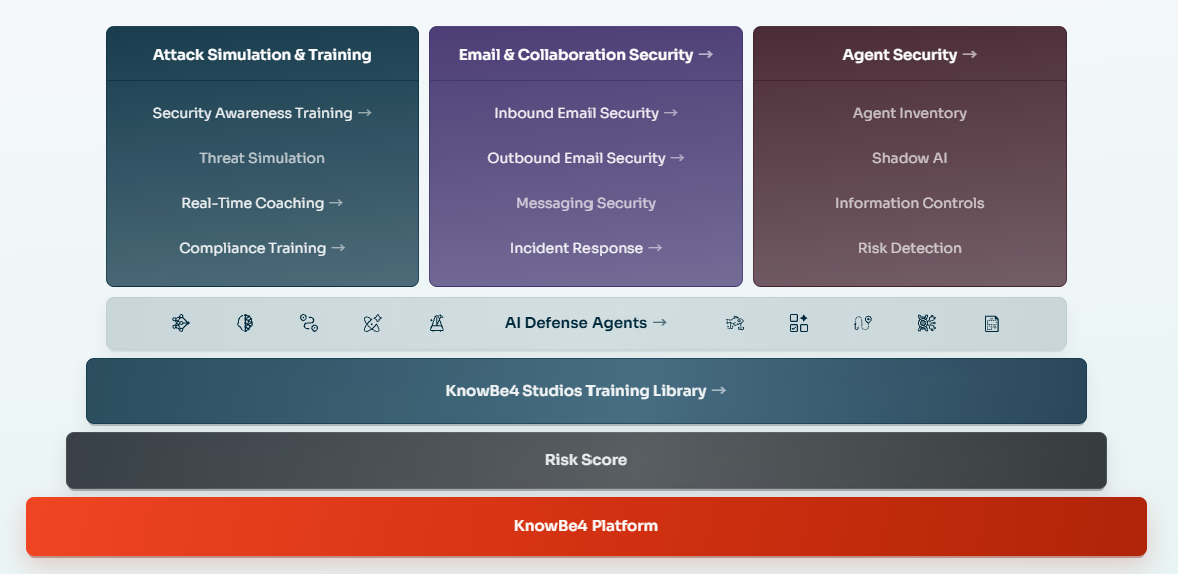
As AI-generated phishing emails become increasingly realistic, traditional email defenses are no longer sufficient. This article explains how KnowBe4 uses four key mechanisms—Defend, Prevent, cybersecurity awareness training, and HRM+—to turn employees into the strongest first line of defense and master email security best practices for 2026. KnowBe4 uses a four-tier defense system that integrates inbound detection, outbound control, and employee training to help organizations reduce email risks at their root.

[KnowBe4 Insights] 12-Hour Countdown: How Does KnowBe4 Turn Employees into Incident Early-Warning Radars?

Once the CISO regulations take effect, serious cybersecurity incidents must be reported within 12 hours, records must be submitted within 48 hours, and reports must be filed within 14 days. This article analyzes KnowBe4’s early warning mechanism, which uses automated workflows through PAB and PhishER to turn employees into cybersecurity early warning sensors, thereby shortening incident response times and meeting compliance requirements.

[Hongke Case Study] Servers Australia Implements KnowBe4 to Achieve a 90% Training Completion Rate

Servers Australia, an Australian cloud hosting provider, had previously been able to only reactively handle cybersecurity incidents, with high risks of internal threats and phishing attacks. After implementing the KnowBe4 cybersecurity awareness training platform, the company established a company-wide cybersecurity culture through simulated phishing tests, comprehensive training resources, and employee risk analysis. Training completion rates exceeded 90%, effectively reducing human-caused security vulnerabilities and shifting the team from reactive remediation to proactive defense against ransomware and social engineering threats.

[Hongke Insights] Plug the Gaps Before Deploying AI: Minimize Data Breach Risks with “Real-Time Monitoring + Access Control”​

As generative AI and AI agents are widely adopted in enterprises, behaviors such as prompt injection, over-agency, and unintentional data leaks by employees continue to amplify data leakage and compliance risks, creating an urgent need for proactive security solutions. This article leverages the Lepide Data Security Platform to build a comprehensive protection system centered on “pre-deployment governance + in-operation monitoring.” Through real-time sensitive data monitoring, fine-grained permission controls, end-to-end auditing, and automated incident response capabilities, it can integrate with SIEM and SOAR systems to form a closed-loop risk management system. The platform automatically consolidates excessive permissions, and abnormal behavior triggers rapid response measures such as account freezing and system isolation. This addresses the challenges of excessive AI permissions and confidential data leaks while meeting compliance requirements under regulations such as GDPR, thereby establishing a robust data security defense for enterprises implementing AI.

[Hongke News] Why Rule-Intensive Businesses Are Better Suited for Low-Code: Making Decision Logic “Configurable” Instead of “Hard-Coded”

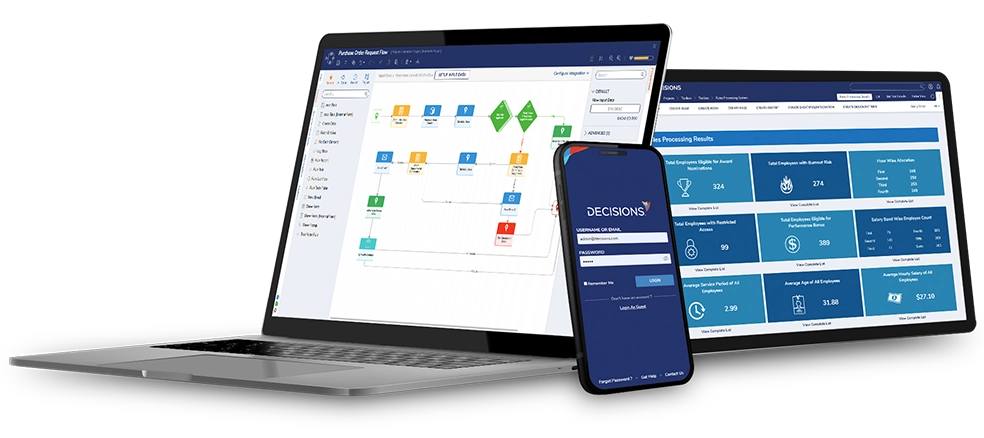
Many rule-intensive enterprises often face challenges during digital transformation, such as business rules being tightly coupled with underlying code, cumbersome tuning processes, and difficulties in unifying logic across systems. Low-code solutions can transform decision logic into visual configurations, shortening rule iteration cycles and clarifying the division of responsibilities between business and IT. The Decisions platform integrates a low-code environment with a rules engine to independently build a shared decision-making layer. It supports drag-and-drop rule management and cross-system integration and invocation, balancing operational flexibility with IT governance and regulatory requirements.

[Hongke Solutions] From Passive Defense to Proactive Prevention: Easily Handle Annual Risk Assessments and Security Audits with KnowBe4

Hong Kong’s “Protection of Critical Infrastructure (Computer Systems) Ordinance” requires companies to conduct annual cybersecurity risk assessments and complete independent audits every two years. However, most companies focus solely on technical vulnerabilities while overlooking human-related risks, which account for 80 percent of cybersecurity incidents. KnowBe4 quantifies employee risk through simulated phishing tests, establishes a dynamic risk scoring mechanism, comprehensively retains data on testing, training, and improvements, and enables one-click export of regulatory-grade reports, helping enterprises implement continuous risk management and easily navigate annual assessments and security audits.

HongKe Solutions] Observability Budget Busting: How Redis + Grafana Saved Hong Kong Banks $1.4 Million in 2 Years?

Hong Kong Bank, troubled by the high license cost of Dynatrace, adopted Redis+Grafana to build an open source observable architecture in accordance with the TM-E-1 regulatory standards of the Hong Kong Monetary Authority. By adopting a hierarchical strategy of APM for the core system and metrics monitoring for the rest of the services, the bank maintains 70% of the monitoring performance, saving US$1.4 million in monitoring expenses over two years, and the report data can also satisfy the monitoring requirements.

HongKeys Solution】Shenzhen-Hong Kong Data Channel Opening: How Redis Realizes "Sub-millisecond" Synchronization for Cross-border Settlement?

Specially designed for automotive electronics R&D! HongKe PSI5 simulator fully supports ECU simulation, Sensor test and HiL simulation, fully covering airbag and chassis control scenarios, effectively shortening the development cycle of 30%. View B2B professional test solutions now!

Contact Hongke to help you solve your problems.

Let's have a chat