
Search

Hongke's latest articles

HongKe

Lorem ipsum dolor sit amet, consectetur adipiscing elit. Ut elit tellus, luctus nec ullamcorper mattis, pulvinar dapibus leo.

AI Recognition Meets AR Workflow: PCB Quality Control Welcomes a New "Golden Era

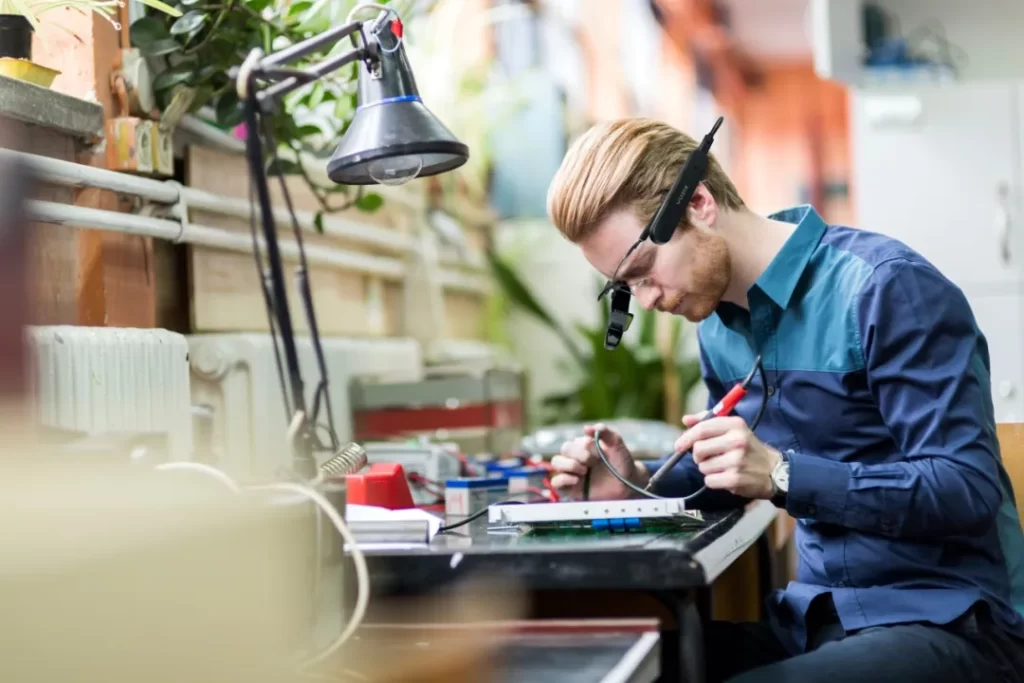
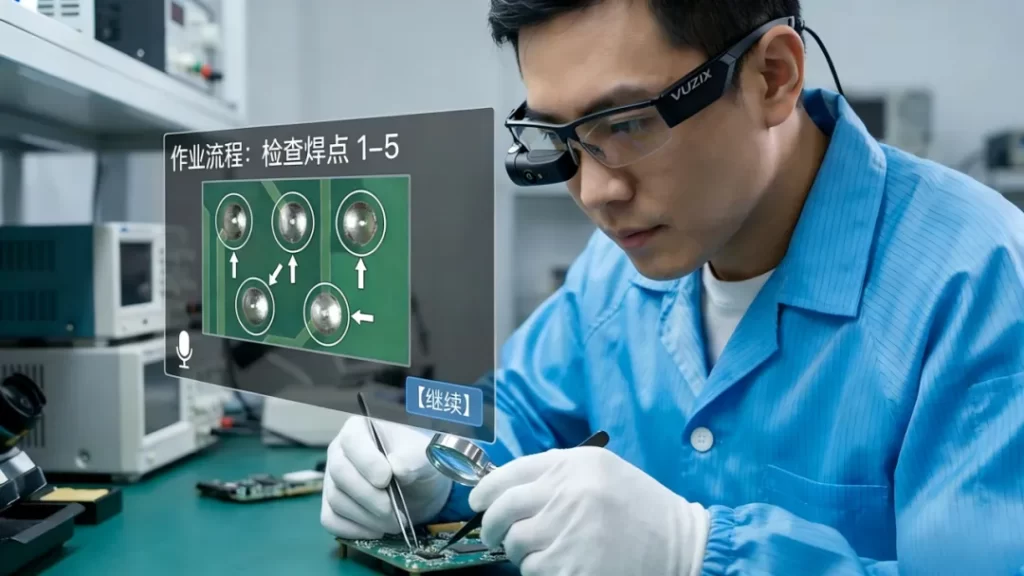
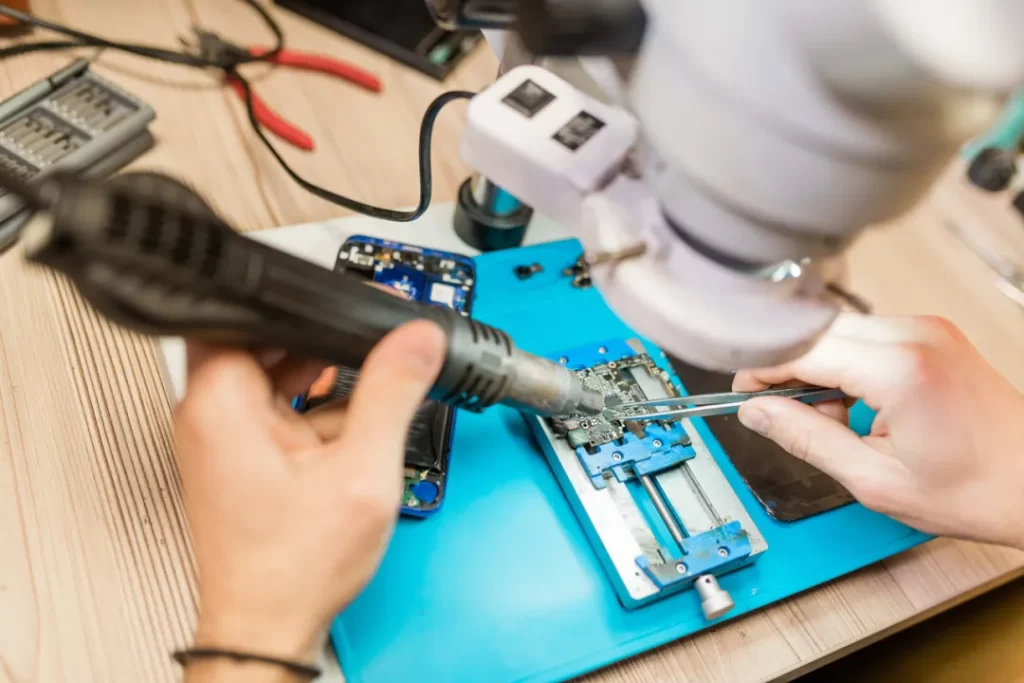
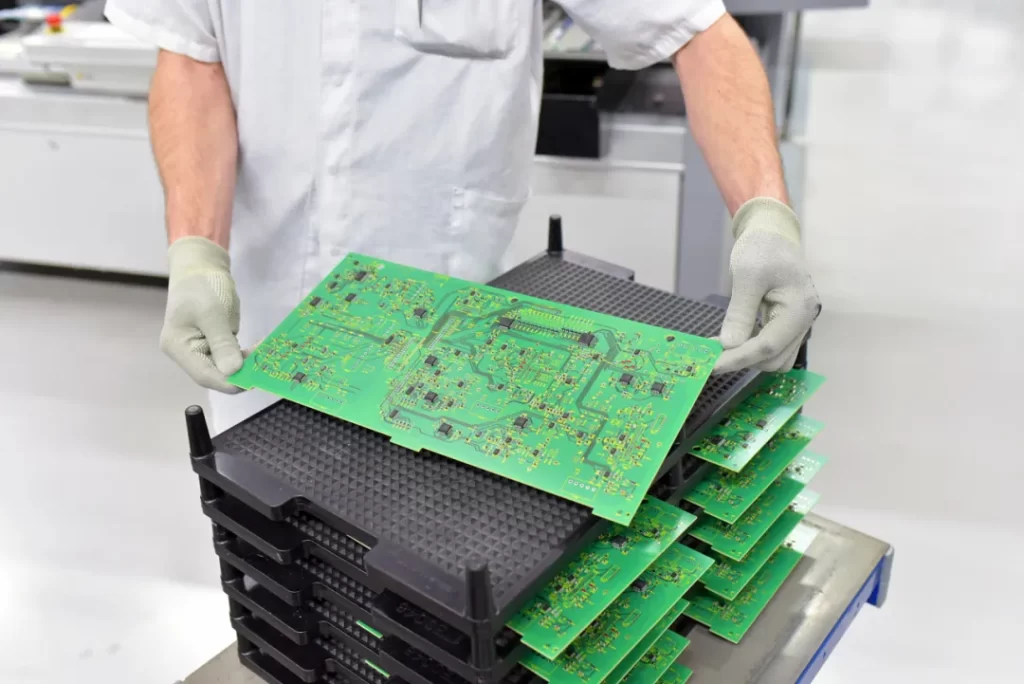
When the line operator puts on the AR Smart GlassesIt's complicated. PCB Inspection Flow The visual presentation of "step-by-step, structured and standardized" was realized in front of our eyes - from experience-oriented operation toNumerical WorkflowThe transformation is becomingElectronics ManufacturingA key breakthrough in transformation and upgrading.

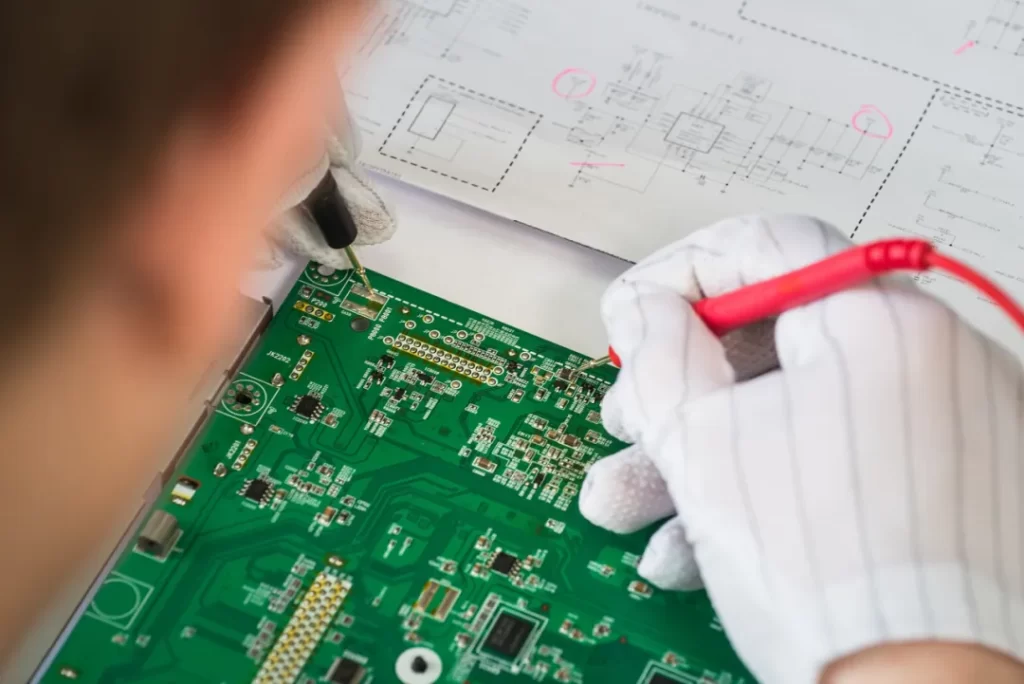
Highly dependent onManual Visual Inspection (used form a nominal expression) PCB IndustryThe differences in operating levels and process inconsistencies have long been a constraint.Product YieldAnd based on the And based on AR Standardized Workflow + AI Intelligent Recognition Innovative applications are helping all workstations to achieve "Accurate Execution without Discrepancies".

Cracking the dilemma of manual quality control: let the standardization of operation as on-site

Seamless multi-station coordination

In the traditional inspection mode, the operator has to change the work order frequently,SOP (Standard Operating Procedures) This is not only distracting but also prone to bias in understanding. AR Eyewear Depth of fit MES (Manufacturing Execution System),ERP up to AOI (Automatic Optical Inspection) Data that will:

  • Checklist
  • Inspection Procedure
  • Core Checkpoints
  • Defect Example Gallery
  • Labeling Requirements
  • Points of Attention

It is projected in the field of view of the operator in the form of an interface card, so that the operator can complete the whole process of "Inspection → Confirmation → Labeling → Recording" according to the prompts without having to look down to check the data.

Workflow Guidelines + First View Interaction

  • Standardized Step-by-Step Tips: AR goggles pop up the inspection actions (e.g., "check solder joints 1-5," "verify capacitor polarity," "check barcode," etc.) in a sequential order to ensure that the operator performs them in a strict manner and does not miss anything.
  • AI Recognition Box Highlighting: The system recognizes in real time through the camera. PCB Front and BackThe following are some of the areas that can be automatically selected for inspection (e.g. BGA Packaging AreaThe system is designed to provide a clearer picture of the situation (e.g., small pin IC area, dense pad area), and suggest potential anomalies, realizing "instant understanding at a glance".
  • First View Operational VerificationThe AR goggles track the entire operation process, providing real-time alerts on whether key checkpoints are completed and whether the labeling position has deviated - this is a practicable technological solution, not an illusory holographic overlay.

This approach dramatically reduces the risk of "looking at the wrong point" and "missing the check", and transforms empirical operations into replicable ones.Standardized ProcessesThe

Three core application scenarios

Production Workstations: Upgrading Inspection Capabilities

exist PCB Visual Inspection The AR workflow empowers the operator:

  • Inspect high-risk areas on a case-by-case basis according to system prompts.
  • Precise double-checking against suspected defects identified by AI.
  • Follow the guidelines to complete the material barcode verification and labeling position confirmation.

Measured data show that::

  • Reduced visual leakage rate 50%+
  • Improved consistency in multi-station inspection 40%
  • Shorten the training start-up time for new staff from 5-7 days to 1-2 days

Feedback from multiple electronics manufacturersThe output is now stable and standardized for novices in a job that used to be performed only by experienced quality inspectors.

Craft / Quality Departments: Enhancing Collaboration Efficiency

AR is not just an "action reminder tool", it is a professionalProcess Management Platform::

  • SOP changes can be "one-click" distributed to all AR devices.
  • Each test action is automatically recorded, which facilitates the subsequent auditing andQuality TraceabilityThe
  • AI automatically summarizes defect assignments to provide engineers withCraftsmanship ImprovementDepends.

Typical Results::

  • Reduced time for craft promotion 60%
  • Reduction of quality control variance judgment 35%
  • Improvement of production line abnormality localization efficiency 2-3 times

Customer Side: Improving Delivery Quality

Stable detection accuracy means:

  • Rework Rate decreased.
  • Reduced risk of defective product outflow.
  • AgainstVehicle Class,MedicalWe are also able to provide our customers with a more competitive edge in the marketplace, such as demanding customers.

importHOSCOAs a result of the program, the customer's quarterly rework rate for a single production line dropped by 0.8 percentage points, significantly improving the overall yield rate.

III. Future outlook

As AR goggle display, recognition and interaction technologies continue to be upgraded.PCB Quality Inspection Process will move towards a smarter model:

  • AI automatically recognizes more diverse types of blemishes.
  • Automatically compare silkscreen, barcode and material number to reduce manual checking.
  • Intelligent adjustment of inspection steps based on historical defect records.
  • Automatically generates and updates SOPs to realize real-time adaptation with process changes.

For those who are committed to advancingDigital Transformation The introduction of AR Standardized Workflow + AI Real-Time RecognitionThis will not only solve the current bottleneck of manual quality control, but will also enable the future to be more efficient.Quality ControlThe ability to form long-term competitive barriers. When a pair of glasses can make all operators feel like "experts", quality consistency is truly "stable, accurate and fast".

Other Articles

Hongke Dry Goods

[Hongke Solutions] Human-Factors Risk Management in Cybersecurity: Case Studies and KnowBe4 Best Practices

Faced with human-related cybersecurity risks, how can enterprises effectively prevent data breaches? This article provides an in-depth analysis of the latest enforcement cases, covering vulnerabilities in public code repositories, data APIs, and malicious activities by former employees. By combining Hongke’s KnowBe4 phishing simulations, AIDA real-time coaching, and compliance requirements, we help Hong Kong enterprises build a robust defense system that integrates technology, policies, and personnel.


Read more
虹科 aiSim 智駕仿真平台軟體介面:支援 OpenDRIVE 與 Atlas 地圖格式轉換及非結構化道路場景編輯
Hongke Case

[Hongke Solutions] aiSim Intelligent Driving Simulation: A Comprehensive Guide to Unstructured Road Testing

An In-Depth Analysis of How Autonomous Driving Simulation Solves the Challenges of Unstructured Road Testing! Hongke’s aiSim solution integrates OpenDRIVE-to-Atlas map conversion and utilizes Unreal Editor and Blender to create high-fidelity terrain and road surface models, providing vehicle dynamics feedback and closed-loop testing of physical sensors to comprehensively accelerate the validation of Level 3 and Level 4 autonomous driving algorithms. Learn more about efficient scene construction now!

Read more
Hongke Dry Goods

[Hongke Solutions] Does AI Struggle to Understand Business Needs? Overcoming AI Context Disconnects and Real-Time Data Bottlenecks in Enterprises

Failed Enterprise AI Implementation? The Problem Isn’t the LLM Model! Hongke analyzes the devastating impact of the “Enterprise AI Context Gap” on Copilot and Agentic workflows and introduces the Redis Iris real-time context layer architecture to help B2B enterprises in Hong Kong and Southeast Asia build high-return AI systems.

Read more

Contact Hongke to help you solve your problems.

Let's have a chat